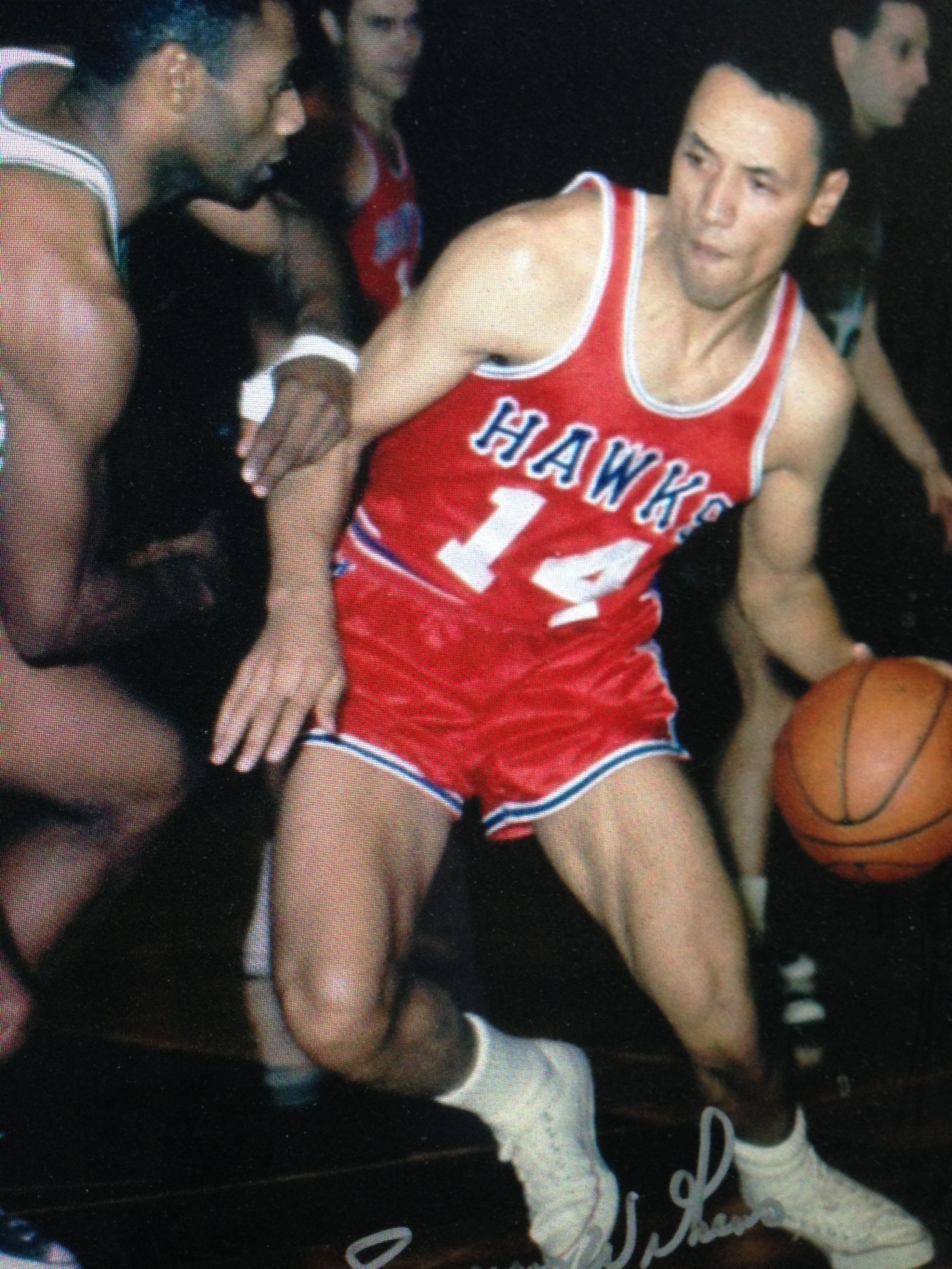
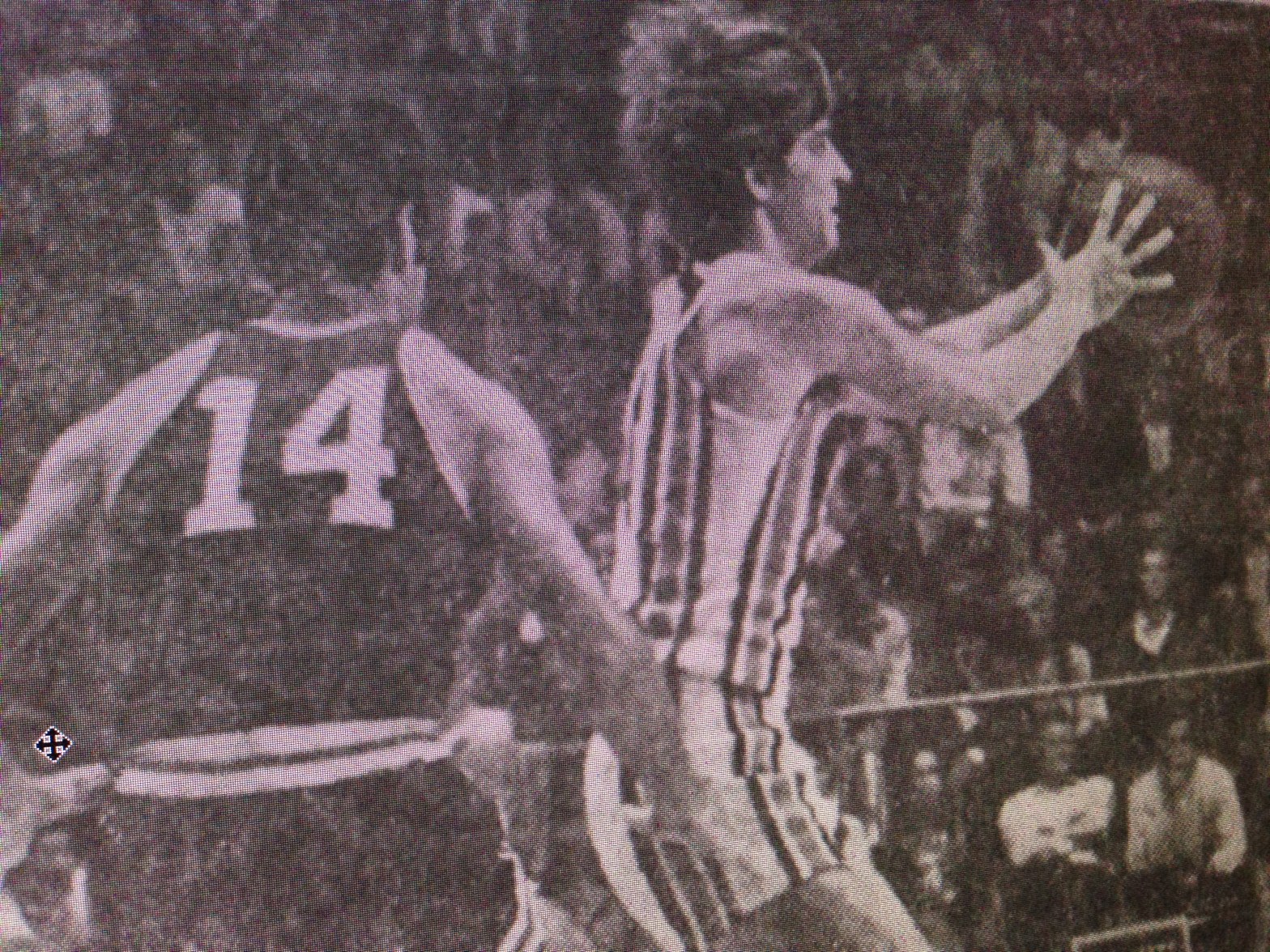
Anyone remember watching the great Lenny Wilkens play? Here’s NBA legend Archie Clark on the challenges of guarding then-number 14 in a red St. Louis Hawks jersey.
Author Archives: bobkuska
Pete Maravich: The Battle to Earn the Pros’ Respect
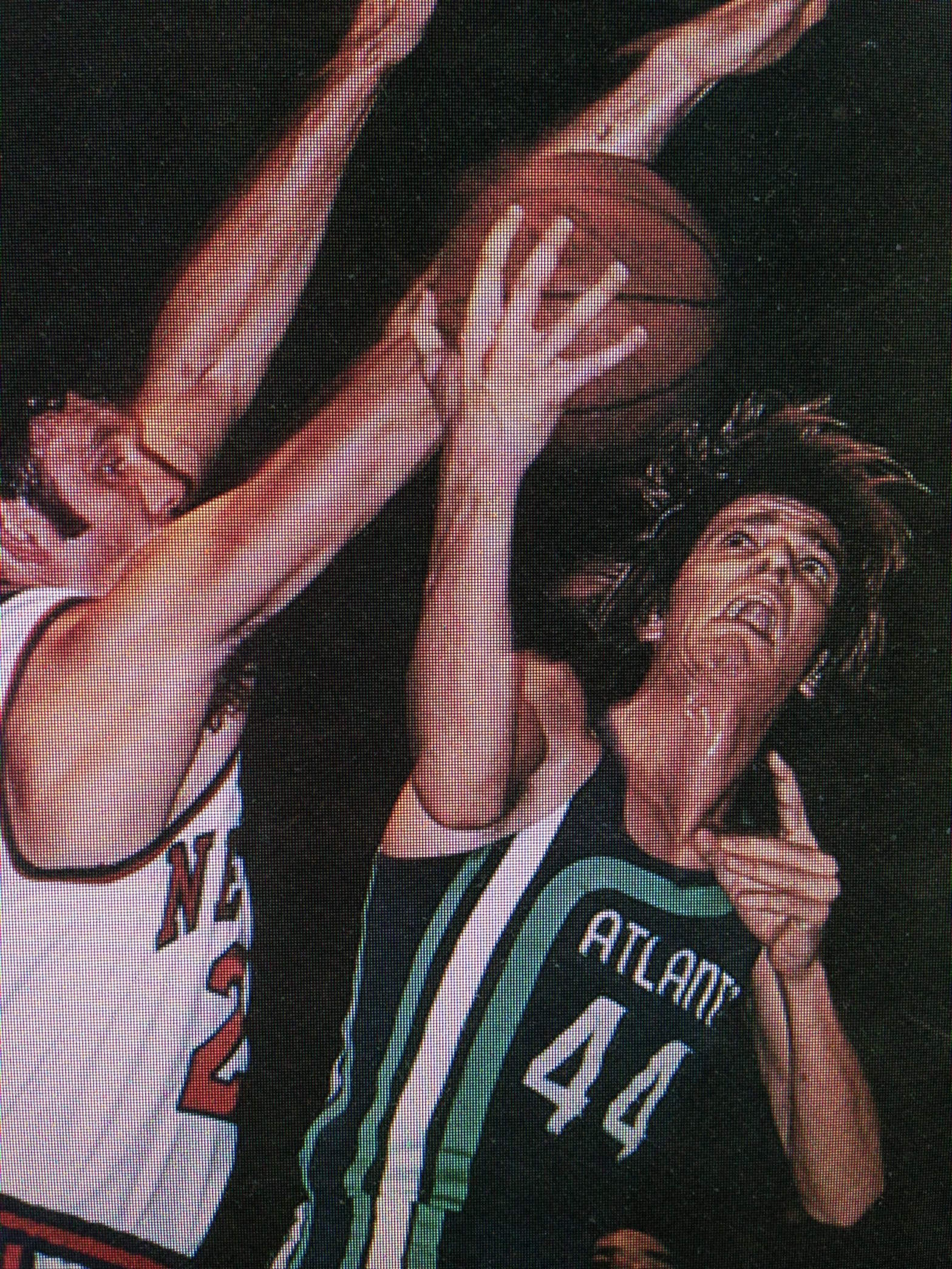
“I’ve always coped with pressure,” he was saying. “My Dad taught me a lot. He always told me, “Never get bigger than the game of basketball.” So I try to keep my cool and be nice to everybody.”
Pete Maravich and Some Wild Fruit Salad
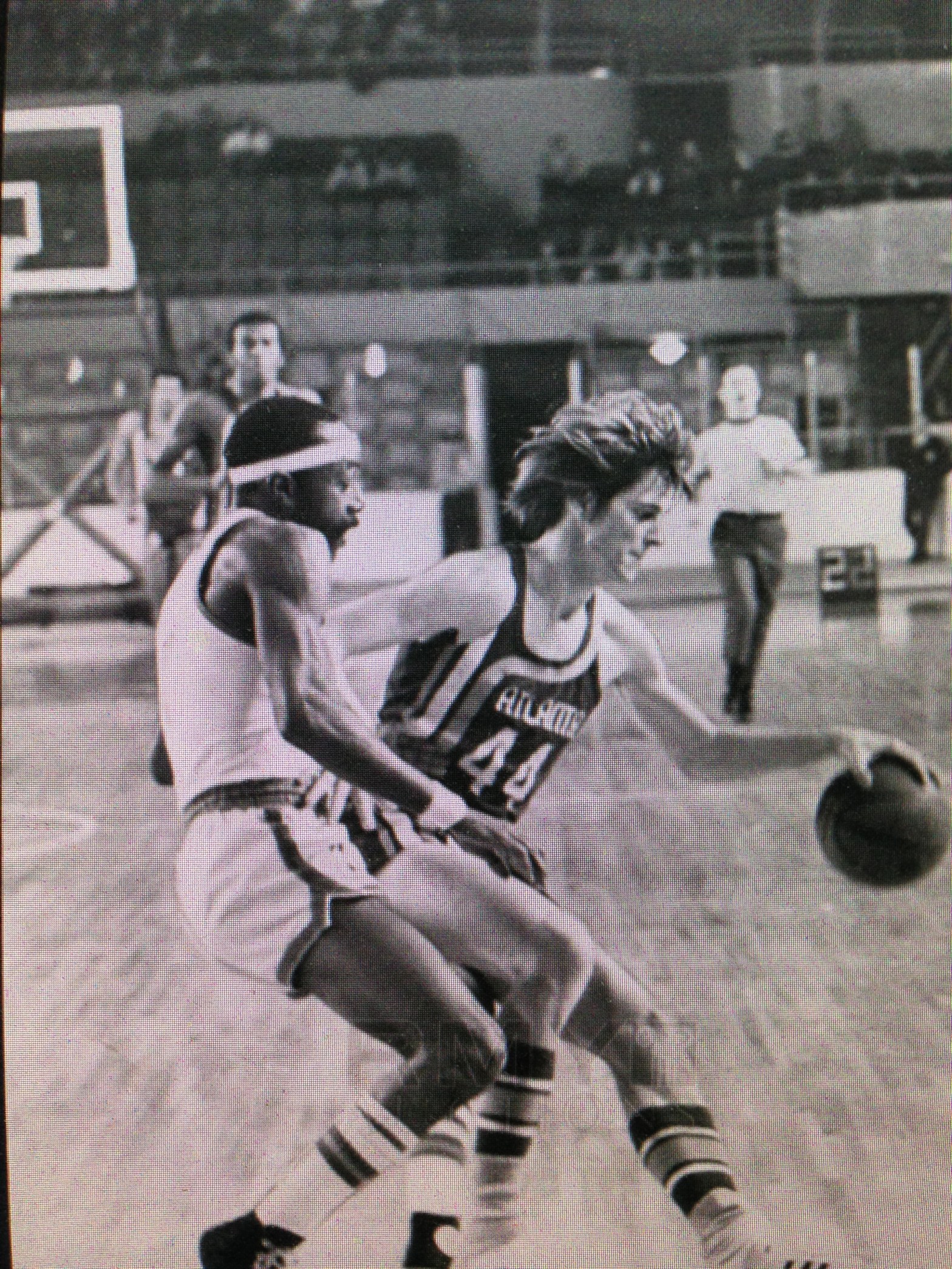
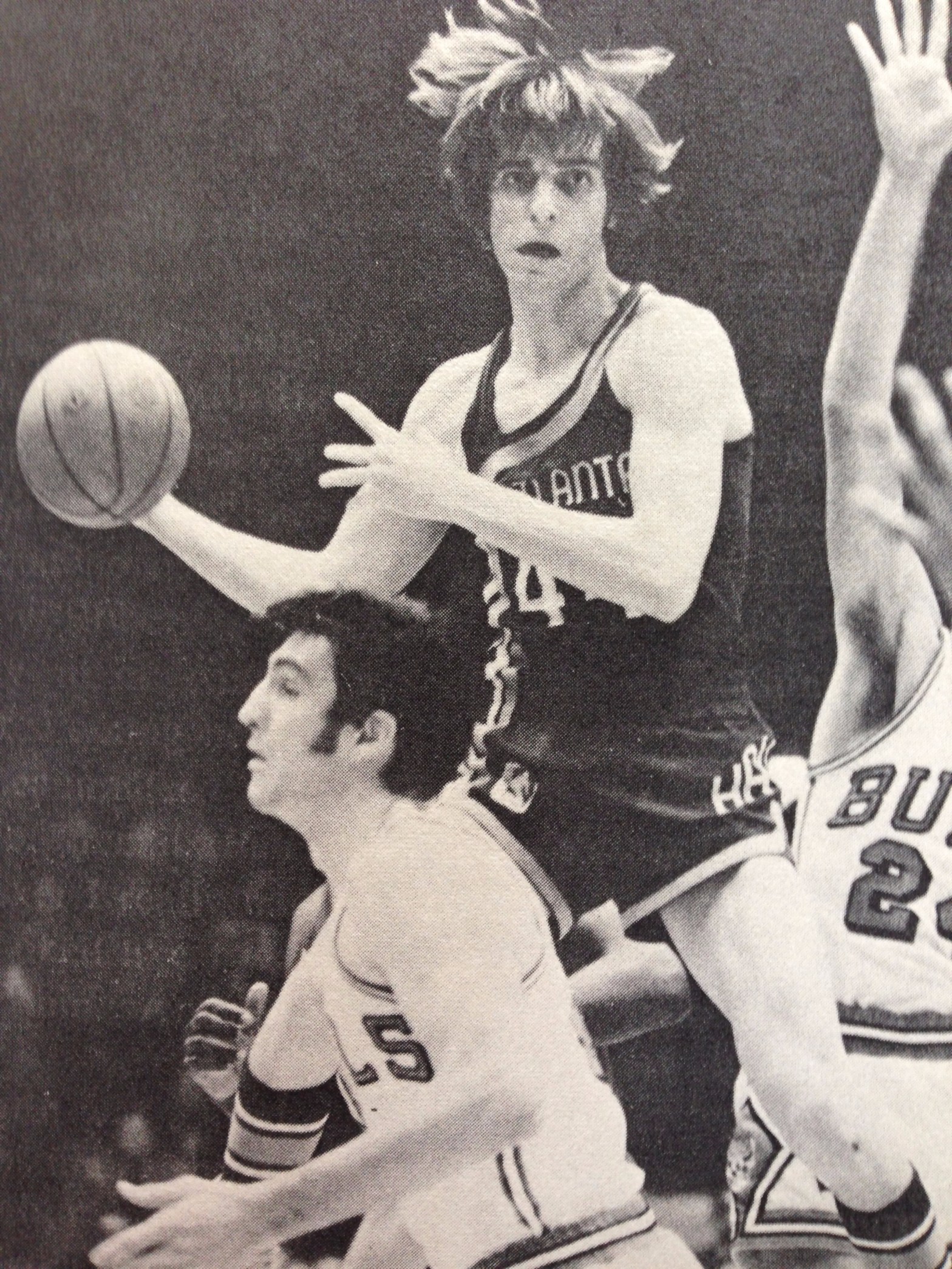
They’re dressed up like some wild fruit salad, but don’t let the uniform fool you. The Atlanta Hawks are more swat than swish.
The Pistol and The Pressure

Pete Maravich, uptight but still able to laugh at himself, admits that unless he calms down soon, “I may have to get my stomach pumped out before games, same as I get my ankles taped.”
The Ballad of Pete Maravich
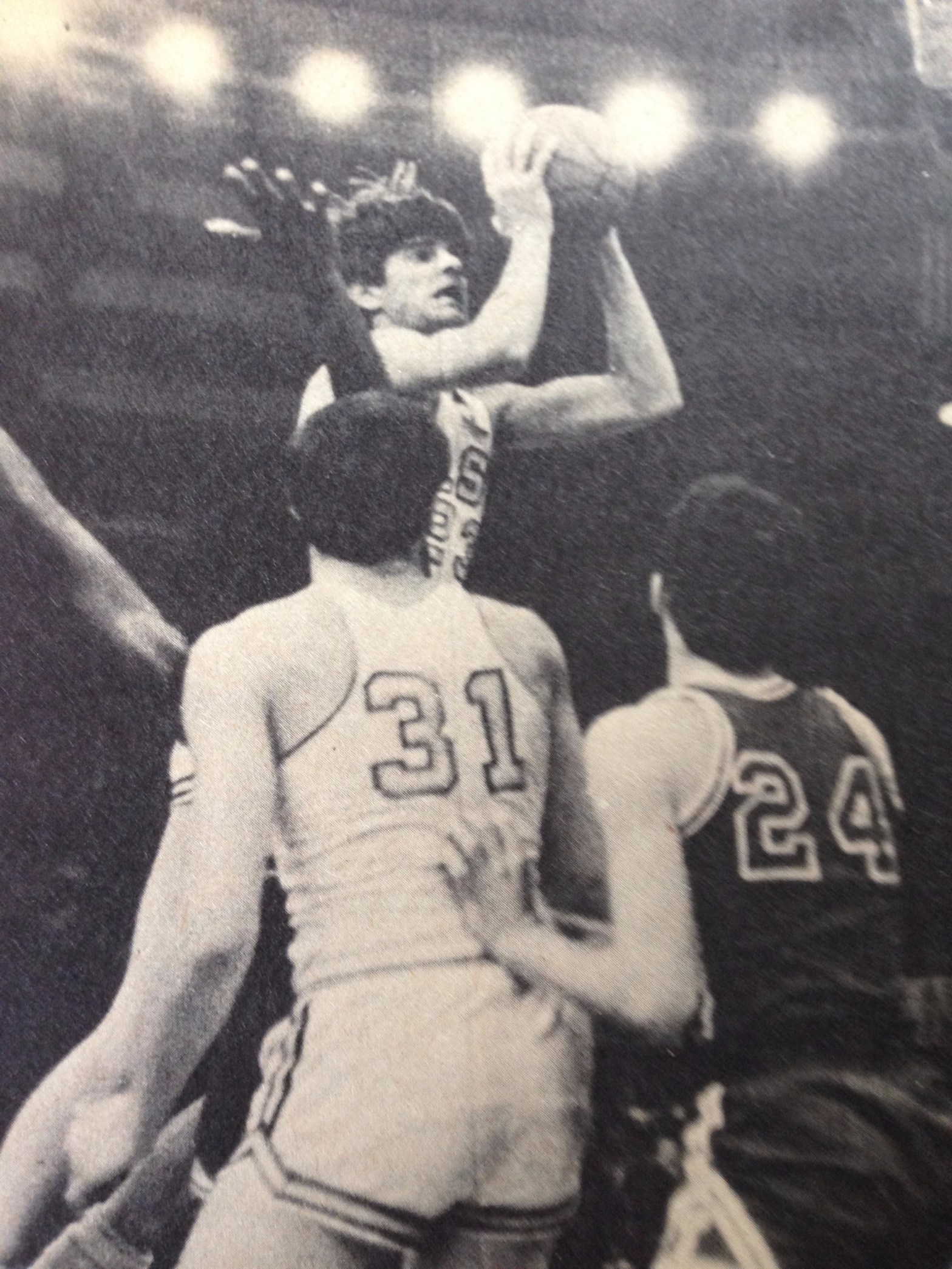
Maravich, oh Maravich, Love to fake, love to score, Love to hear the people’s roar.
Pistol Pete’s Pro Debut
On Saturday, October 17, 1970, the “New” Atlanta Hawks opened the NBA season at home against the Milwaukee Bucks. The game brought the much-anticipated pro debut of Pistol Pete Maravich. ABC’s popular “Wide World of Sports” broadcast the event live across the country. But viewers wouldn’t need to flip on their television sets promptly atContinue reading “Pistol Pete’s Pro Debut”
The Exhibition Blues
Though Maravich started out well, “a rumbling” soon caught his attention. “The rumbling started subtly. A rumor circulated that the rookies as well as the veterans would be out to work me over on the court and make me earn my salary the hard way.
Will Pete Maravich Change the Pro Game—Or Will the Game Change Him?

In place of the 1965 Volkswagen he used to get around in, Pete Maravich now drives a 1970 Plymouth GTX with $2,000 worth of accessories including a five-speaker stereo and telephone. A telephone? “Well,” says the LSU All-American who signed a record $1,600,000, five-year contract with the NBA Atlanta Hawks last March, “I wouldn’t need one in Baton Rouge. But Atlanta is much larger.”
What Maravich Means to Hawks
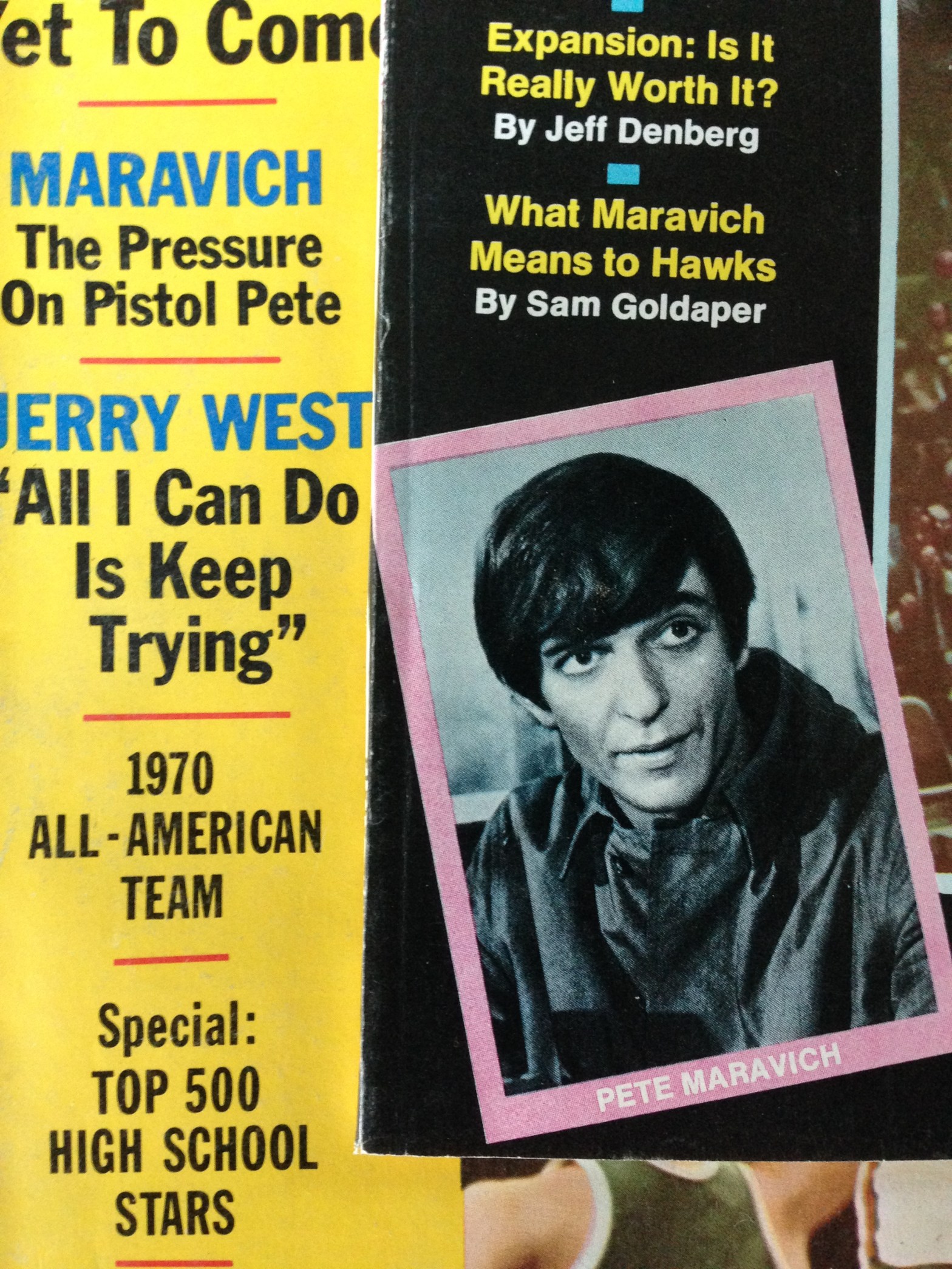
The last blog post mentioned that many NBA general managers in 1970 were wary of exercising their Second Amendment rights: they didn’t want to own The Pistol, as in LSU star and soon NBA draft choice Pete Maravich.
The Pressure on Pistol Pete
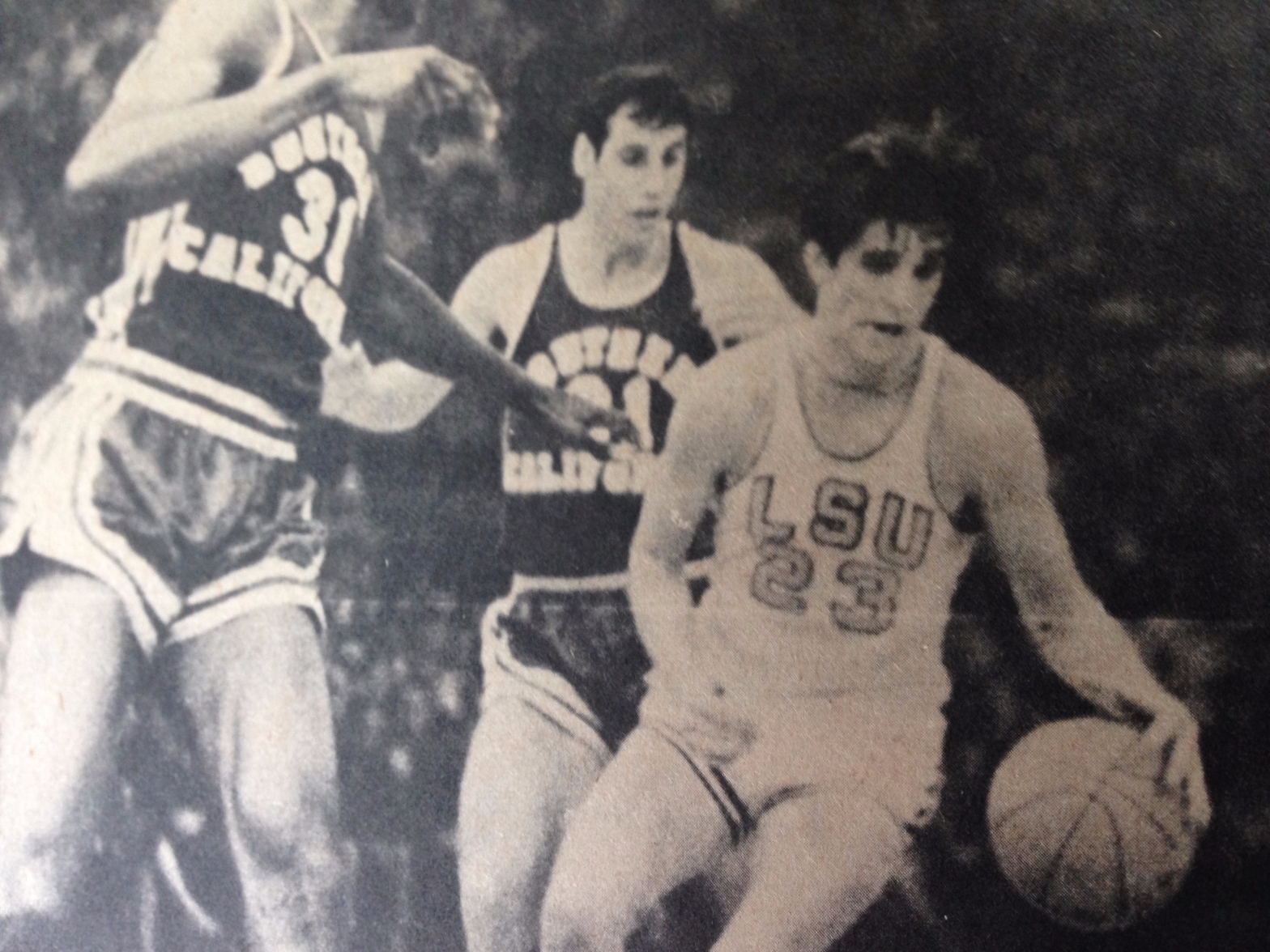
Today, Pete Maravich is remembered as one of the iconic NBA figures of the 1970s. Less well known is that Maravich entered the 1970 NBA draft as the college superstar whom nobody wanted. For most NBA general managers, drafting Maravich seemed about as dangerous as volunteering to stand blindfolded before a firing squad. The danger came not from Pistol Pete. He was considered a good kid. It was the double-barreled barrage of attention behind him that would be unsurvivable.
 From Way Downtown