
Pete Maravich, uptight but still able to laugh at himself, admits that unless he calms down soon, “I may have to get my stomach pumped out before games, same as I get my ankles taped.”
Category Archives: Uncategorized
The Ballad of Pete Maravich
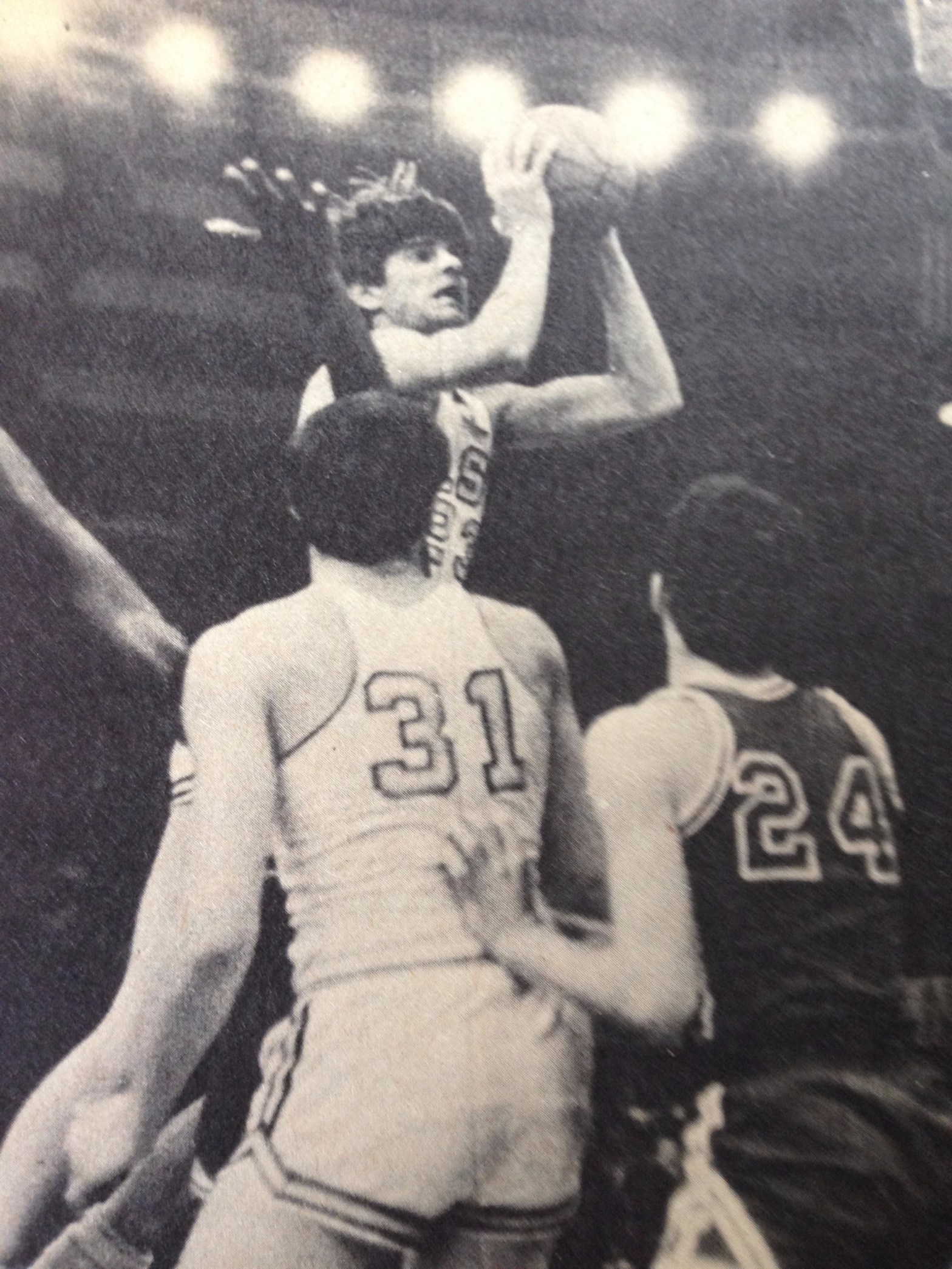
Maravich, oh Maravich, Love to fake, love to score, Love to hear the people’s roar.
Pistol Pete’s Pro Debut
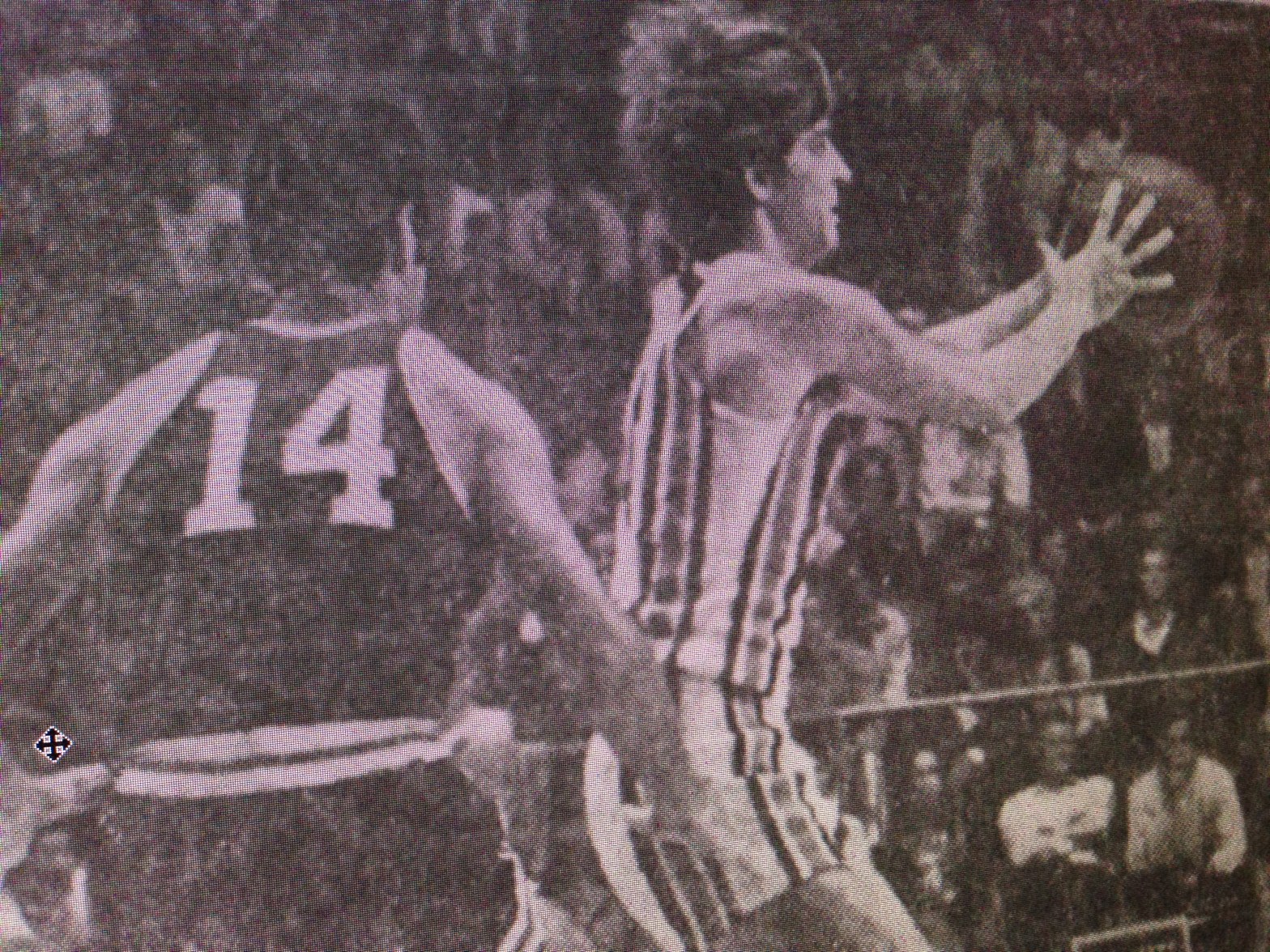
On Saturday, October 17, 1970, the “New” Atlanta Hawks opened the NBA season at home against the Milwaukee Bucks. The game brought the much-anticipated pro debut of Pistol Pete Maravich. ABC’s popular “Wide World of Sports” broadcast the event live across the country. But viewers wouldn’t need to flip on their television sets promptly atContinue reading “Pistol Pete’s Pro Debut”
The Exhibition Blues
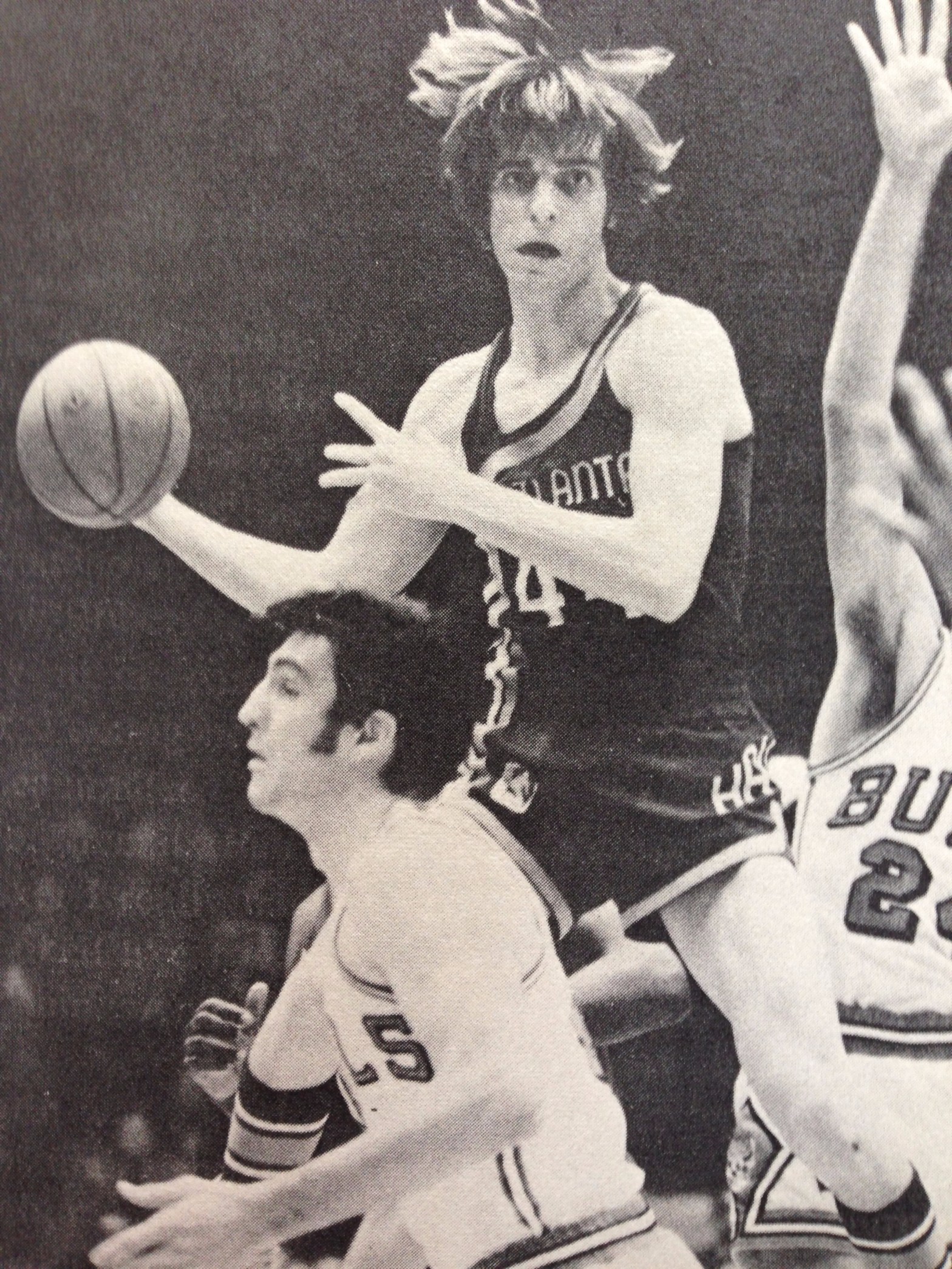
Though Maravich started out well, “a rumbling” soon caught his attention. “The rumbling started subtly. A rumor circulated that the rookies as well as the veterans would be out to work me over on the court and make me earn my salary the hard way.
Will Pete Maravich Change the Pro Game—Or Will the Game Change Him?

In place of the 1965 Volkswagen he used to get around in, Pete Maravich now drives a 1970 Plymouth GTX with $2,000 worth of accessories including a five-speaker stereo and telephone. A telephone? “Well,” says the LSU All-American who signed a record $1,600,000, five-year contract with the NBA Atlanta Hawks last March, “I wouldn’t need one in Baton Rouge. But Atlanta is much larger.”
What Maravich Means to Hawks
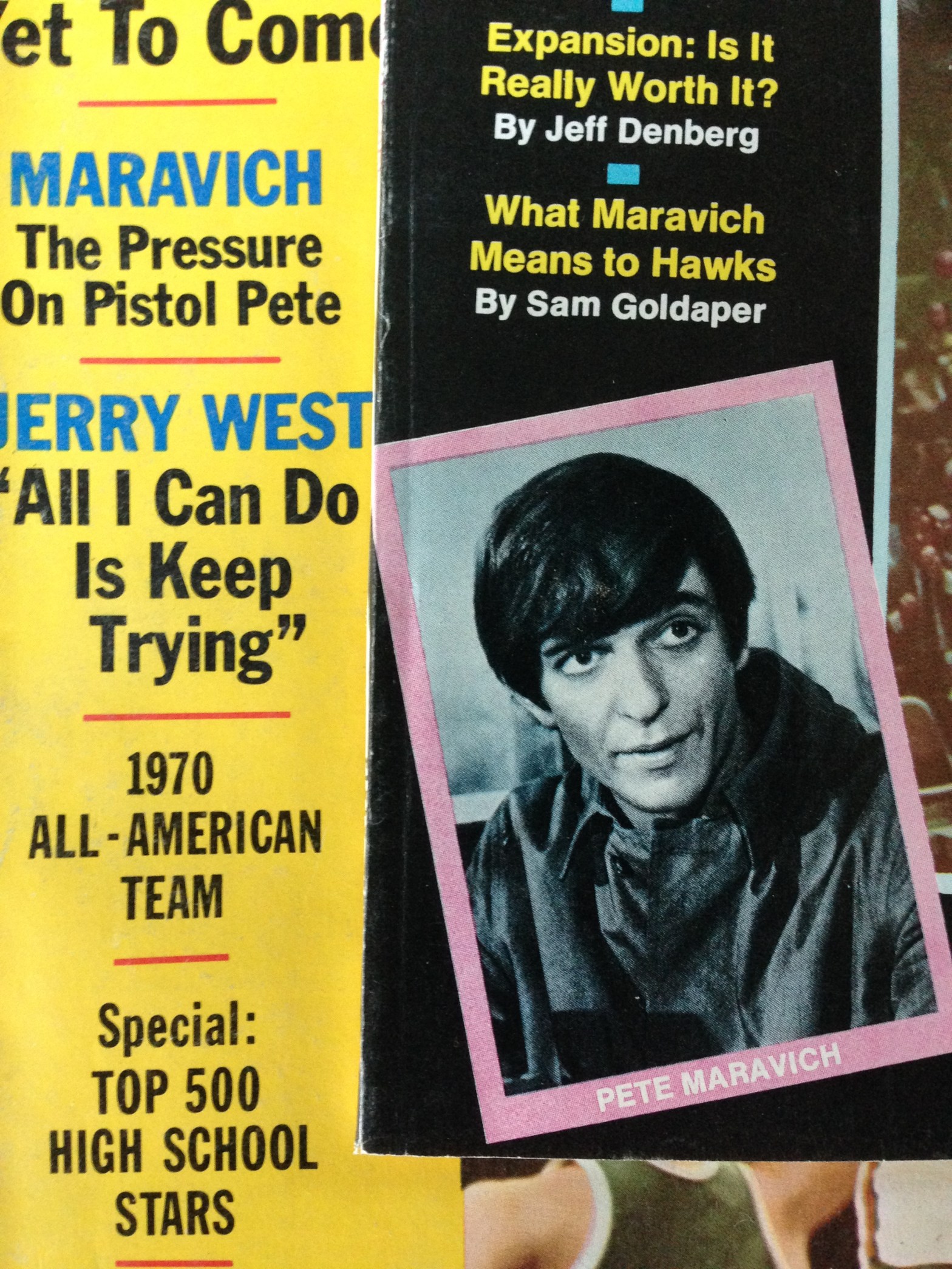
The last blog post mentioned that many NBA general managers in 1970 were wary of exercising their Second Amendment rights: they didn’t want to own The Pistol, as in LSU star and soon NBA draft choice Pete Maravich.
The Pressure on Pistol Pete
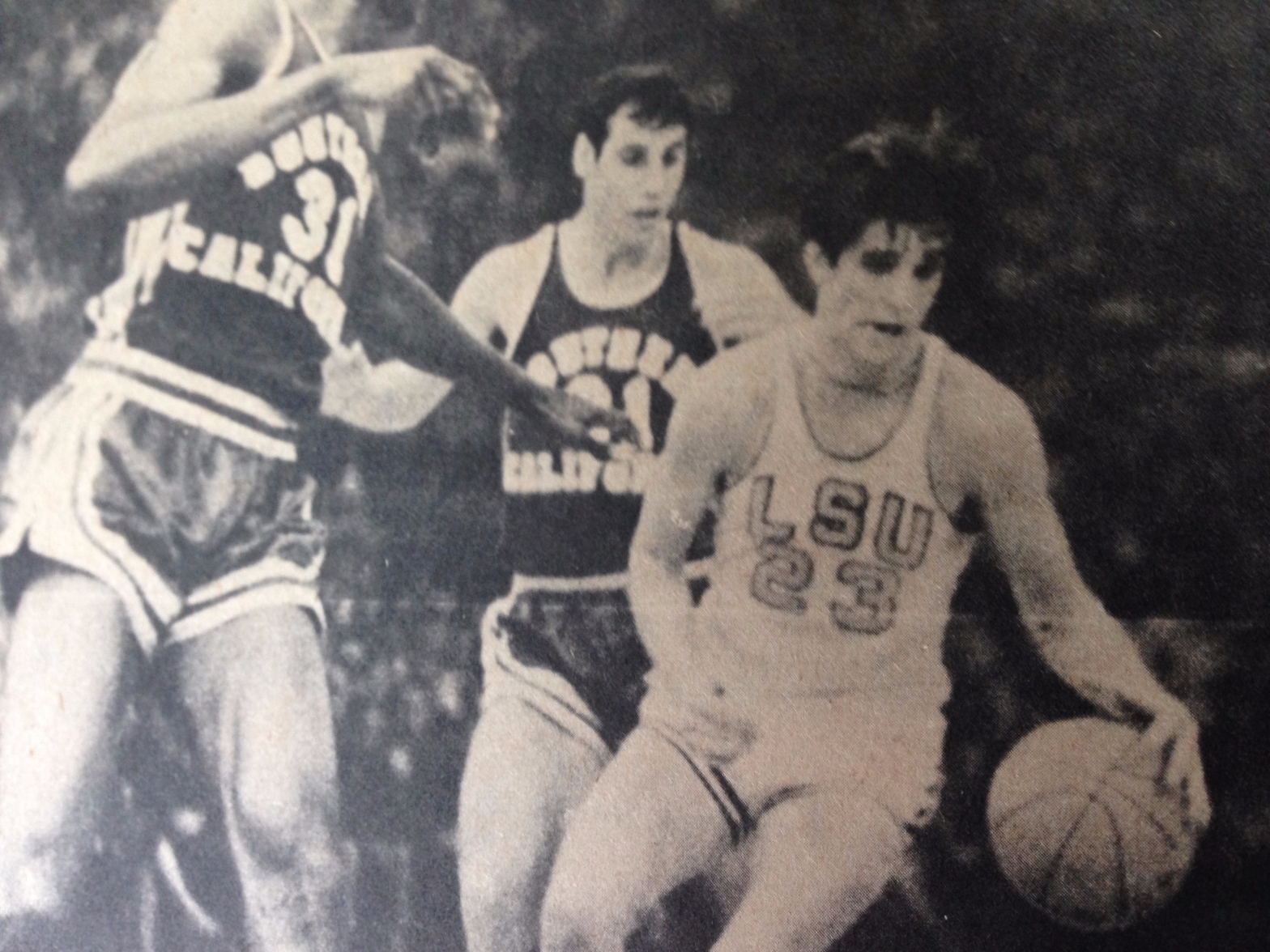
Today, Pete Maravich is remembered as one of the iconic NBA figures of the 1970s. Less well known is that Maravich entered the 1970 NBA draft as the college superstar whom nobody wanted. For most NBA general managers, drafting Maravich seemed about as dangerous as volunteering to stand blindfolded before a firing squad. The danger came not from Pistol Pete. He was considered a good kid. It was the double-barreled barrage of attention behind him that would be unsurvivable.
Pearl Time
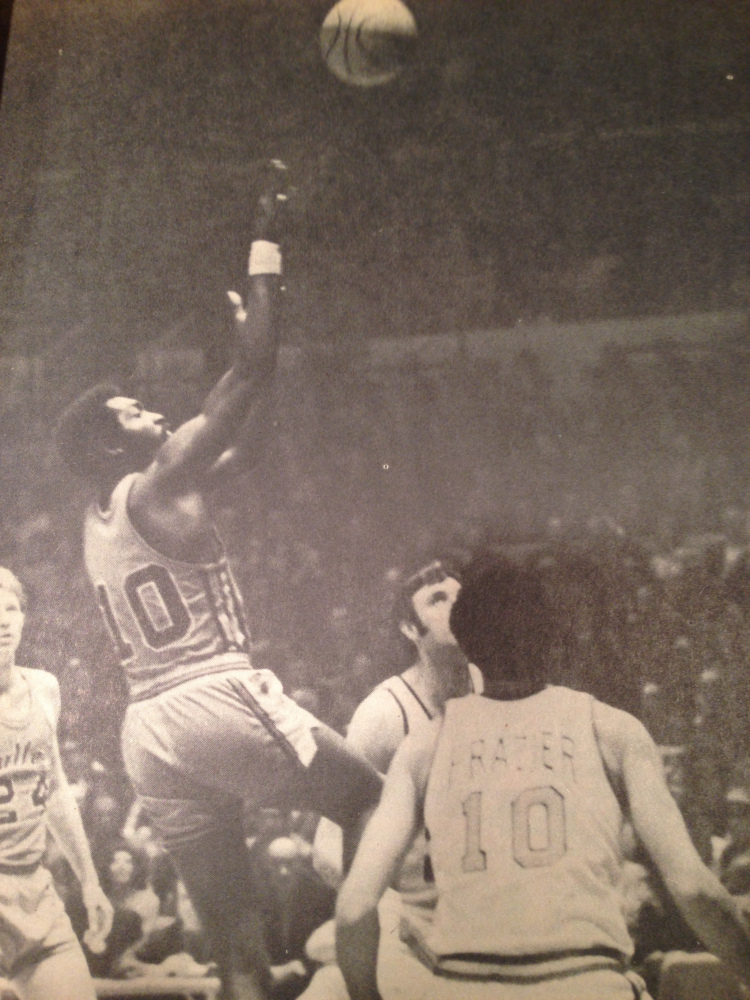
Time for a quick Earl Monroe story. This one comes from the magazine Pro Basketball Special (1971-72) and an article titled “Ordeal of the Playoffs,” by the late-great Phil Pepe. The article begins with a quote from Bill Russell that goes like this, “When the playoffs come and the pressure is the greatest, you’ve got to look at yourself in the mirror and ask yourself what kind of a man you are, what are you really made of?” Pepe takes Russel’s quote and writes, “Things happen in the playoffs, strange and eerie things. It is a time when the unusual is the norm, the extraordinary is commonplace. And only the stoutest of heart come through under the pressure of the playoffs.” Pepe goes on to retell this unusual “loss of cool” during the 1970 NBA Eastern Division semifinals pitting the soon-to-be champion New York Knicks against Monroe’s Baltimore Bullets.
Wilt, February 1967
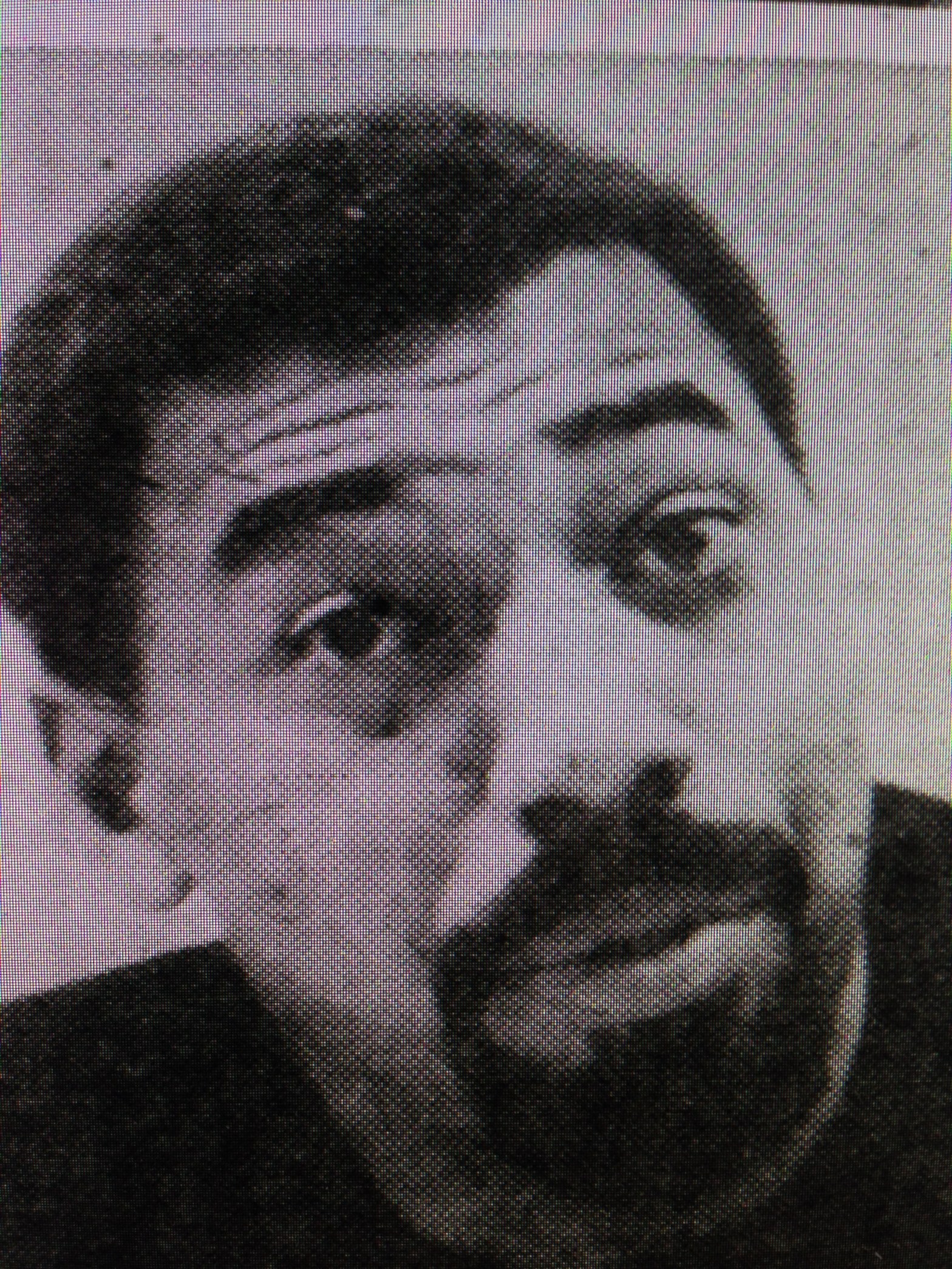
By February 1967, Wilt Chamberlain and the Philadelphia 76ers were on their way to notching a historic 68-13 regular-season record. With Bill Russell and the Boston Celtics struggling to find their rhythm, NBA arenas began asking the inevitable: Were the 76ers destined to become the league’s next great dynasty? “I really can’t say,” answered Wilt, also hoping to avoid comment on the recent whispers and winks making their way down Philadelphia’s Broad Street. Some considered “in the know” claimed that Philadelphia’s seven-foot wonder was preparing to jump to the brand-new American Basketball Association.
The ABA’s First Organizational Meeting
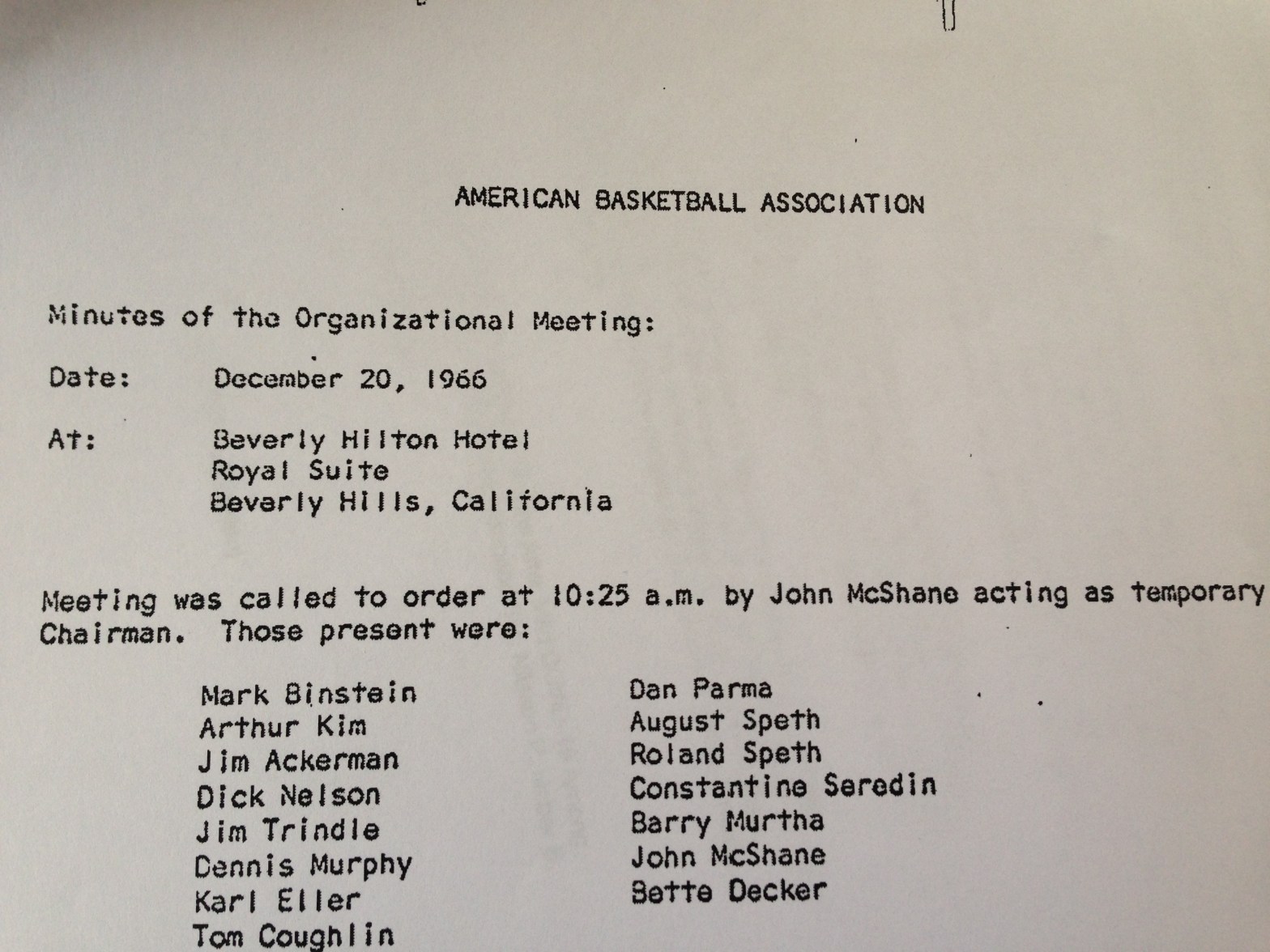
While working on my latest book Shake and Bake, I interviewed Joe Geary, the now-late former minority owner of the ABA Dallas Chaparrals. Geary mentioned that, in preparation for the interview, he’d pulled his ABA file. “You still have an ABA file?” I asked. “Why yes,” he answered, “I was the league secretary for several years.”
 From Way Downtown