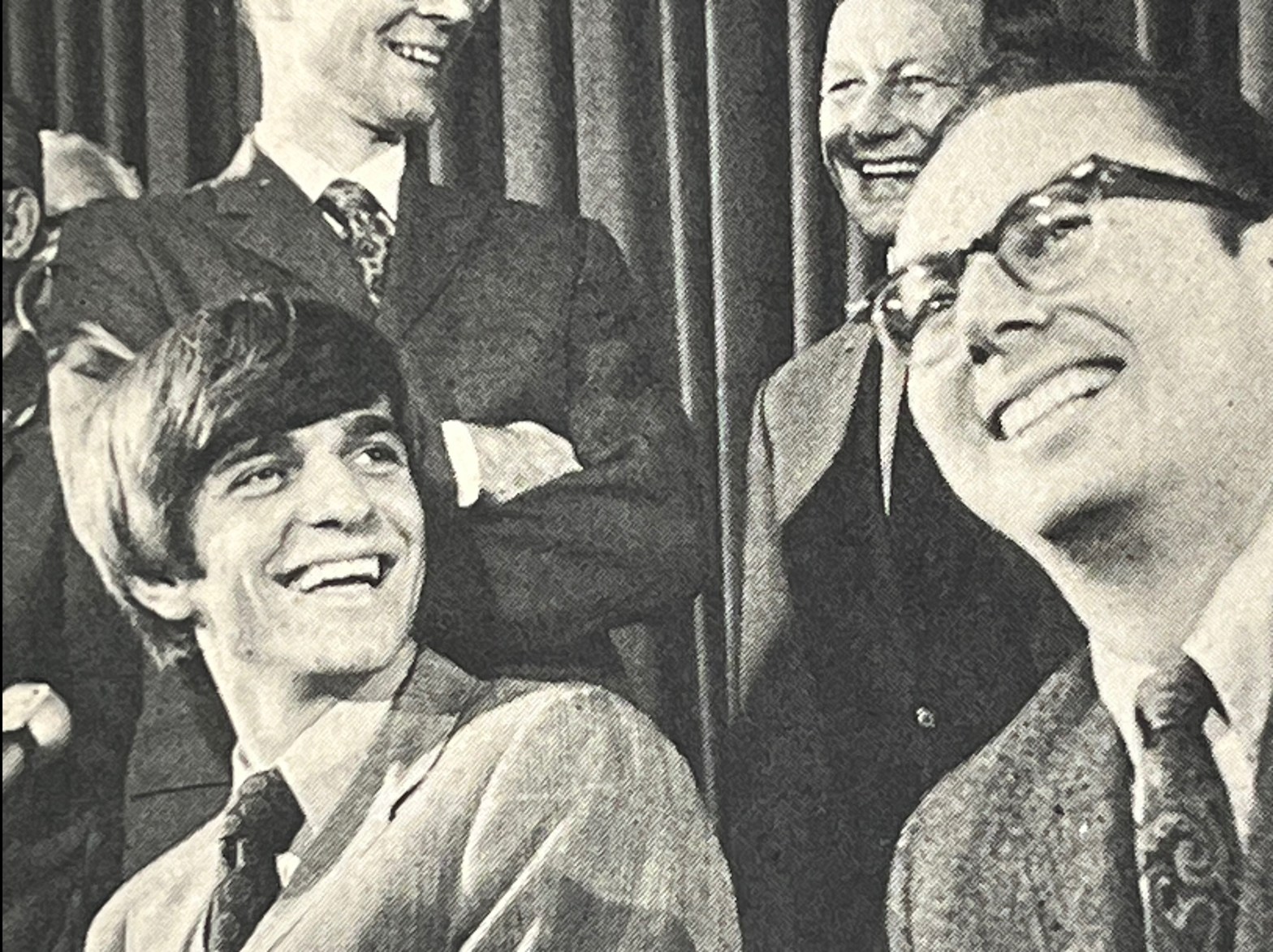
[The blog has already run several articles about the high-profile rookie Pete Maravich joining the Atlanta Hawks in 1970. Here’s another one from the January 1971 issue of the magazine All Sports. In this article, New York-based sportswriter Bernie Beglane (best remembered for covering Dr. J and the ABA Nets) weaves together a nice story about the young Maravich, his turning pro, and the myriad challenges awaiting him. Beglane, though missing a few details, nevertheless offers a nice overview of this classic moment in pro basketball history.]
****
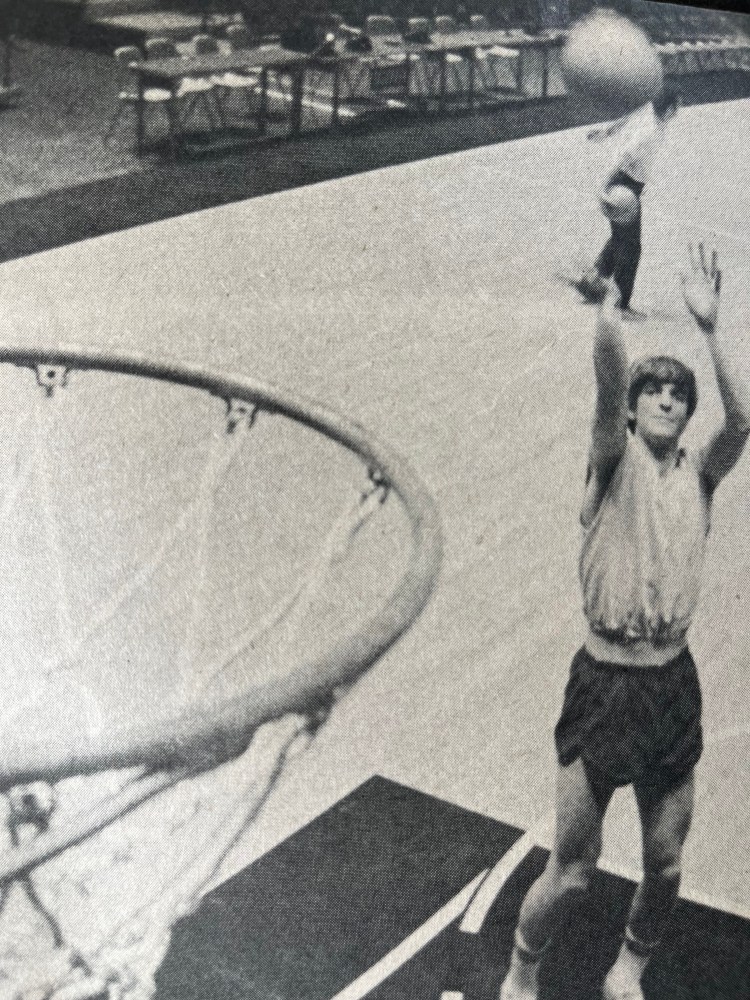
The ink was hardly dry on Pistol Pete Maravich’s $2,000,000 multi-year contract with the Atlanta Hawks when the calls started coming in. Practically every call had some sort of a get-rich-quick gimmick for Pistol.
Pete was not interested. Not that he figures he has enough money in the bank to last him for a lifetime. “I guess everybody wants to make a fast buck,” said the latest—and definitely the youngest—millionaire to invade the South this year.
“There was no time for me to talk to any of the people who called. I just referred them to my lawyer. I don’t plan. I just take life as it comes. But, of course, I don’t waste life either.”
There were some who watched the scoring sensation from LSU in action at the Hawks’ rookie camp in July who thought Pistol Pete was wasting his time. Maravich, the Hawks’ No. 1 draft choice as a result of some behind-the-scene maneuvers on the eve of last year’s college draft that caught the Carolina Cougars of the rival ABA with their pants down, was not in top condition for the week-long sessions. In addition to being out of shape, Pete was hampered by a sore ankle. Still, those who watched were impressed.
Take John Kirk, who was battling for a berth as a guard. There were times when he figured it might have been better for him to be back home in Detroit looking for a job. Still, the Hillsdale College graduate complimented Maravich by saying, “It was an education being on the same floor with Pete. It’s amazing how he’s able to get the ball to the open man. It’s not easy, but I’m trying to pick up his tricks.”
It was the kind of tricks that once prompted a Black coach from Louisiana to reply, when asked by a radio announcer to describe the Pistol’s actions with the basketball, “All I can say is that the way he plays, he’s one of us.”
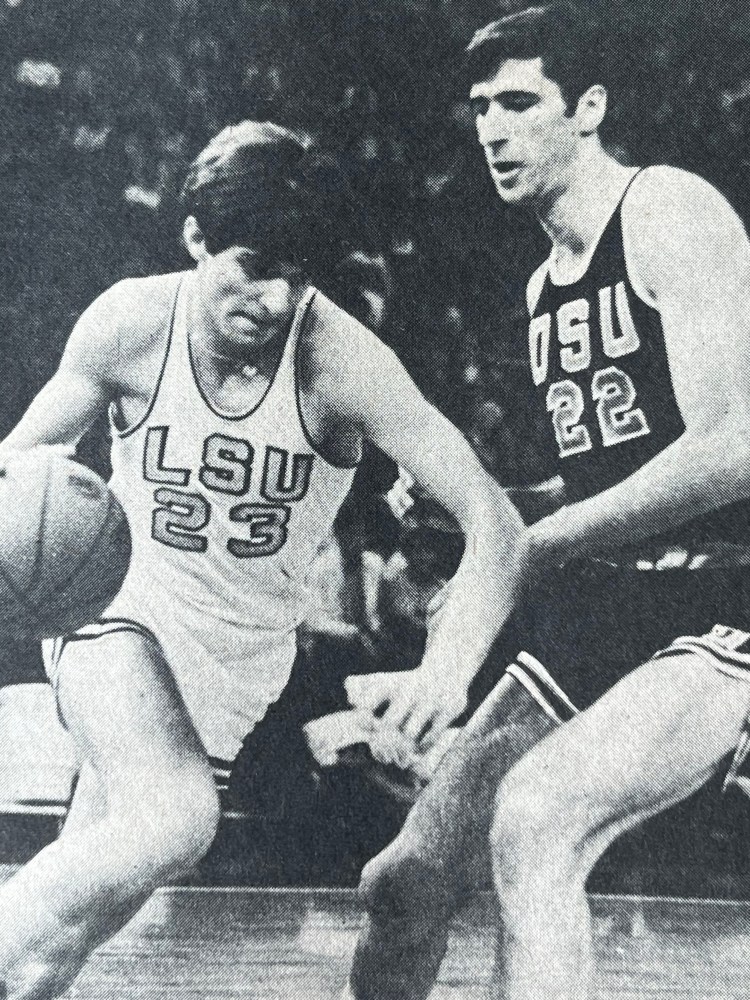
To be sure, Maravich is not Black, but he certainly does have all of the moves of a Harlem Globetrotter. “I wasn’t impressed with my importance at the camp,” replied the Pistol when asked about his performances. “I walked out on the court with the other 15 rookies intent on doing what was expected of me.”
He continued: “Pete Maravich was not somebody from outer space, and I soon discovered that. I made mistakes, and I’m not using my ankle or lack of confidence as excuses. I’m looking forward to pro basketball. Now it’s a job. I’m in business just the same as a lawyer or a surgeon.”
The drills featured 16 rookies, and again, as might be expected, Maravich was the best of them. However, the sessions were sloppy, something to which coach Richie Guerin admitted when he said, “For the most part, they just ran into each other out there.”
“Yeah,” Pistol Pete echoed later in the summer at Kutsher’s Country Club in the Catskill Mountains. “it did get very rough out there. That’s to be expected, I think. Those guys were all trying to get a job with the Atlanta Hawks.”
Maravich paused for a soda during the clinic work at Kutsher’s. Basketball is a year-round job with the young millionaire. He was thinking about the pro schedule. “It’s really the first time that I did as much running since the college season,” he explained. “That made the drills so much tougher.
“Don’t worry. I’ll be in shape. You can bet on that. The rookie camp taught me something, I’m going to play pro ball with the same attitude I had as a freshman at LSU. Being a pro is something I’ve always thought about, and now I have the opportunity to make the dream come true.”
“He sure does,” said Guerin almost a month after the camp closed. “The ankle injury hampered him. He had it before he reported. I was impressed with his knowledge of the game and the way he moved into the backcourt with Walt Hazzard. We had him on hand to work with the rookie guards, and Walt was impressed, too.”
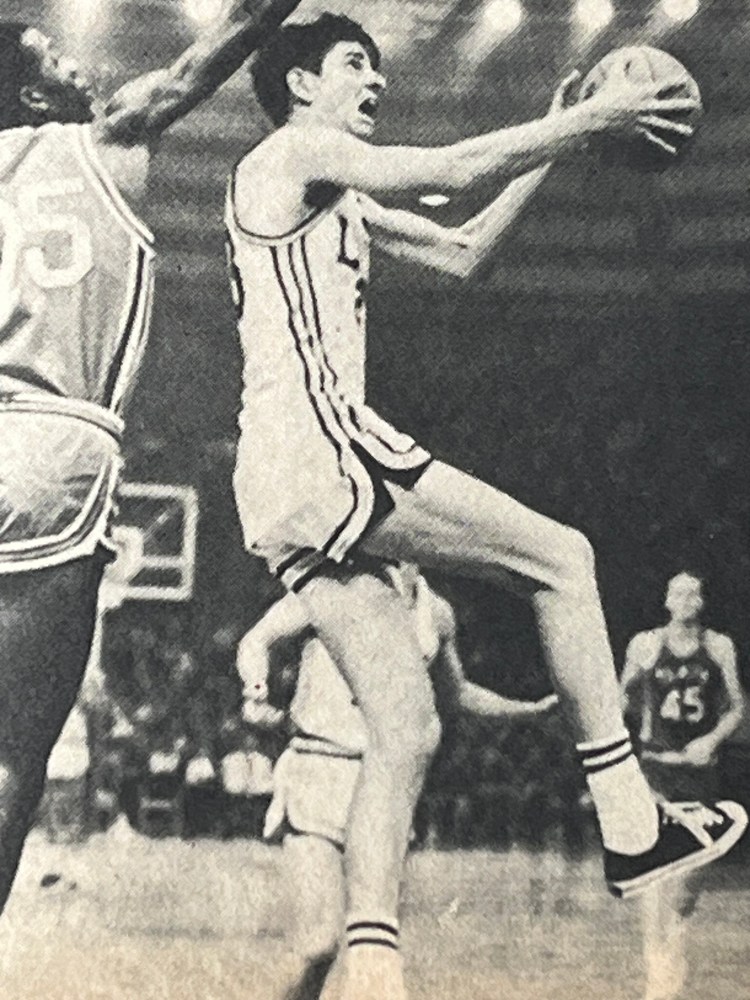
Maravich actually was surprised that he wound up with the Hawks, but he is quick to point out that he did not have anything to do with the final decision. “I never expected Atlanta to enter the picture,” offered Pete, who refused to be drawn into any kind of statement about the Carolina Cougars’ offer.
“Naturally, I wanted to stay in the South, since I was born and bred there. It wouldn’t have been the worst thing in the world to land with San Diego. All I did was tell my lawyers to handle the negotiations and that I would listen to their advice.”
The chief lawyer in the dealings with the pro team was Arthur Herskovitz. A small man with a bad leg, he hails from Aliquippa, Pa., which happens to be the hometown of Pistol Pete’s father and coach at LSU, Press Maravich.
“I never had any dealings with contracts for professional athletes,” admitted the barrister. “Press got in touch with me because of all of the agents who were hounding both the boy and himself. When Peter was still a junior at LSU, he had over 150 agents after him. Neither Press nor Pete wanted anything to do with an agent. They wanted someone they knew and could trust.”
All well and good, but how could a lawyer, admittedly a rookie in such matters, come up with such a lucrative contract?
“I let the sportswriters determine our asking price,” he said to a puzzled scribe. “We really didn’t know how to go about estimating any worth for Pete. So we got every publication we could lay our hands on and read. We read books and articles and compared the kind of write-ups Pete received as compared with those players who already had signed.
“Our only conclusion was that he was worth more than Lew Alcindor, for an example. We started from Lew’s estimated deal ($1, 400,000).”
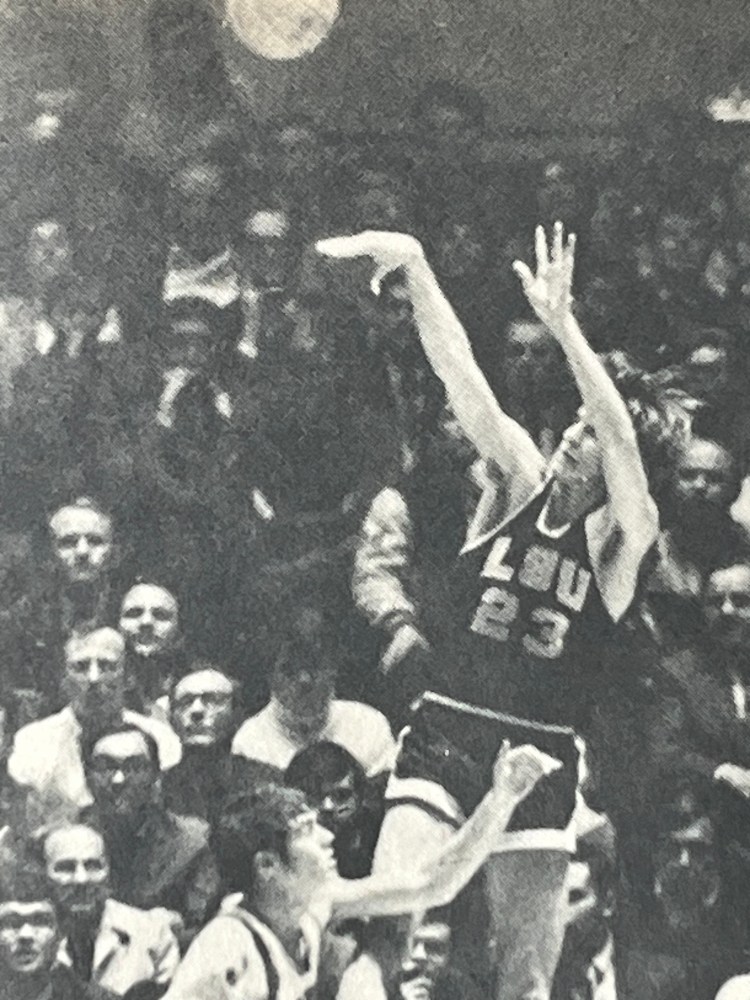
Then there was the problem of finding someone who would pay the price. The Cougars thought they had him “in the bag,” but the report is—and nobody on Maravich’s side would confirm this—that Jim Gardner (Carolina owner) became too persistent, and too demanding.
“We discovered a surprising number of teams that were interested,” continued Herskovitz. “Even then, the highest bidder didn’t win. Pete had made a list of towns where he wanted to play. Naturally, he preferred the South. When we had clubs from the South interested, they were tops on our list. When one of them gave us a fair price, we had a deal. It was a simple as that.”
“I’m excited about Atlanta, and I’m happy that my dad brought in Art,” reflected young Maravich. “In the beginning, when I was starting to hear from agents, I’d talk to some people. Instead of finding out what to do, I was getting confused. I didn’t know what the hell was going on, and it was affecting my game. There was definite pressure. That’s why I bowed out of everything.”
What about the pressure of playing under his father and the fact that Pete had free reign as far as shooting was concerned . . . like 50 shots in some games?
“There was a great deal of pressure on both of us,” was the answer, “but neither one of us let it interfere with our work. The relationship between us was . . . and still is . . . tremendous. If I had it to do all over again, I would still go with my father.
“Listen, here, being a coach’s son, brought me into contact with some of the greatest coaches in the country. I thought that my father was right up there with the best of them. John Wooden of UCLA even made a point of telling me that. Why should I have gone with some other coach when I had the best one right with me all of the time?”
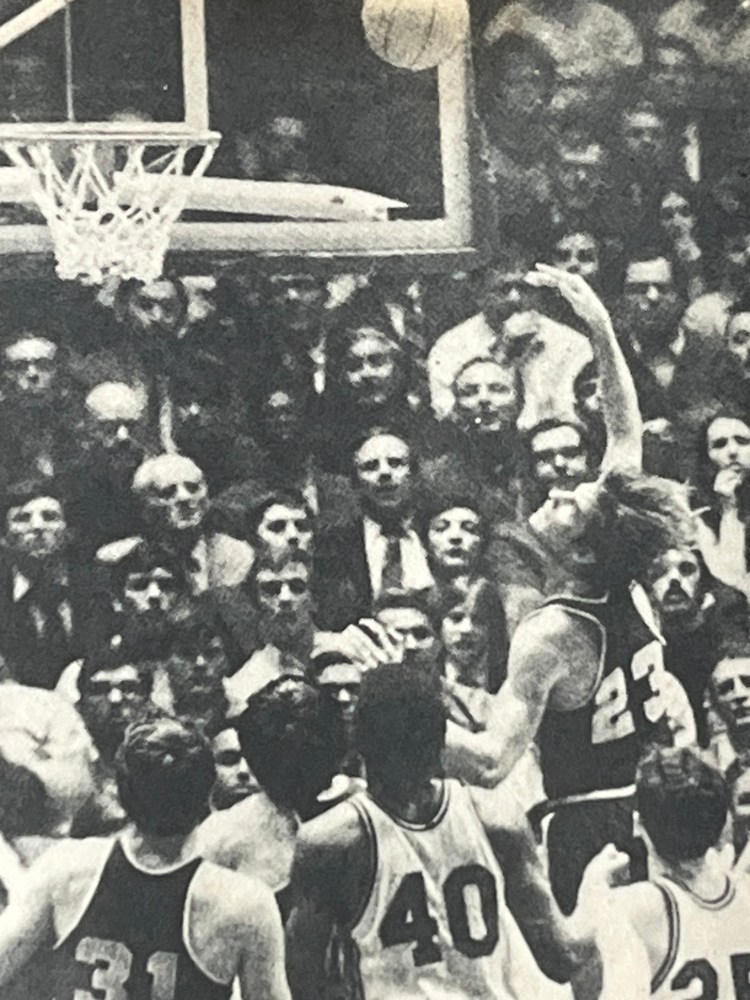
The LSU Tigers were a definite disappointment in the NIT last March, and both Press and Pete came under fire—the former for his coaching and his son for his poor play.
The Pistol wanted to avoid that subject as much as possible, preferring to go along with his father’s explanation of “the country kids coming to New York for the first time acting starry eyed.”
But what about the fact that Pete was dropped from school because of poor grades almost as soon as the basketball season was over. “I was carrying 17 hours in my final semester,” explained young Maravich, “and I was away from the campus for 11 days during the NIT.
“No question about it, I was so wrapped up in the tournament that I neglected my studies. I was a business administration major. When I got back to LSU, I knew I wasn’t prepared for any exams, so rather than take an F in the course, I decided to drop out.
“If I took the F, it would have reflected on my overall average. Taking the incomplete didn’t hurt anything. I need 25 hours to graduate, and I’m not worried about it. I can take some correspondence courses and make up the credits.”
Since Pete was a business major, did he think he was doing the wrong thing by not taking some of the deals offered to him once he signed with the Hawks?
“That’s why I had a lawyer rather than an agent,” said the Pistol. “I said before that I don’t want to waste life. Money isn’t everything. My lawyer advised me to be selective, and I will be. I don’t need all those endorsements. I took a couple of clinics . . . a deal with basketball shoes and another with a basketball. If I produce as a player, I’ll be able to get a better contract the next time.”
Guerin seconds that. The veteran coach pointed out the Pistol’s value already. “Getting a player like Maravich makes the Atlanta franchise that much stronger. Our season ticket sales soared. Someone told me that Pete alone might bring in 2,000 fans at four dollars a ticket (a total of $325,000 a season).
“No question about it, he’ll draw fans from all around the league. We have to make more money. We had all sorts of offers for exhibition games at great guarantees. We took two preseason games in Madison Square Garden. We’ll get a good check those nights. So I feel we have a great investment and a great player.”
A player who can play defense? That was the biggest rap on him at LSU.
“Yes, a player who can play defense,” replied Richie. “He battled at it during the rookie camp and showed me enough.”
“It’s not that I can’t play defense,” said Maravich, speaking for himself once more. “I can. Anybody can. It’s just a matter of gutting it out.
“You have to push yourself to play. Starting August 1, I ran three miles a day. When I got to camp, I was in the best shape of my life. Pros have to be in shape.”
If he stays in as good shape as his bank account, he’ll be tremendous.

