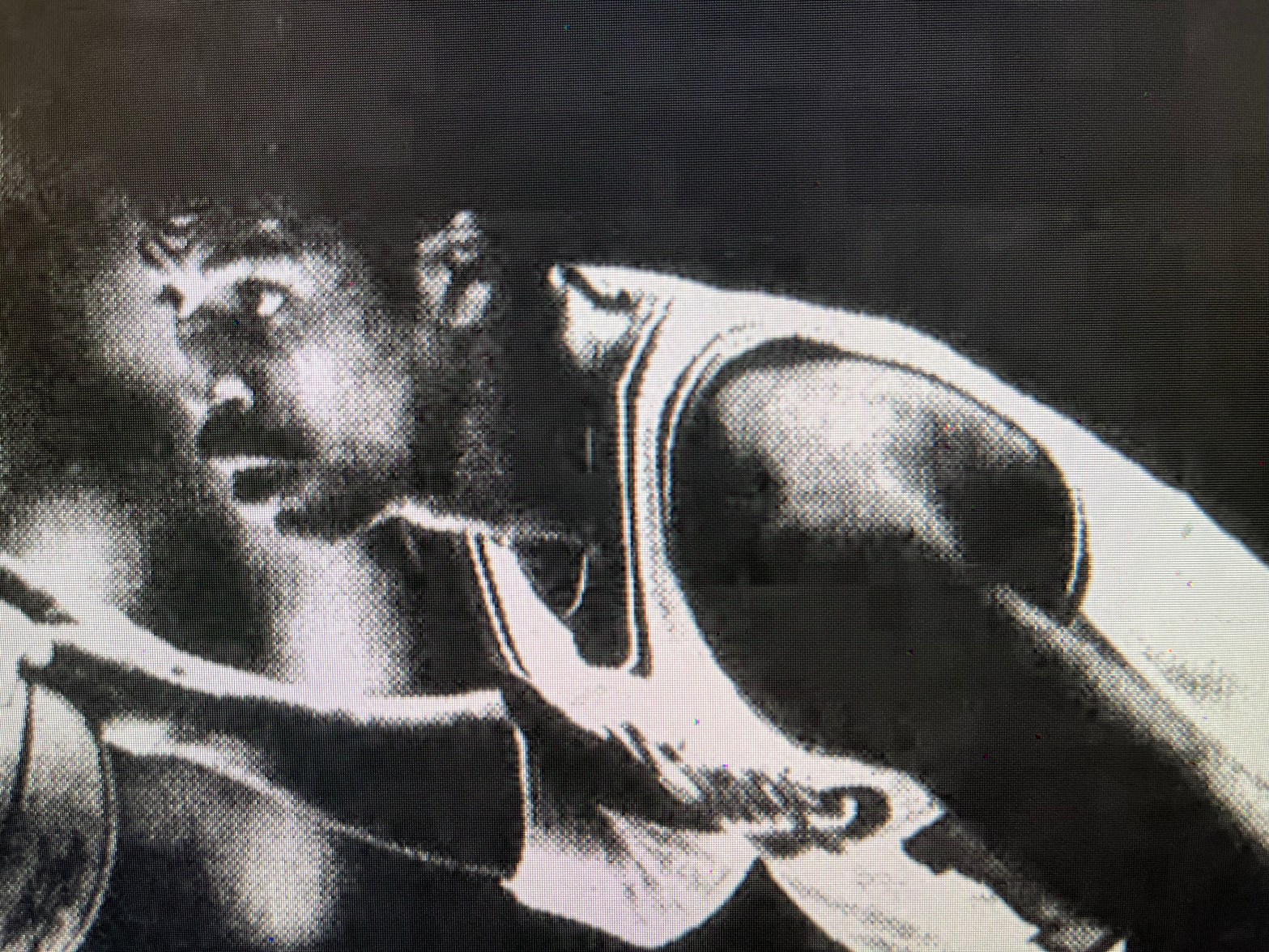
[The Kansas City Kings considered trading their first-round pick (second overall) in the 1978 NBA Draft, but couldn’t do it. Phil Ford, the University of North Carolina’s All-Everything point guard, was simply too good to pass up, pardon the pun. Joe Axelson, the Kings’ GM, reportedly beamed at the time, “We are VERY happy to select who we think is the finest playmaker around . . . Phil Ford.”
Over the next few seasons, Axelson and his Kings seemed to have hit the jackpot with Ford. “King of the hill,” wrote a keen NBA observer after the 1980-81 season. “Conducts this show like Leonard Bernstein conducts the Philharmonic . . . Many think he is the finest all-around point guard in the league.” A season later, the 26-year-old Ford had lost his starting job, and the Kings were actively looking to trade him, eventually to New Jersey. “On his way out . . . ,” the same keen observer wrote before the 1983-84 season. “This isn’t the same Phil Ford who directed Kansas City to three playoffs.”
What happened? The story below, published in the Kansas City Star on September 25, 1983, tries to answer this perplexing question. I write “perplexing” because Ford was always a personal favorite and a classy guy. But the NBA road is long, and even the best of them, like Ford, encounter the unexpected. Telling the story is reporter Tom Friend, now doing great work for the Sports Business Journal.]
****
The gym was hot, muggy, and reeked of sweat. Phil Ford weather.
“C’mon, Phil, take it to the hoop,” said Walter Davis of the Phoenix Suns.
“Ah man,” Ford said, “shut up.”
Heaven knows, no one tells Phil Ford to penetrate. Is the sky Carolina blue? Of course. Does Ford drive to the basket more than to the grocery store? Of course.
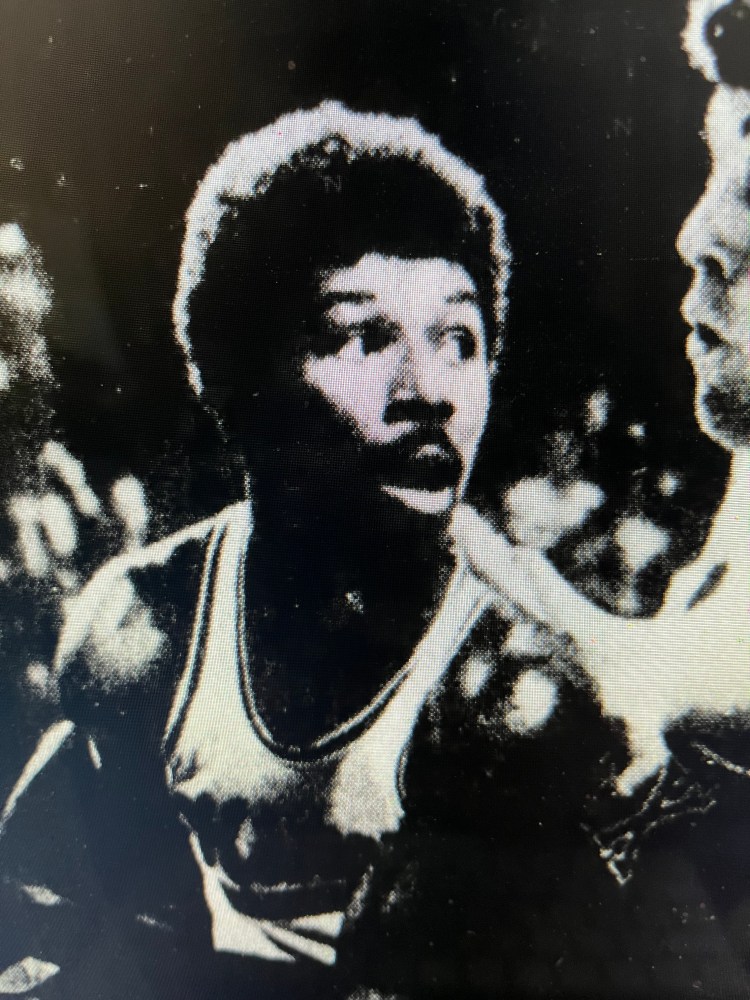
Rumor has it that when Ford was a kid, he used to beg to take out the trash. When his parents obliged, Ford would skip out of the house, give the mailman a head fake, put the bag behind his back, do a 360-degree turn, and dunk so hard the can would shake. Then he’d run back inside and say, “Got anymore?”
So, naturally, when Davis told Ford to take it to the hoop, Ford wanted to slam-dunk Davis. Instead, he just took it to the hoop. He gave Mike O’Koren of the New Jersey Nets a head fake, put the ball behind his back, did a 360-turn, and laid the ball in so softly the net didn’t move. Kind of like the old days.
Davis smiled. O’Koren whistled. Mitch Kupchak and James Worthy of the Los Angeles Lakers hollered. Dean Smith, Ford’s former coach at the University of North Carolina, just turned and walked away.
“You should have seen him,” Smith said. “He was diving for loose balls, dishing off, shooting. He’s doing very well . . . Right then, I knew he was all right. It’ll be interesting to see what happens to him this year.”
Was anything ever wrong with Ford, a former, All-American guard, a former Olympian, a former NBA Rookie of the Year, a former NBA All-Star with the Kansas City Kings?
Put it this way: When the players left the North Carolina gymnasium that day, Davis, O’Koren, and Kupchak were talking excitedly about the upcoming NBA training camps. A gloomy Ford talked only about his upcoming aerobics class. Not exactly Phil Ford weather.
Not one NBA team wants Phil Ford. Zero for 23. Last year, the New Jersey Nets traded him seven games into the season to the Milwaukee Bucks, who at first loved him, then hated him. The Bucks played nine playoff games last year. Ford got in for exactly five minutes. Ford, 27, is now a free agent. If some team signs him to an offer sheet, the Bucks will not match it. They want no part of him.
But that doesn’t mean there’s no hope for Ford. Sources say the Denver Nuggets will sign him before the season begins. Denver coach Doug Moe has North Carolina ties, and the Nuggets’ style of play—“give me the ball, so I can shoot it”—is perfect for the pass-happy Ford.
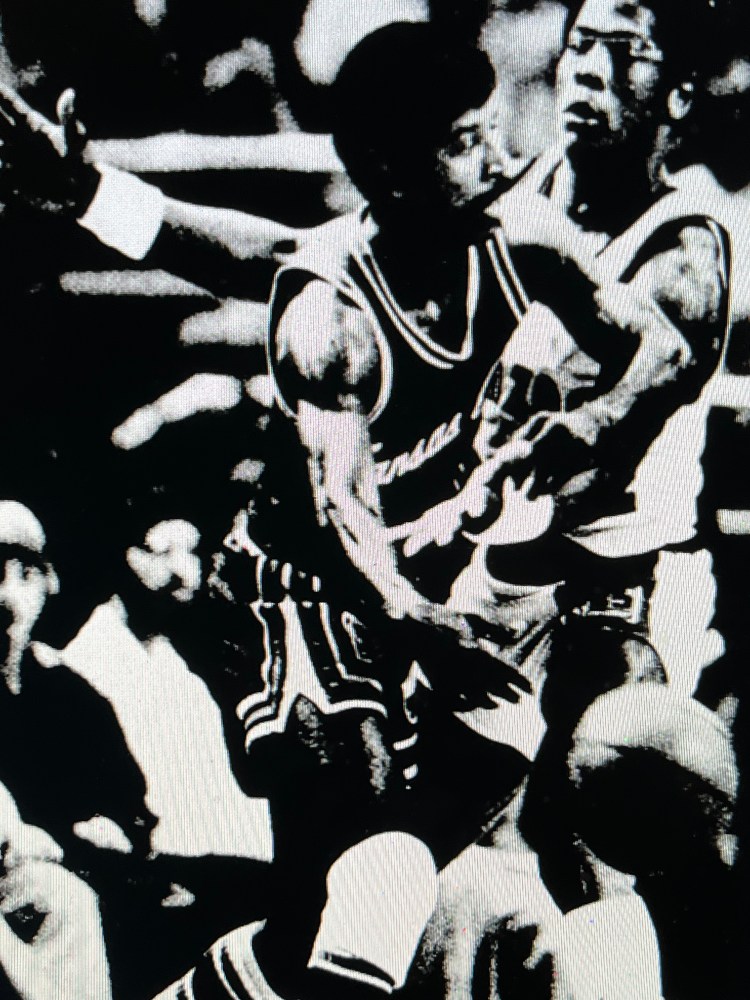
Don’t think for a minute that Ford has forgotten basketball. “I’m real excited about this season,” Ford said. “I haven’t been this excited about playing in a long time. I’m fired up this year . . . I’m in the best shape I’ve ever been in.”
Understand Ford, though. Ford would be optimistic if the NBA used square balls. He must lead the league in smiles. But the league isn’t smiling back.
His doubters abound. “I think if no one’s interested in him, you have to believe there’s been a diminishment in talent,” Lakers general manager Jerry West said. “Milwaukee had a need for a player at that (guard) position, and he didn’t fill it. That’s a major concern.
“I’m shocked at what I see in him as a player. He doesn’t look like the same player. In his first two years in the league, he did well, but when he’s that small (6-foot-1), he’s a defensive liability. And if he can’t shoot . . . I’d assume a lot of teams feel this way . . . It’s just strange to see him now . . . He’s not the same player.”
Said David Falk, one of Ford’s agents: “People forget quickly in the NBA. It’s what have you done for me lately in this league.”
Lately, Ford has done nothing—besides keep the bench warm.
****
Folks in Rocky Mount, N.C. prefer the easy life. They work for a few hours, go home to get some grub, then head to the high school basketball games. What happens when it’s baseball season? “Baseball season?” one Rocky Mount native said. “Oh yeah. We have one of those. But most of the time, we fake it, and say it’s basketball season.”
They were faking it recently when Phil Ford, Sr., a teacher, went to a PTA meeting. “Most of the parents were talking about Phil instead of their own kids,” Phil Ford, Sr. said. “Phil grew up here. They loved him. They were saying, ‘How’s he doing? Is he all right?’ And I’d say, ‘You came to talk about your child, not mine.’”
Excuse them. They consider Ford one of their sons.
At Kansas City? Well, they know the Kings drafted him in the first round of the 1978 draft (second pick overall), and they know how much he excelled. In his third year with the Kings, Ford had been rolling along singing a star’s song—scoring, assisting, winning.
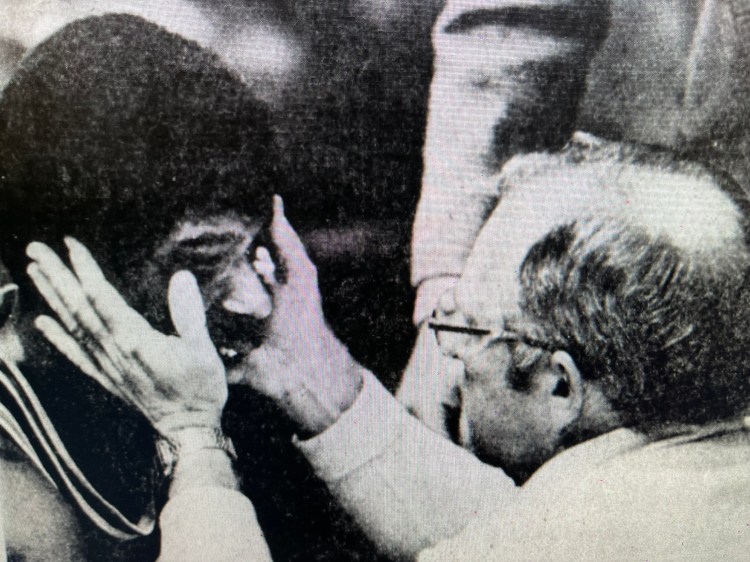
Then Golden State’s World B. Free shattered Ford’s world, accidentally poking him in the left eye in a game in Oakland, Calif. Doctors diagnosed it as a fracture of the orbit, a bone behind the eye. Ford had double vision for months and missed 26 regular-season and 10 playoff games. He was never the same player.
The next year—the 1981-82 season—he was beaten out by newly acquired Larry Drew. Then the following season, the Kings got what league experts called the bargain of the year when they traded Ford to the Nets for shooting guard Ray Williams.
The deal reunited Ford with his old roomie Otis Birdsong, and the Nets had a bunch of Atlantic Coast Conference players. Mike O’Koren, Len Elmore, Mike Gminski, Buck Williams, and Albert King.
So what happened?
“He stunk,” one New York sportswriter said. “He was a mere shadow of his old self . . . He just didn’t have the speed. They kept saying he’d come around, but quietly they were deciding to get rid of him.”
Larry Brown coached Ford at New Jersey. Both were Carolina alums, and the way Ford figured it, “Any friend of Dean’s is a friend of mine.” But Brown and Ford were friends for only seven games.
“He was trying so hard to please me so the trade could be justified,” Brown said. “Williams was so popular there. Phil just put so much pressure on himself . . . I didn’t ask him to replace Ray Williams. Otis would’ve done that . . . Maybe the type of person he is, he just wanted so badly to please you. Maybe that’s hurt him in the NBA.”
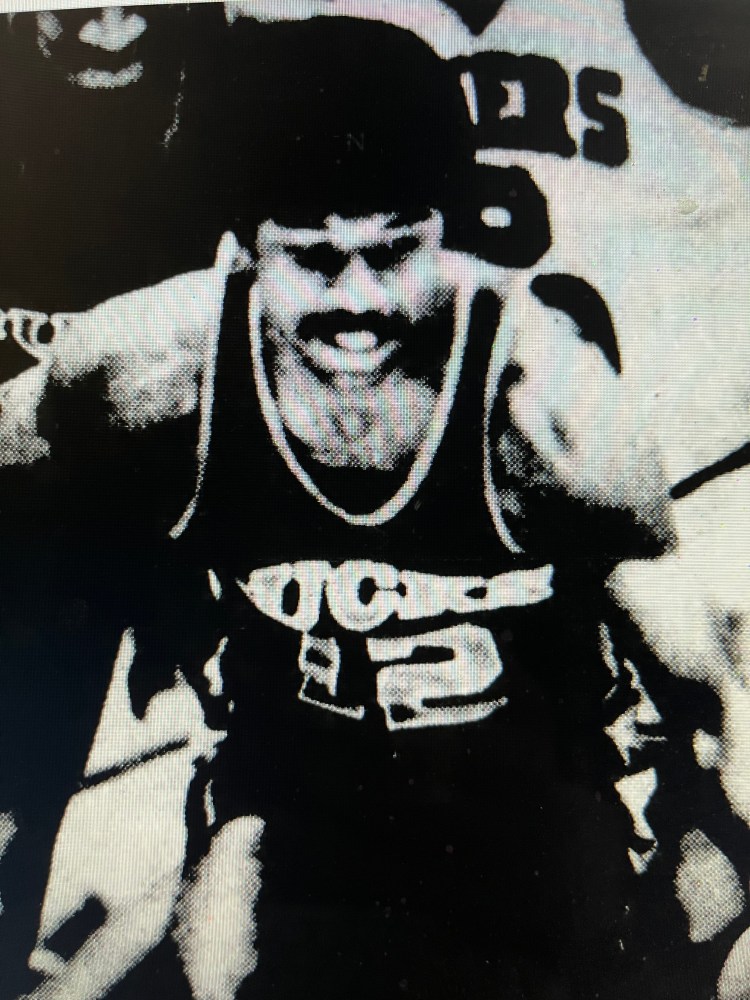
Birdsong said: “He tried so hard to fit in. The New York papers talked about him being such a great team player, and he was so conscious of being a playmaker . . . He wanted to get 10 to 12 assists a game. He’d take one or two shots a game, and he’d averaged 17 points in Kansas City. I’d tell him, ‘Can’t score if you don’t shoot.’”
New Jersey traded Ford to Milwaukee for Mickey Johnson and the rights to former Brigham Young star Fred Roberts. Brown said Ford still was a good player, but the Nets had a numbers problem at guard. The Bucks, needing a point guard, had coveted Ford. But Milwaukee gave up on him quickly.
“I think he was doing okay (averaging 6.8 points). It’s not like he had a poor year or was disappointing,” said Don Nelson, the Bucks coach and general manager. “At first, he started, and we were winning. But two things happened: He certainly wasn’t the same as he was doing his rookie year, and Paul Pressey kept getting stronger. The decision time came on which way to go, and Paul deserved a chance to get some games under his belt for the playoffs.”
Milwaukee’s style didn’t help either. Ford needs the ball to be effective, but the Bucks prefer to have Marques Johnson and Sidney Moncrief handle it. Plus, Milwaukee likes to post up their guards. Ford was too small, Pressey, a better defensive player at 6-5, wasn’t.
How far has Ford fallen from Milwaukee’s graces? The Bucks signed free-agent Nate Archibald this summer, mainly because he doesn’t have a guaranteed contract and Ford does. But Ford never again will be a Milwaukee Buck. “I just don’t understand what Milwaukee did to him,” said Falk, Ford’s agent.
****
There are two clear reasons why Ford is in exile. First, he’s banged up. He tried playing pro basketball with the same intensity as the collegian and found out it’s impossible to do over an 82-game season. Second, he lost his once-incredible confidence.
Ford never has taken a nap on the basketball floor. Loose balls? He’d dive for them. Draw a charge? It didn’t matter if the player was 6-10, 300 pounds. He had bad knees, elbows, and even a kidney problem. It was the only way he knew how to play, but it cost him. Especially after his first three seasons in Kansas City. “I used to see him take bumps and bruises, flying through the air, taking chances of getting hit or taking terrible tumbles,” Drew said. “It can take a toll. Definitely.”
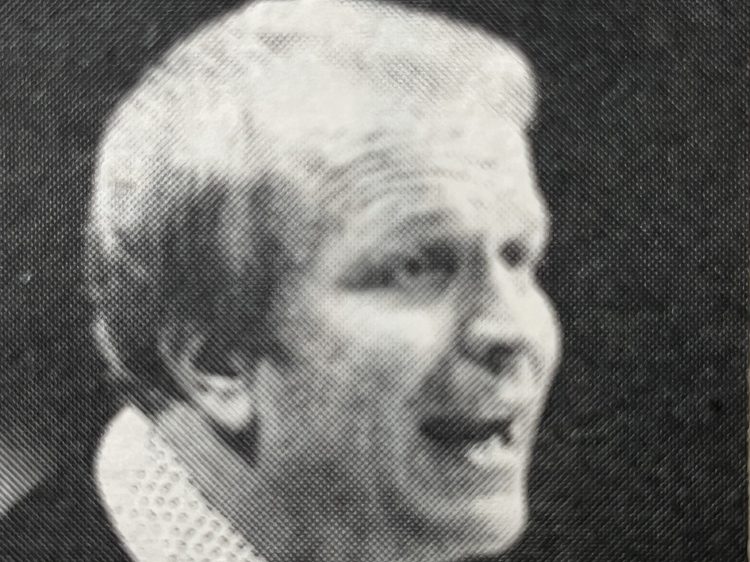
Dean Smith, Kansas City Cotton Fitzsimmons, and almost every NBA player and executive agree. Ford may have burned himself out.
Ford certainly lost confidence in himself. The two most influential coaches in his life—Smith and Fitzsimmons—had been like second fathers to him, and suddenly they no longer were around. “Phil loved Cotton and Dean,” Birdsong said.
But especially Fitzsimmons. “The biggest blow came to Phil when he was traded to New Jersey,” Birdsong said. “He was everything in KC, and Cotton loved him and said he’d leave before he’d trade Phil. Phil thought, ‘Why was I traded? If Cotton traded me, maybe I’ve lost it?’ They were so tight. Phil was his No. 1 son.”
How close were they? Fitzsimmons even invited Ford to play on this year’s (1983) Kings’ summer team. Ford could not because he still was property of the Bucks.
“Phil always was kind of a sensitive boy,” Phil Ford, Sr. said. “He was never a rowdy son or rough. And the rougher someone talked to him, he couldn’t take it. Some boys do better when that happens. Not Phil. If you raise your voice, he gets nervous.”
Brown and Nelson have been known to holler. “I don’t know,” Birdsong said. “It’s just all confidence. Phil can’t go thinking he’s finished. That he’s lost a step, and he’s finished. He has to think he’s the same Phil Ford.
“I saw him in Milwaukee, and he was the same player, but indecisive when driving to the basket. He had no confidence in his shooting. He wouldn’t look at the basket. He looked confused, like, ‘What am I doing out here?’”
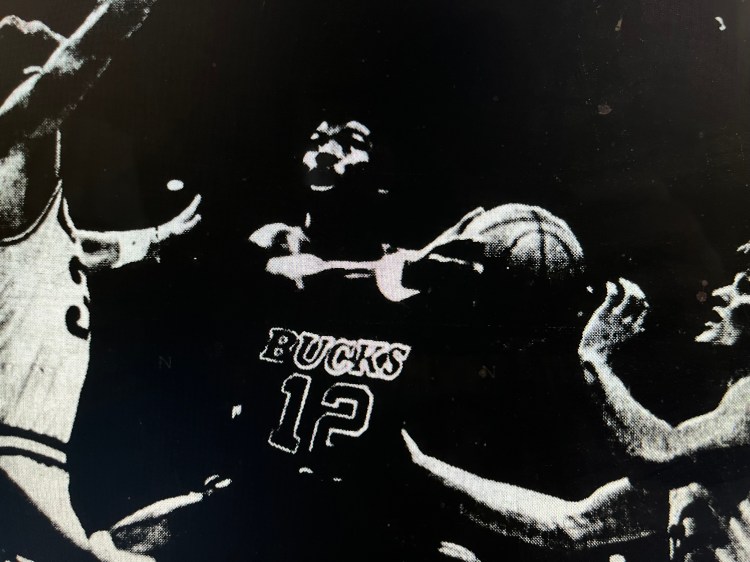
Rumors have it that Ford has a drinking problem. Brown said he heard the rumor before Ford arrived in New Jersey, and Denver’s Doug Moe reportedly visited Ford recently in North Carolina to see if he’d straightened out his personal life.
The drinking rumor once made the North Carolina newspapers. Phil Ford, Sr. read it and winced. “I had to confront him with it,” Phil Ford, Sr. said. “I asked him if he had a drinking or drug problem. He told me one thing that couldn’t happen is that. Being his father, I had to believe him.”
Ford said: “That rumor started with Otis Birdsong. We were tight. They called us ‘The Coneheads.’ Well, a guy from SPORT Magazine did a story on us and asked Otis to describe me. He said, ‘Phil’s an alcoholic.’ I mean, after games we’d go to his apartment and go over the game with a few drinks. But he was joking. It was one Conehead talking about another.”
****
Phil Ford goes to bed early these days. He gets up early, too. He goes to aerobics class, shoots for hours by himself, plays in pickup games with NBA-caliber players, and jogs.
Coach Smith put his team through a 4.6-mile race. Ford joined the players and finished second. He was so excited, he ran all the way home, broke through the door, and started raving. He asked if there were any garbage to take outside. He wanted to take that trash to the hoop.
“I’m back,” Ford said.
And if it’s true, the forecast could be changing. Phil Ford weather. Again.
[ADDENDUM: Ford signed soon thereafter with the Houston Rockets. He played 81 games for the Rockets, averaging nearly 25 minutes, 7.1 points, and 5.1 assists per game. “He regained respect . . .,” wrote one publication. “He’s getting by on his willingness to work and his knowledge of the game.“ In 1984-85, Ford got in another 25 games for the Rockets to start the season. By December 1984, Ford’s role greatly diminished and still without his former zip, the Rockets waived him. In the fall of 1986, the 30-year-old Ford gave the NBA one last try with the Golden State Warriors, but he didn’t survive the final cut.
So, back to that fateful eye injury. Was it the cause of Ford’s rapid decline? “My style is going all out,” Ford said before being waived by Golden State. “Maybe deep down, I’d ease up because I had never been hit like that before. But I don’t think so.” Ford said the better explanation might be he took a lot of hits during his NBA career. Like a football running back, maybe Ford got whacked one too many times and lost a step. Then again, Ford added, the times and the point guard position had changed by the mid-1980s. “When I first came to the league,” he said, “every team had guys my size. Now point guard are 6-5, 6-6. Teams want guys who can play more than one position.”]
 From Way Downtown