
[The player-coach was a mainstay of the early NBA. But times change, and the association hasn’t had one in an eon for a variety of good reasons. One is that serving as a player-coach can be extremely awkward. “The impossible job” the late-Al Attles calls it in this article published under his byline in the December 1994 issue of the magazine Playbook. Attles speaks from experience, having served as the player-coach of the San Francisco Warriors while in his early 30s and toward the end of his 11-year playing career. He got the job on an interim basis for the last 30 games of the 1969-70 season and remained in both roles for the entire next season. In 1971-72, Attles retired as a player to concentrate on coaching the Warriors.
Attles tells his story in the first person, though he received an editorial hand from sportswriter Michelle Smith, who would become a leading journalistic voice in covering women’s basketball. Smith just published a book on Stanford’s iconic women’s basketball coach Tara VanDerveer. You might want to give it a look.]
****
Being a player-coach is virtually an impossible job. They don’t have them any longer for a good reason. But for a while, player-coaches were the modus-operandi, for lack of a better term. It was done mostly for economic reasons, saving a salary by combining the two. Years ago, it was a high priority for teams to save some dollars, but it’s certainly not like that anymore. People make a big deal out of being a player-coach, as if it was a great thing. But it usually didn’t work.
In many cases, player-coaches came in when the team wasn’t doing well. But that wasn’t the case for the Boston Celtics, who named Bill Russell the player-coach after Red Auerbach retired. That worked out well for them. They won a championship under Russell. I used to tease him that they won because Russell played, not because he coached. He was the one guy who captured the essence of the player-coach.
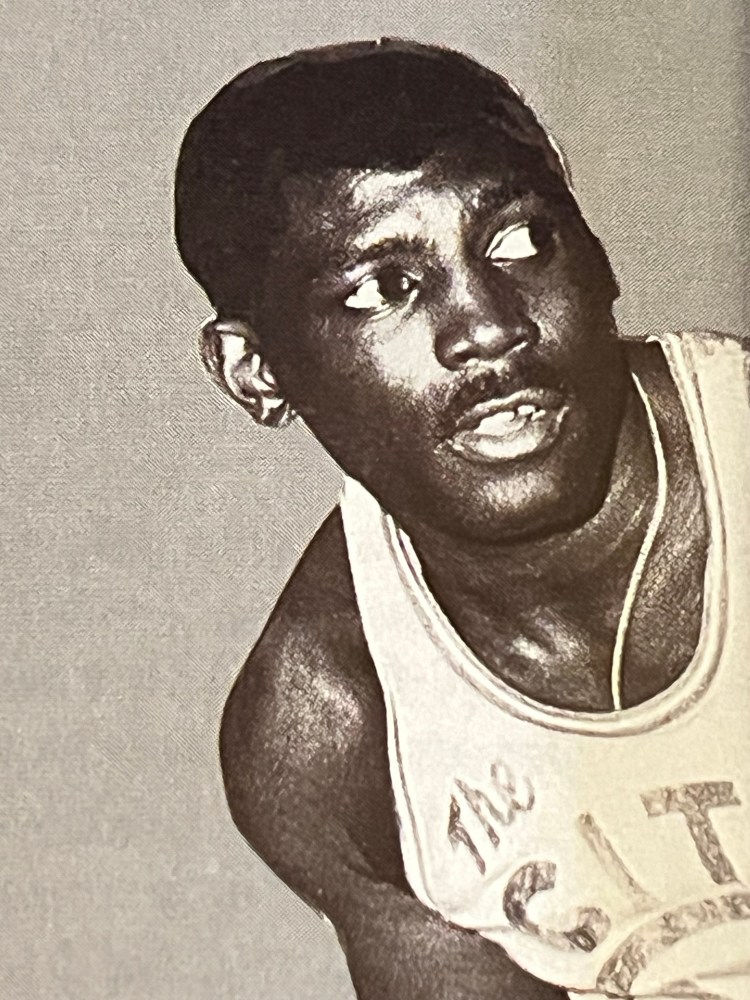
Franklin Mieuli first made the proposal to me, which I turned down three times before I finally accepted. Franklin and Bob Feerick, the general manager at the time, called me at home, and Franklin said to put the coffee on. Well, my wife had already gone off to school, and I told him, “My wife’s not home, and I don’t drink coffee.” But Franklin insisted that I “put the coffee on, we’re coming over.” Franklin, Bob, and coach George Lee came over, and we worked things out.
To tell you the truth, I didn’t think a change was warranted, but that wasn’t my decision. The team wasn’t doing very well, and it was beyond the trade deadline, so you couldn’t get any new players. It isn’t like it is now with the 10-day contracts.
George was doing as well as he could, and the players had to be held responsible for how the team was playing. Franklin assured me that George would end up in the organization in some capacity, and I finally relented and agreed to do it for the final 30 games of the season. I wanted to continue playing, and I said next year I would go back to playing. I had no idea then that I’d be coaching for the next 14 years.
In any case, the season was almost over, and there wasn’t a great deal we could do. Nate (Thurmond) was injured, and I felt more like the keeper of the key than the coach.
Everything changed as soon as it happened. I’d never been a big socializer, and from that standpoint, things didn’t change much. But when I was a player, I was one of them. When I became the player-coach, it was like a middle ground. It didn’t change us being friendly, but I had crossed the line. All of a sudden, I was responsible for their time on the floor. You are the person who controls their livelihood and, on top of that, you’re competing with them for time on the floor.
If you put yourself in, you are taking time away from them, and it can be misconstrued. It’s as if when you put yourself in, you are putting money in your pocket and taking it out of theirs. That’s when I decided that if I was going to be a player-coach, I was only going to play in certain situations, like late in the game. I wasn’t going to compete with them for time. You can’t wear two hats. At contract time, I purposely took less money. I didn’t want to take it under false pretenses. I knew I wasn’t going to play much.
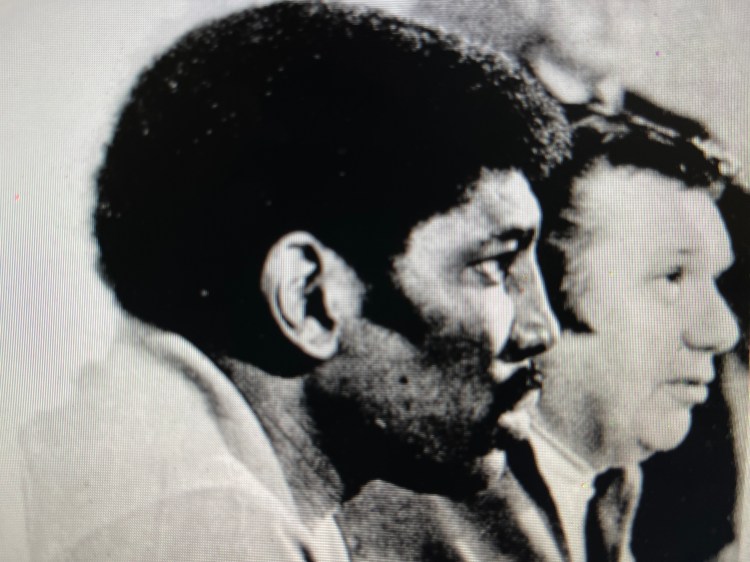
The most difficult decisions were when I had to release players. I knew it was something I had to do, but some of the worst times in my life were weeks leading up to making cuts. It was like playing God with their lives, and I never liked that. I was taking someone’s livelihood out of their hands. I was close to many of the players in age, and they would ask me, “What do I do now?” I felt bad that I didn’t have the answer. I’d ask them if they finished school and if they had their degree. More often than not, they’d say no.
I think it took its biggest toll on my wife. At the time, I was the oldest player in terms of service and age. To the wives of the younger players, she had become something of a mother figure. All of the new players’ wives would spend the night when the team went on the road, and they had potluck dinners and would bring over their kids. When I became the coach, it changed how they related to her, depending on how much their husband played or didn’t play.
I relied on people who had coached me or played with me for help. I took all the good points from different people—and probably a few of the bad points. I relied a lot on Bob Feerick, who was a great NBA player and coach at Santa Clara. I went back to all the coaches I ever had, including my high school coach back in New Jersey.
It was definitely on-the-job training. I would also utilize my players [for advice]. Jeff Mullins was great for that. My wife was always there and always had many ideas. Even when I pretended I wasn’t listening, I would listen to her. And there were a number of fans who would always have some advice for me.
As a player-coach, you know you could play at any time, but you always resist that. I made that decision when I started, but it was difficult. You have the same competitive drive as a player, but you can’t tangibly do as much. Players can run and jump and shoot, but all you can do as a coach is prepare and then put somebody else in to do what you want.
The only reason I came back as the head coach the next year was because the players worked so hard the last 30 games. I wanted to see what would happen if we started from day one together. And we made the playoffs that year.
It was a tremendous experience, and I have no regrets. People are under the illusion that there are certain things you have to do to be a coach, like there’s some formula on the board and to get there you have to follow the formula. It’s like in baseball. They say when you are on the road, you play to win in the ninth. But when you are at home, you play for the tie. They say that’s in the book. I’m still trying to find out who wrote the book, and I can’t even find the book.

