
At the age of 22, McGinnis has already been compared—favorably—with a man many considered the finest and most complete forward in basketball history—Elgin Baylor.
Author Archives: bobkuska
Dolph Schayes: The Boy from Syracuse, 1953
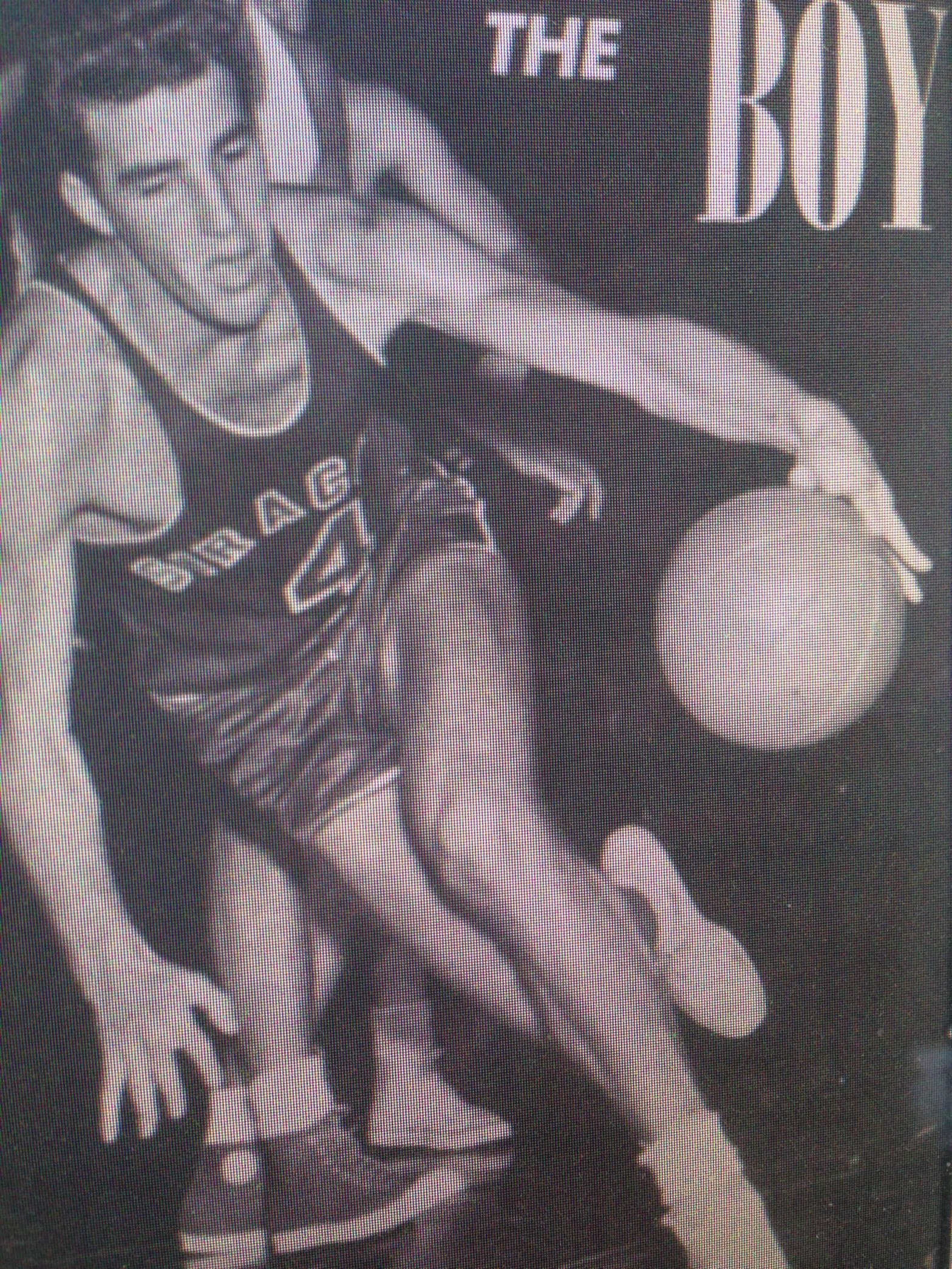
All the near riots which have occurred in the New York-Syracuse series. Almost always, at the bottom of the basketbrawl pile, you’d find a big National with the number 4. That was Adolph Schayes.
Hal Greer: Call Me Coach, 1974
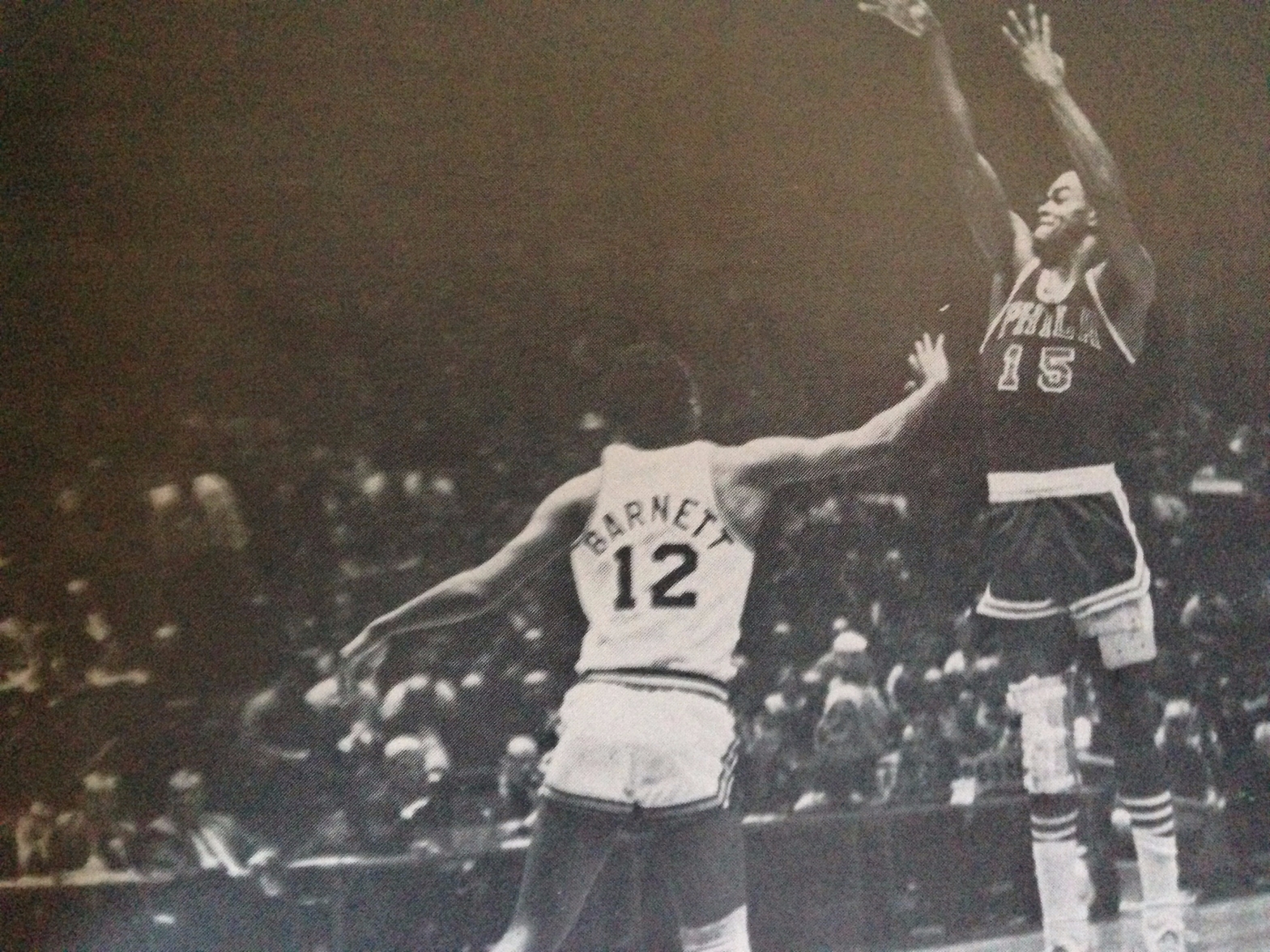
This is not the way Hal Greer had wanted to start his professional coaching career. Not with a defeat, not in the near anonymity of the minor leagues. He had wanted to coach the 76ers when it was ordained last year that his playing days were over. He had wanted to stay in the limelight he had known so well.
Luther Rackley: Reserve Power for the Knicks, 1972

Now even the cynics know Luther Rackley can play.
Kevin Stacom: An NBA Career in Five Newspaper Clips

He is the last of the true ones left, the only Celtic who knows the difference between Galway and Waterford, and who wouldn’t ask for a frosted mug for his Guinness.
Walt Hazzard: ‘Rook’ as in Rookie, 1965

Walt Hazzard takes it in stride. He is sure he will be one of the stars of the game.
Elgin Baylor: Record Book Worst Enemy, 1965

Elgin Baylor is a basketball player—and horse player—who announces in the car on the way to the airport, “I will give Jerry my nose any day for his knees. I need two good knees. My nose can take care of itself.”
Elgin Baylor: The Irreplaceable Laker, 1973

Little kids across the country dribble and shoot the Elgin Baylor way. On playgrounds, future basketball stars don homemade jerseys bearing the famous number 22.
Stan McKenzie Makes Case for NBA Defense, 1970
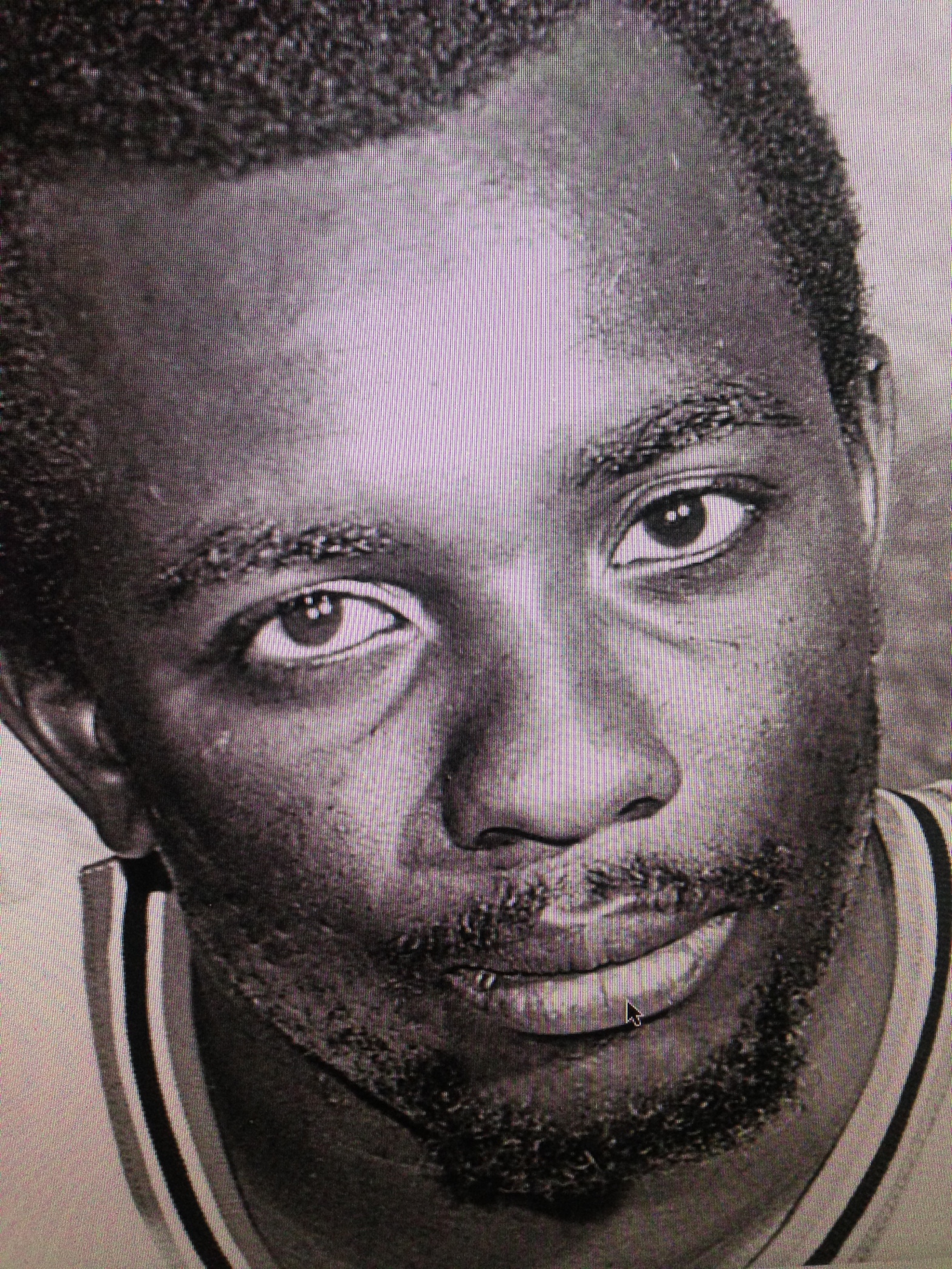
McKenzie: “It makes me mad to hear some fans complain that we don’t play defense in pro basketball. That’s a lot of bull. If we didn’t play defense, teams would be scoring 200 points a game.”
Julius Erving: The Greatest Show on Earth, 1973

Did Erving need the big-time to feed his ego, feeling perhaps that he’d suffer the sort of way Henry Aaron did by playing in towns where he didn’t get much national publicity? “No, I don’t feel that way,” said Erving. “All during my basketball career and life, the acknowledgement of me has been in a very limited sense.”

