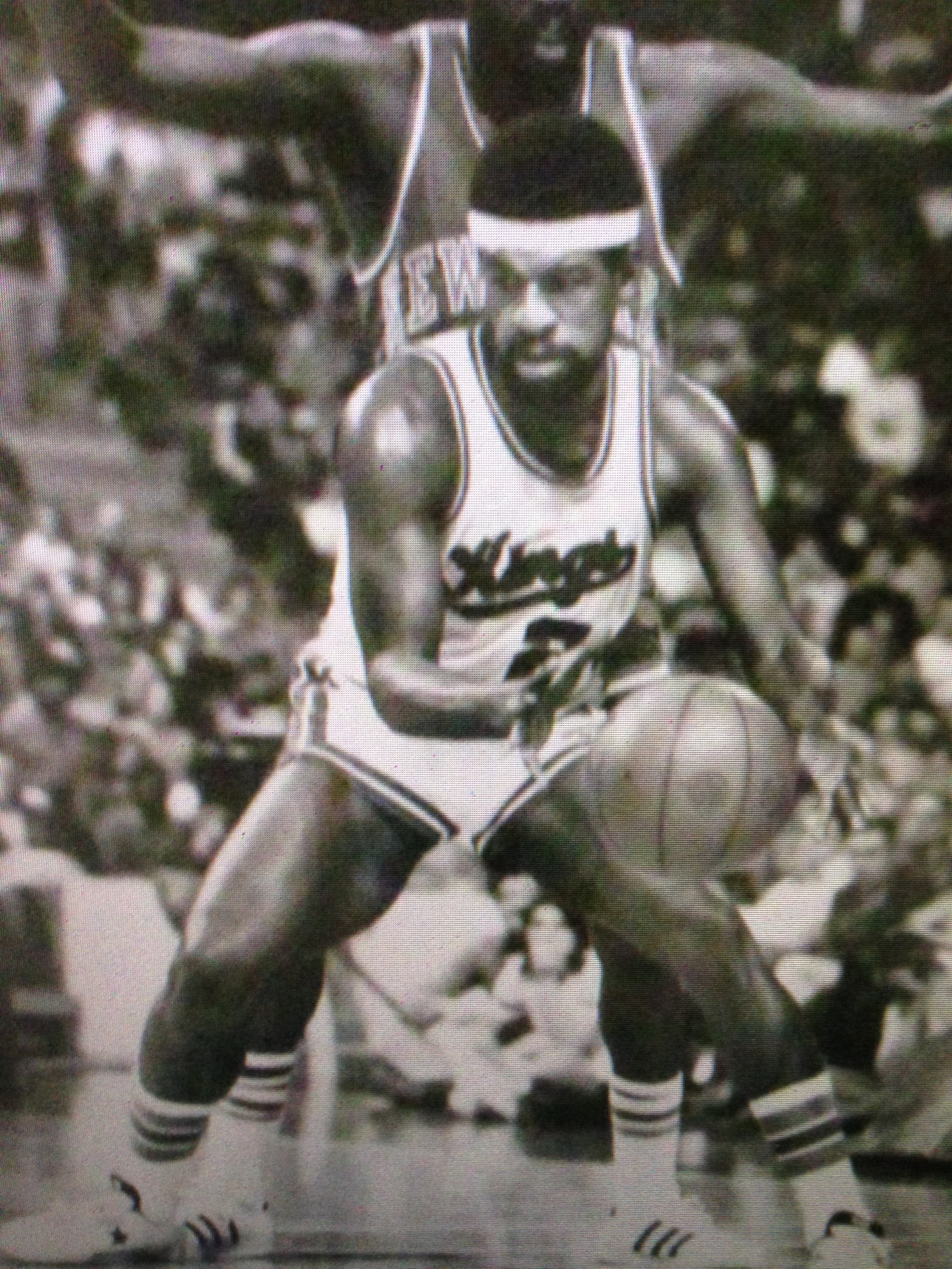
It was hard to imagine Walker, sitting relaxed and at ease in his home, pounding up and down a hardwood floor shooting baskets for the Kings.
Tag Archives: 1970s NBA
Ernie DiGregorio’s Brave New World, 1974
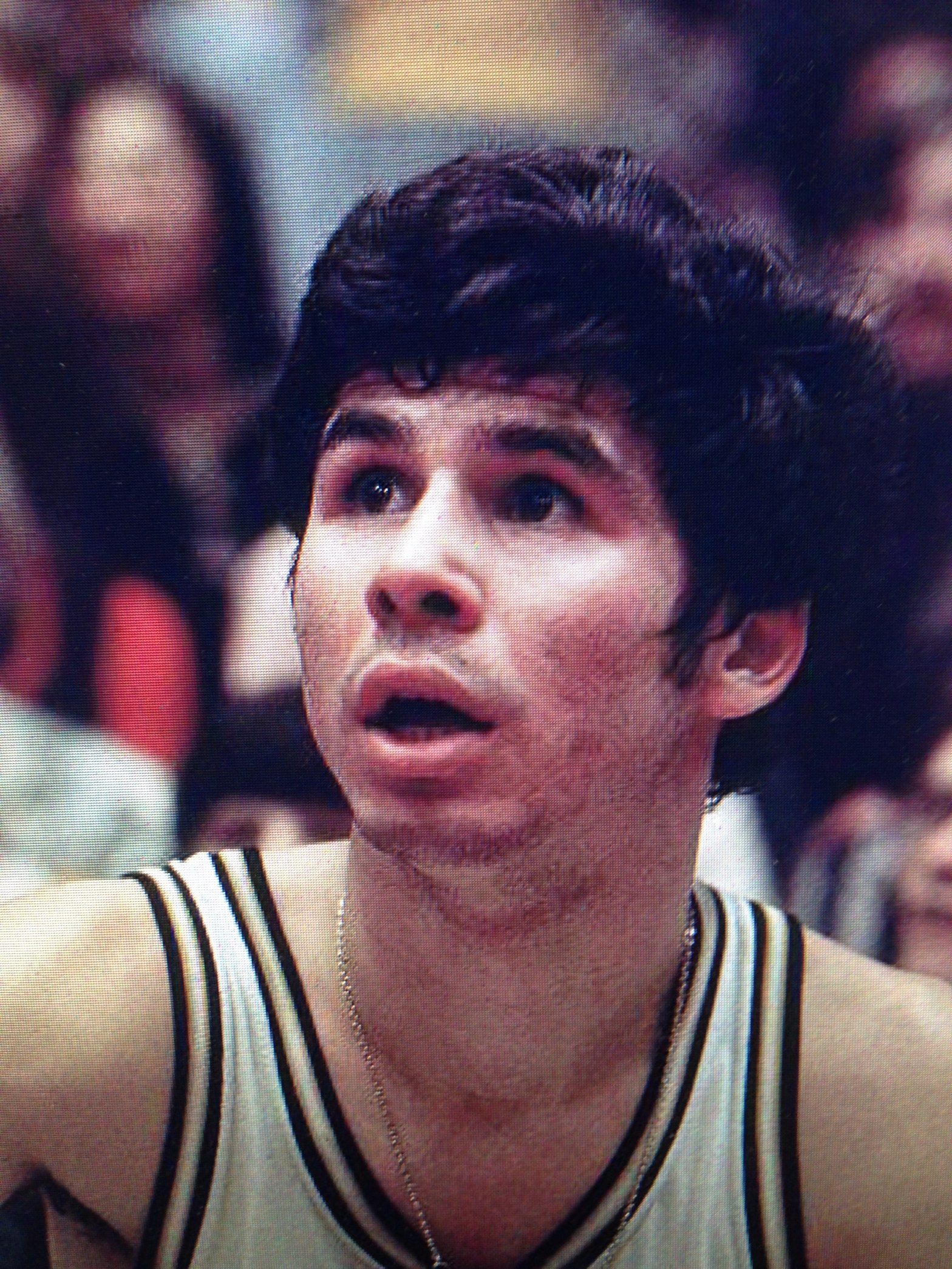
In his native Rhode Island, where he grew up only a short dribble from the Providence College campus, he is already an established folk hero.
Willis Reed: Managing The Knicks’ Special Agony, 1978
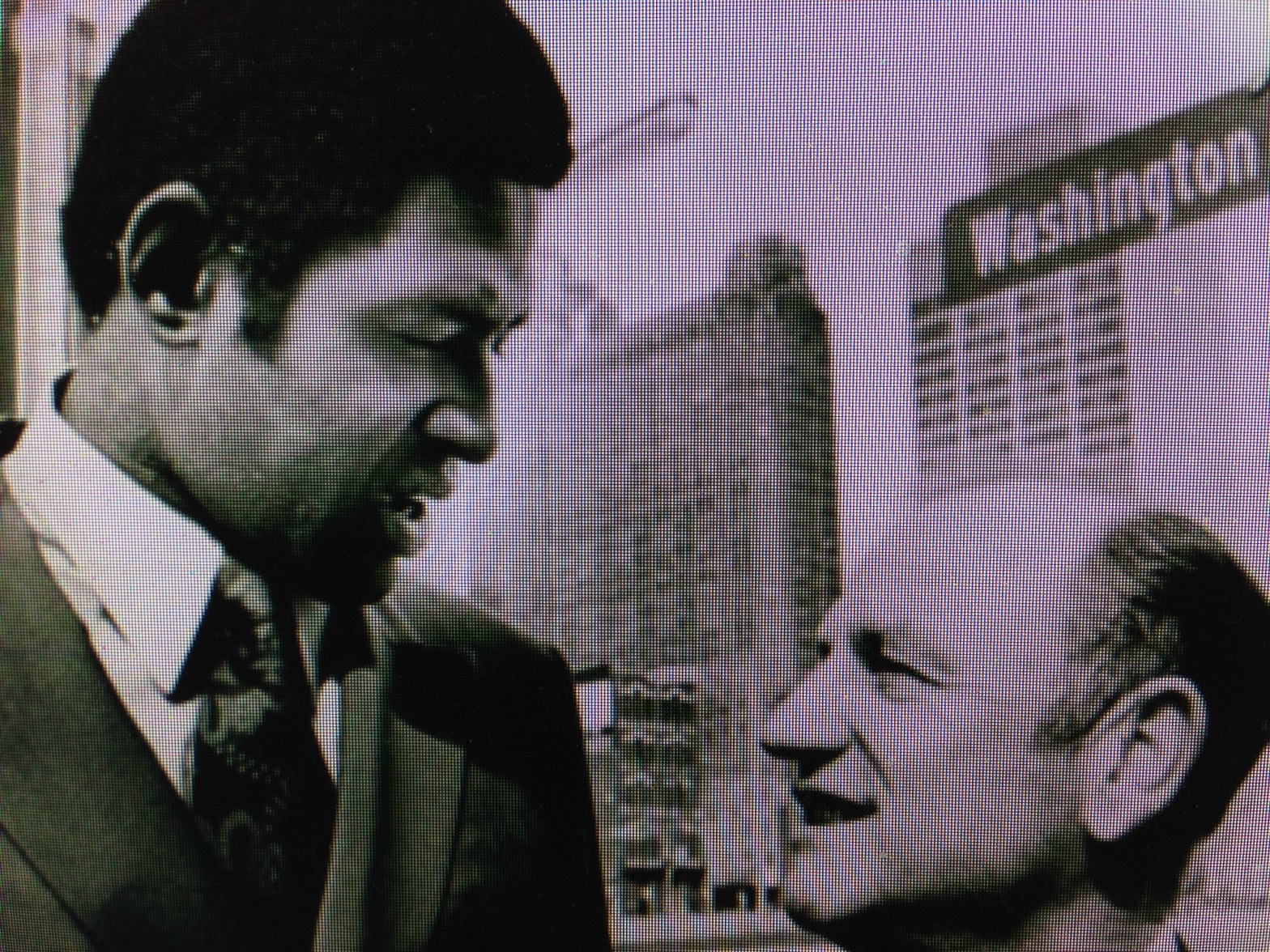
Just as he did as a player, Reed threw himself wholeheartedly into the job.
The Imminent Decline and Fall of the New York Knicks, 1975
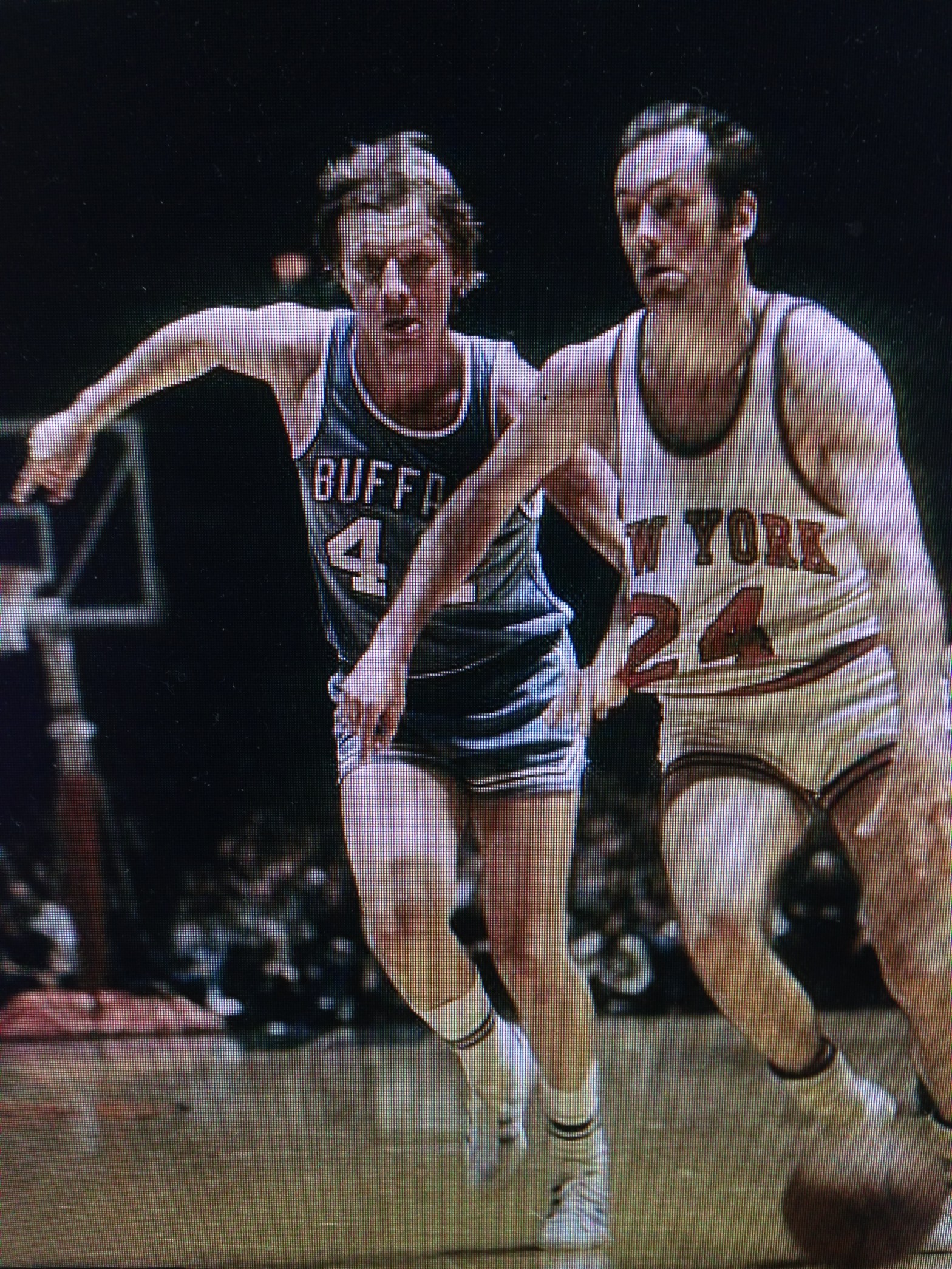
Basketball may be the No. 1 sport in New York, but the Knicks no longer will be kings of the NBA.
The Last Hurrah for Dave DeBusschere, 1974
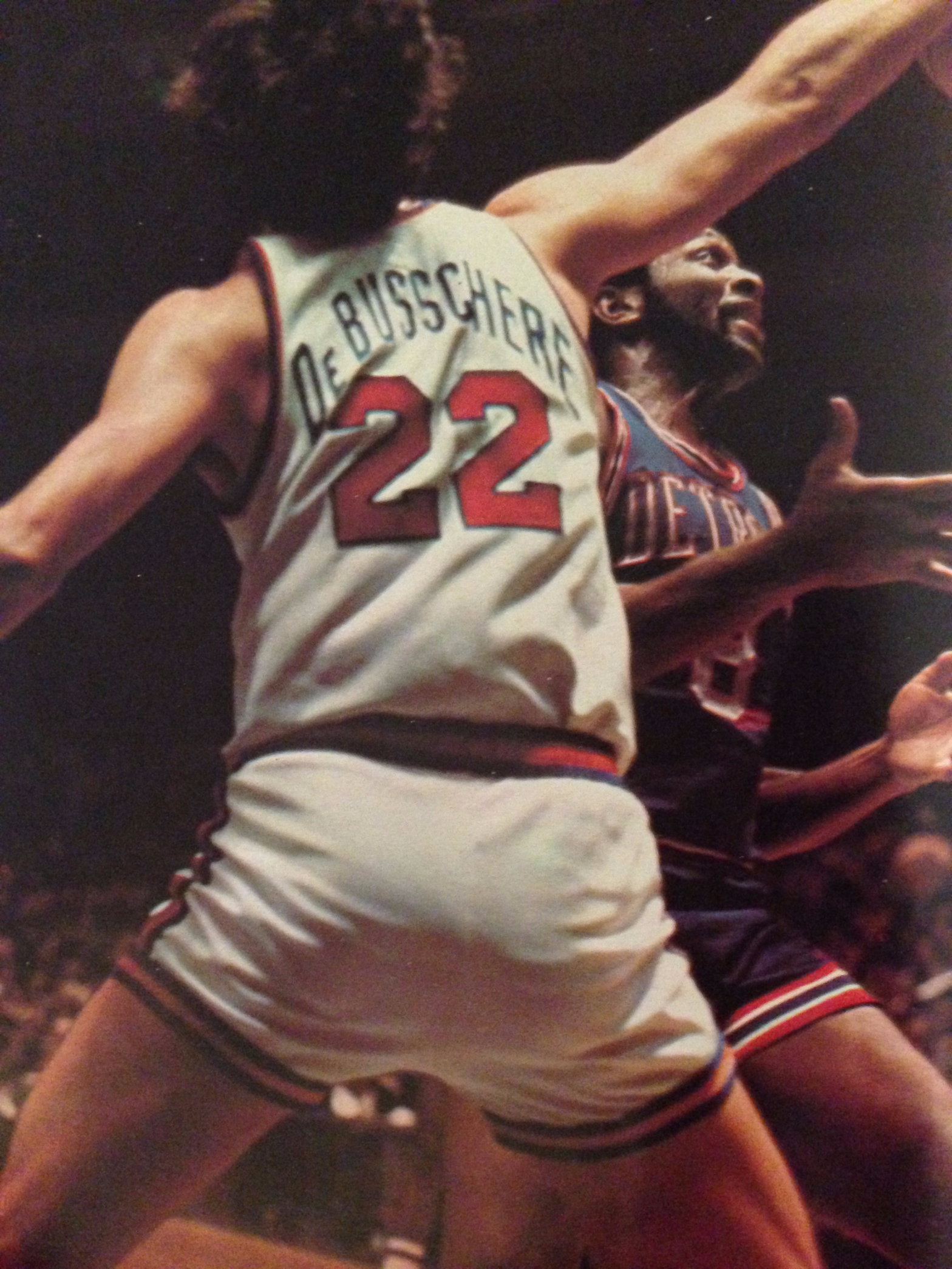
If you had to describe in one sentence the way DeBusschere plays, it would be this: He plays like a man trying to bring on a coronary.
The First and Final Year of Bill Bradley, 1973
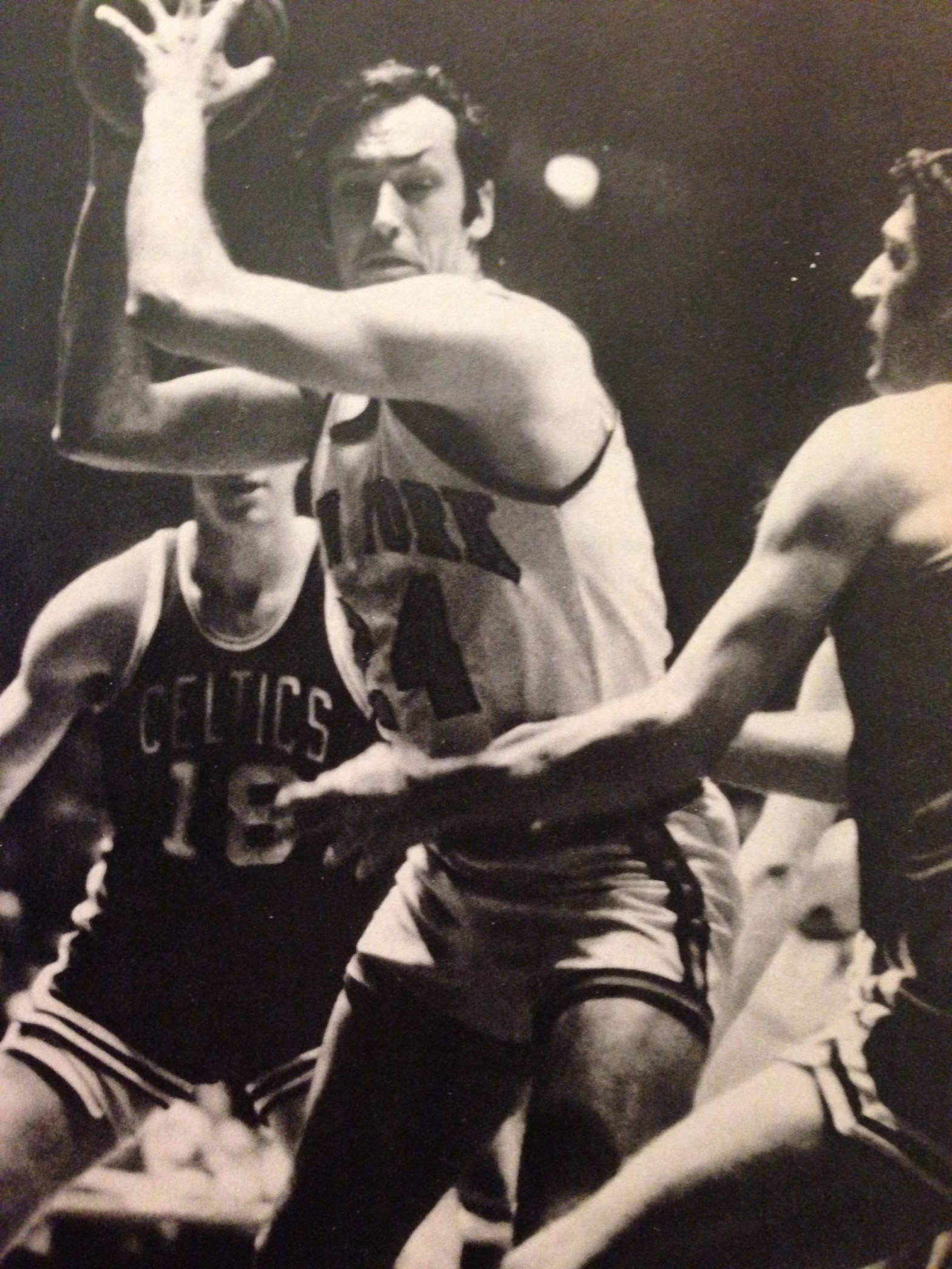
It isn’t easy to strip away the superlatives, to assess Bill Bradley calmly, to look at both the veteran pro and the rookie pol.
The NBA’s Five Toughest Arenas, 1975
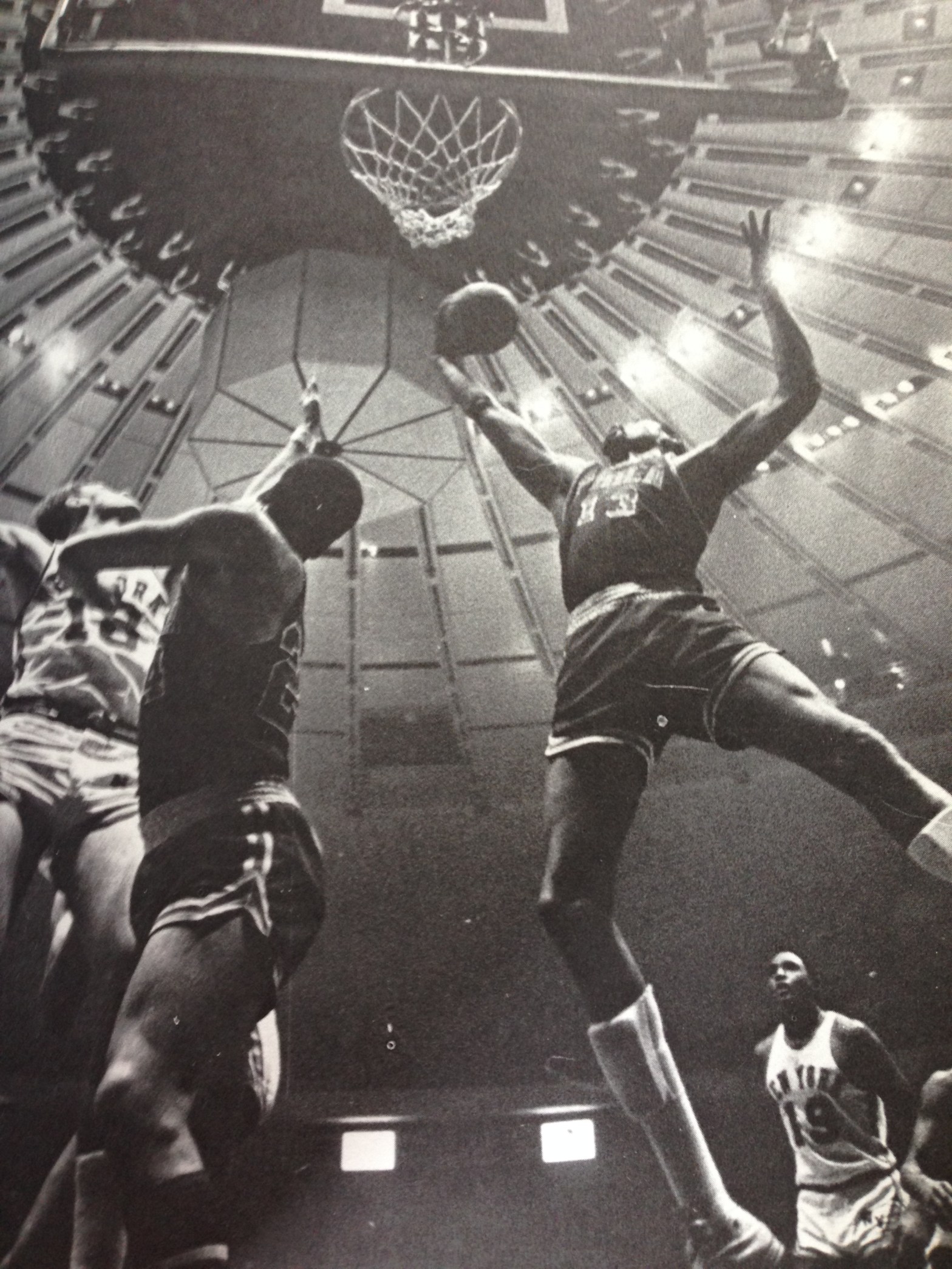
Despite the inexorable march of progress, some places in the league are still tougher to play in than others.
George Gervin: Chillin’ with The Iceman, 1988
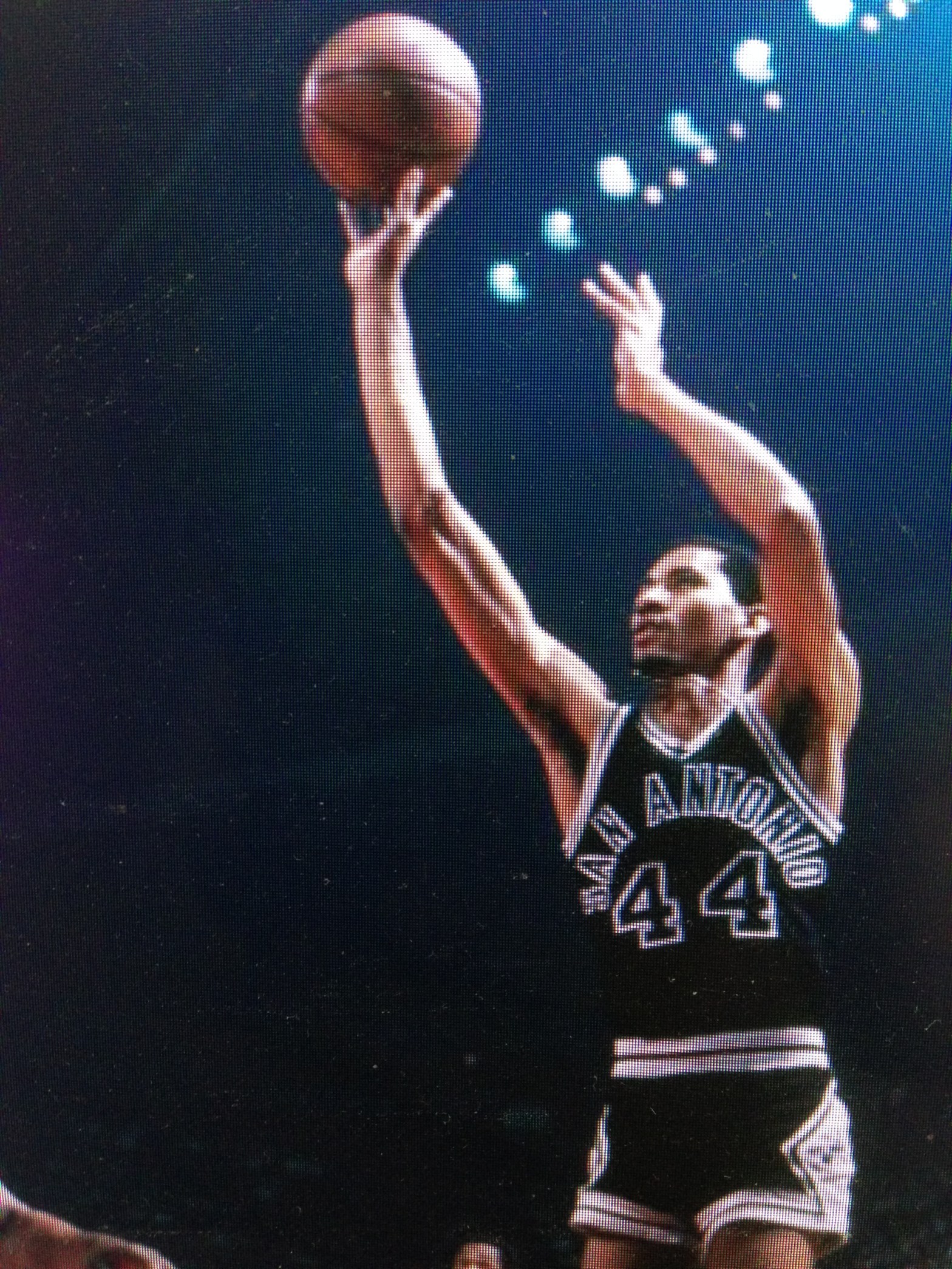
[No intro needed for George Gervin. His many career achievements and chill image precede him. In this article, which ran in the April 1988 issue of Basketball Digest, Glenn Rogers of the San Antonio Express newspaper checks in with the 35-year-old Iceman to mark an upcoming city-wide ceremony to fete their retired pro basketball heroContinue reading “George Gervin: Chillin’ with The Iceman, 1988”
Moses Malone: The Indestructible Sixer, 1984
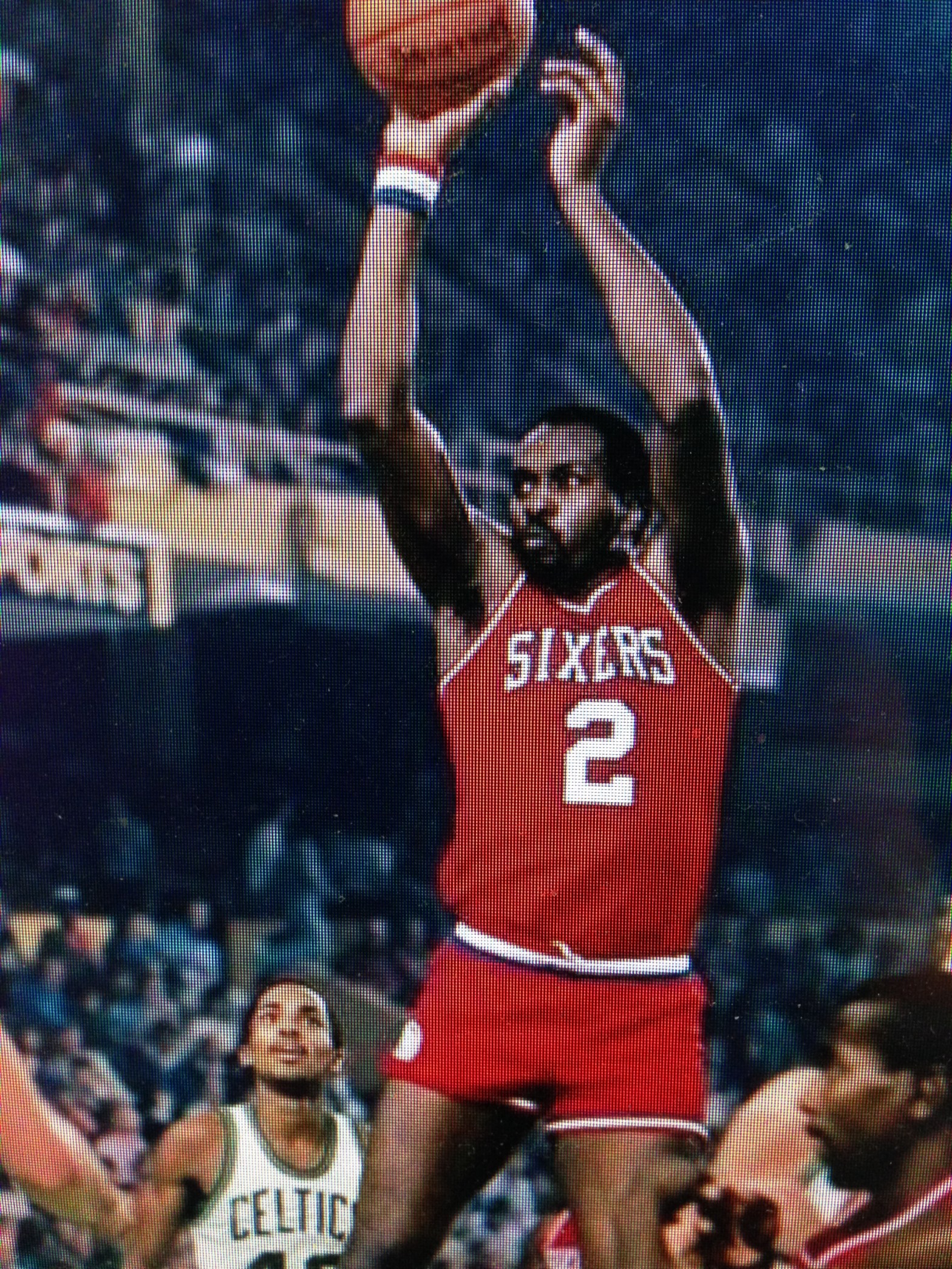
Moses Malone was the hard hat—6-foot-11, 255 pounds of steel-driving man. He showed up in overalls every night. And when everybody else was wobbly with fatigue, he was the guy still pounding rivets, drenched in sweat, a fierce scowl on his face.
LaRue Martin: One for the Record Books, 1984
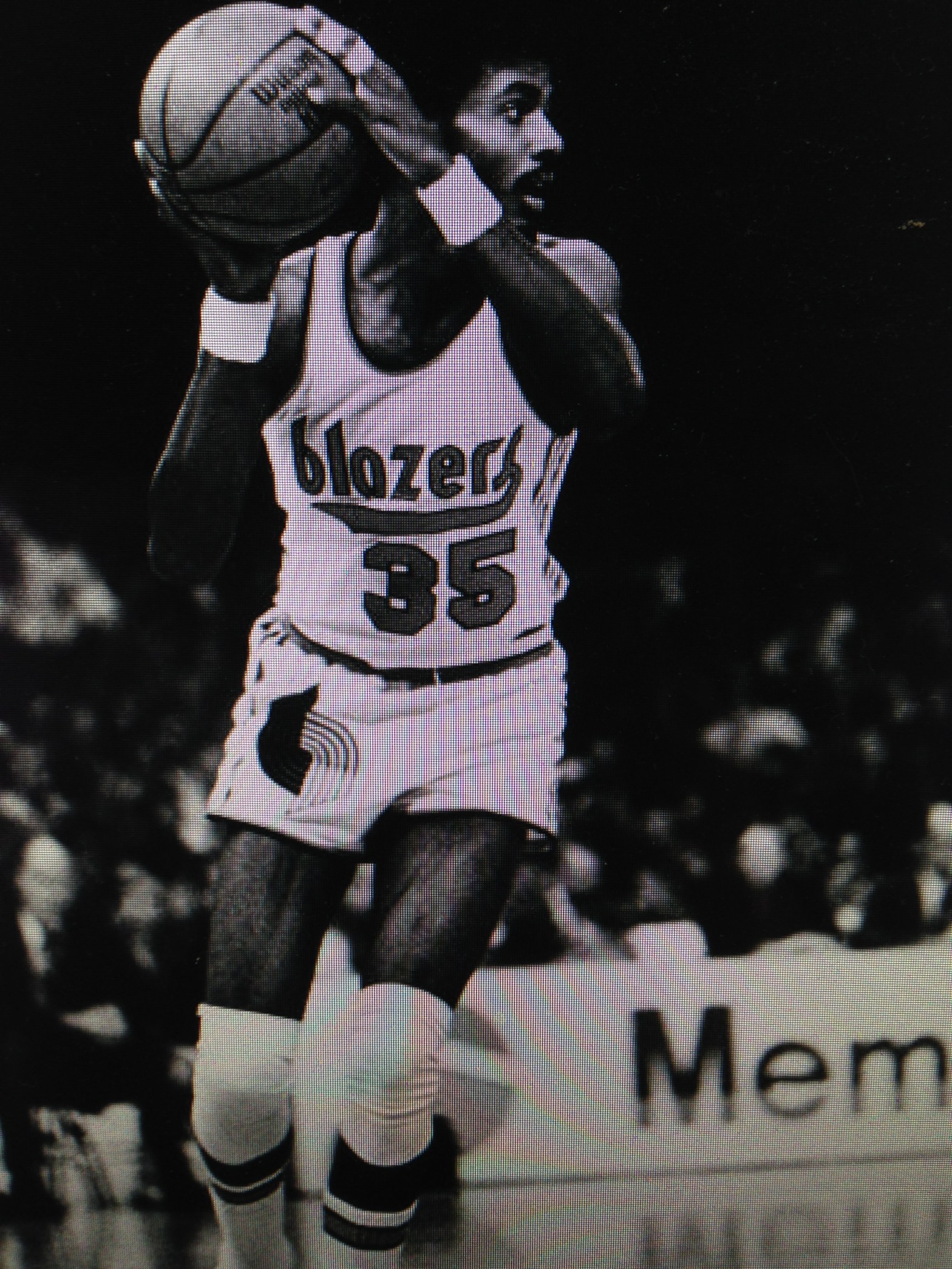
LaRue Martin doesn’t exactly consider it trivia. “I’m proud to have been the No. 1 draft choice, and it’s something they can’t take away from me,”

