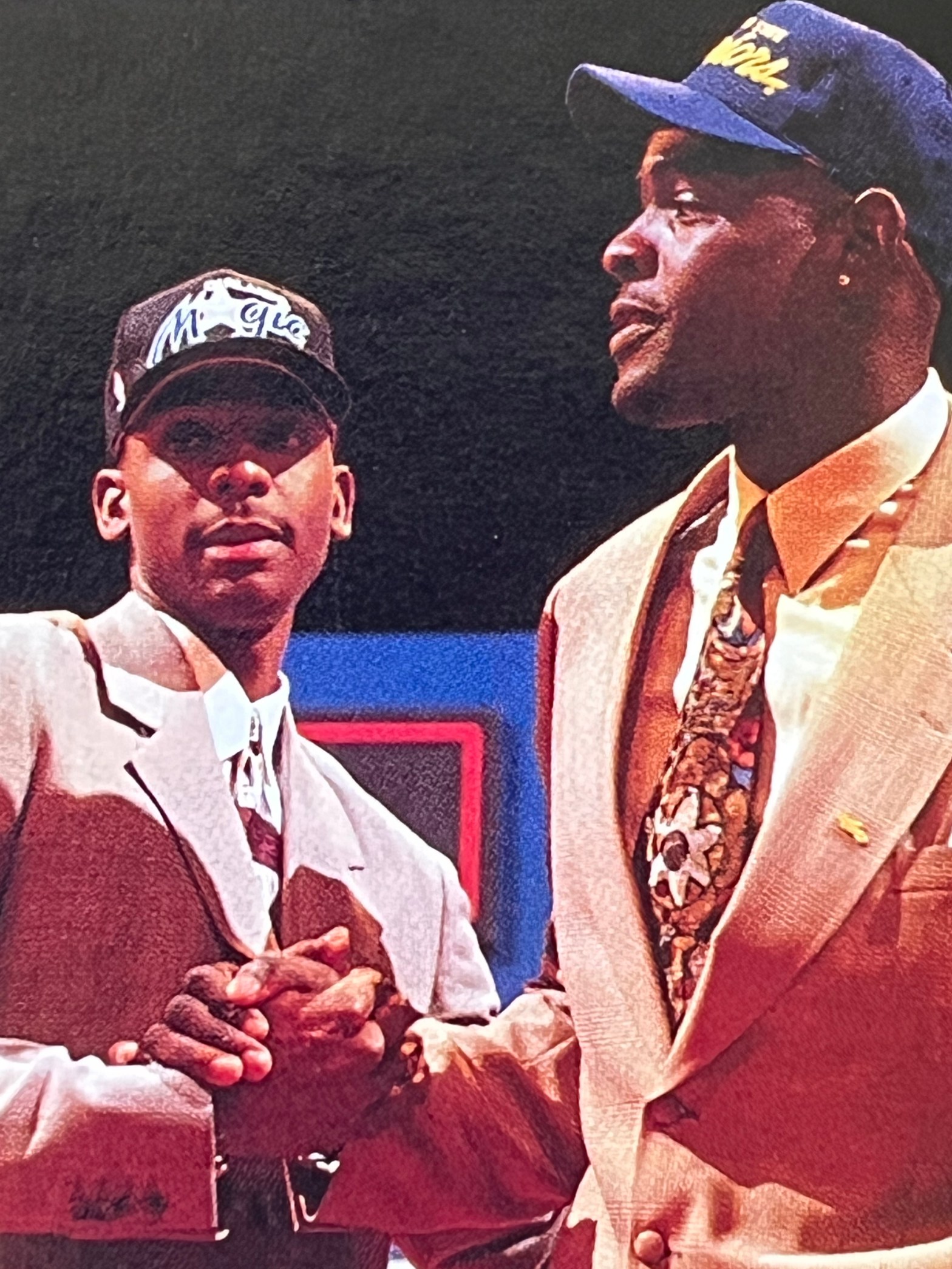
Chris Webber and Anfernee (Penny) Hardaway might try to juke comparisons to each other much as they would an overmatched defender, but there’s no dribbling around it.
Tag Archives: Golden State Warriors
Nate Thurmond: Welcome to the Machine, 1975
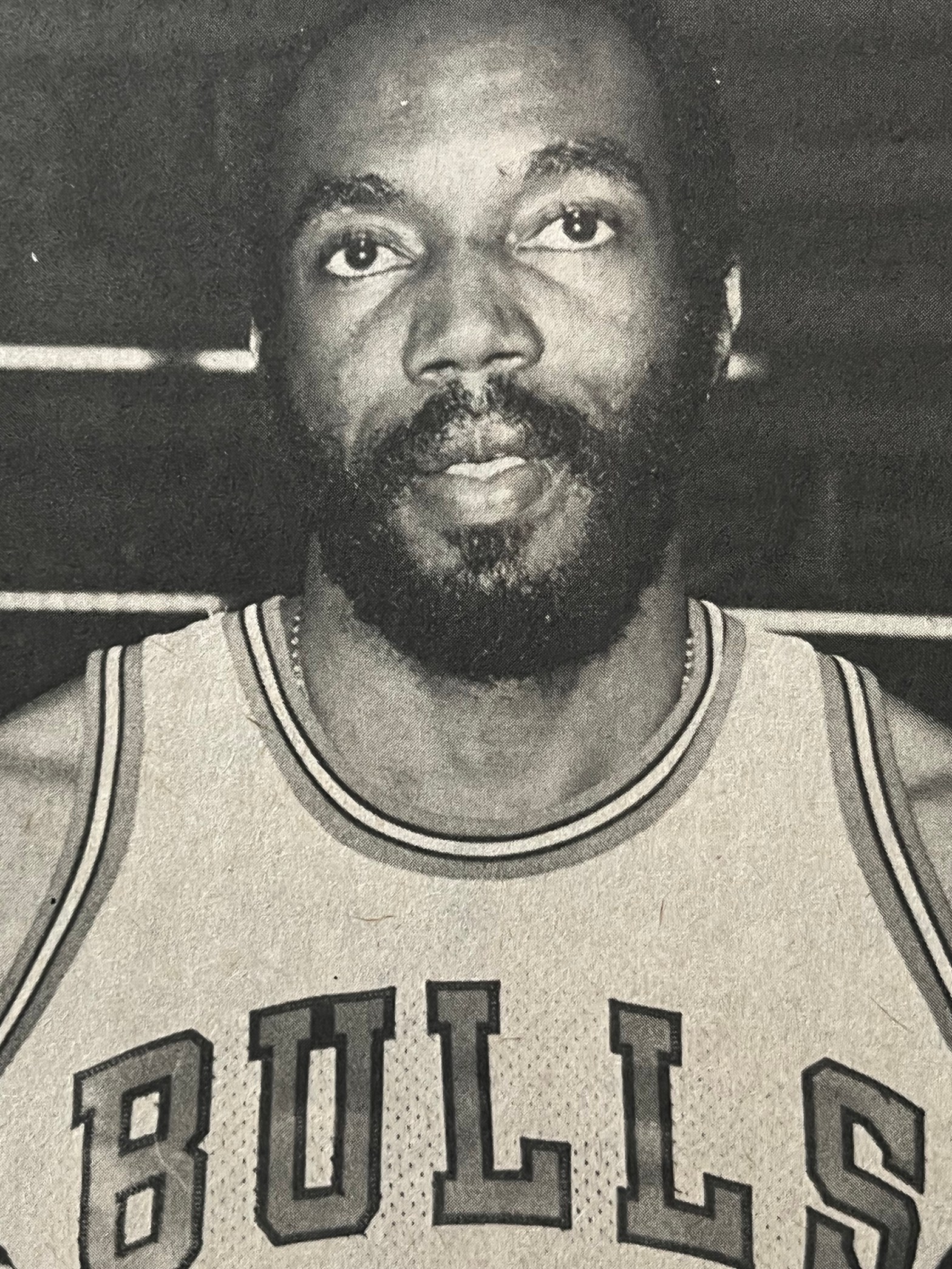
Dick Motta pretends not to count the years he will have Thurmond. He thinks instead of the years he didn’t have Thurmond. “I’ll tell you personally how I feel about it,” said Motta. “I’ve been in this league seven years, and I deserved the right to coach Nate Thurmond.”
Brooklyn’s Finest: Bernard and Albert King, 1984

By all accounts, Albert is still the polite, gracious kid he always was. The pros haven’t changed him one iota. The same isn’t true for Bernard. He’s changed dramatically.
Rick Barry: Why I Want Out of the ABA, 1970
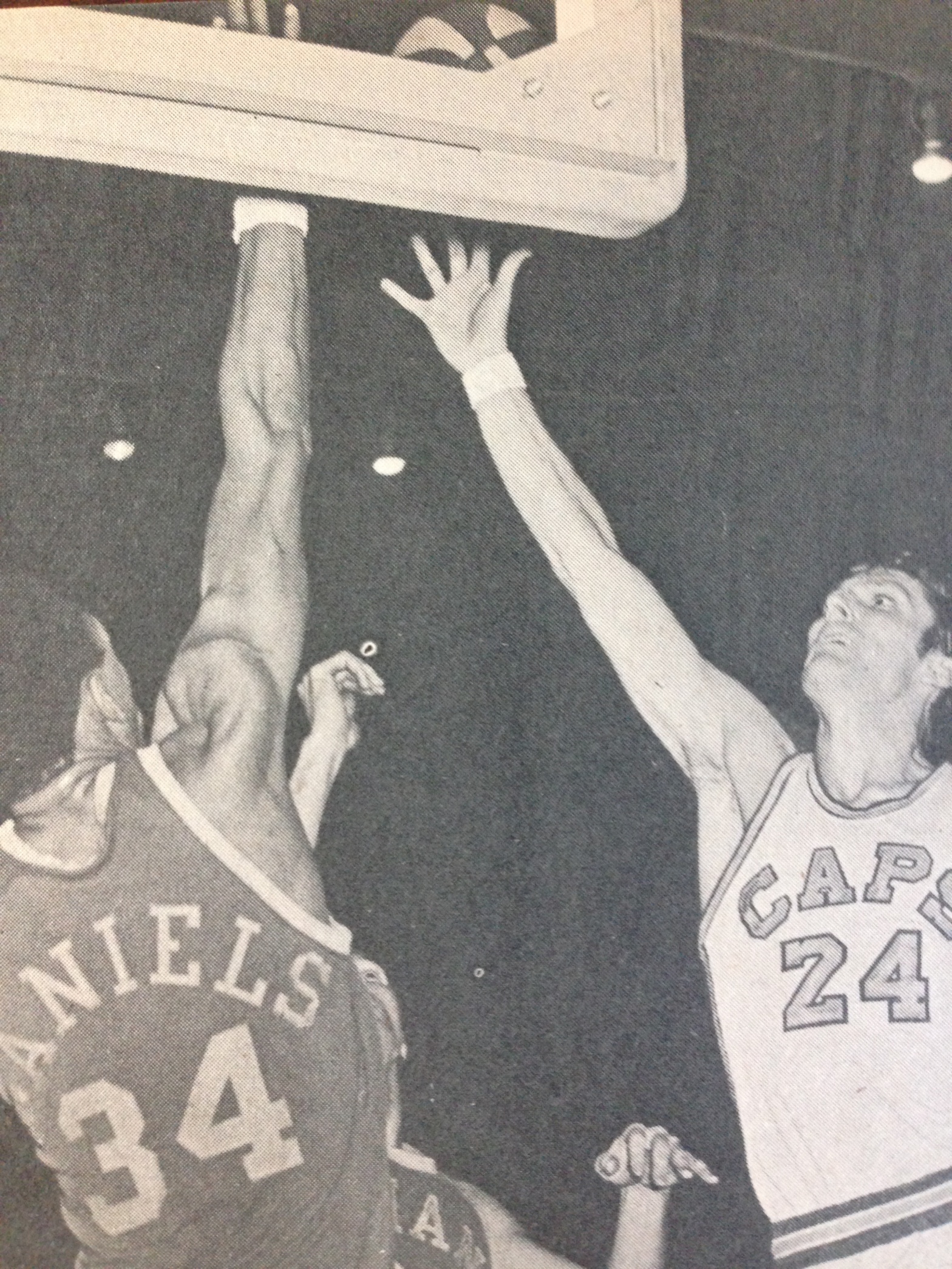
One day, I hope all this will be settled in court. Maybe the merger will help. Maybe then Franklin can do something to get me back where I belong. Meanwhile, all I can do is hope—one, that my knee holds up and, two, that I can go back home.
World B. Free: The Artist Formerly Known as Lloyd, 1983

There is a maturity about Free that had been missing before, partly because his Gus Williams-style balding pate, gives him a look beyond his years. But that maturity largely is due to his growth as an athlete, as a leader.
Bernard King Takes New York, 1985

King has forged a good life for himself back home and, in the process, given New York basketball the transfusion it desperately needed.
Chris Webber’s Growing Pains, 1996

They slap hands, and Webber heads for the locker room, where he straps on an ice pack, sits by his locker, and talks about his ultimate goal in life, the one above basketball, the one above everything. “I want to be a man of the people,” he says.
Tim Hardaway: Crosses Over to the NBA Elite, 1991

lready, learned observers are starting to ease him into the NBA point guard pantheon with Magic, Isiah, Kevin Johnson, and John Stockton.
As Right as Clifford Ray, 1975
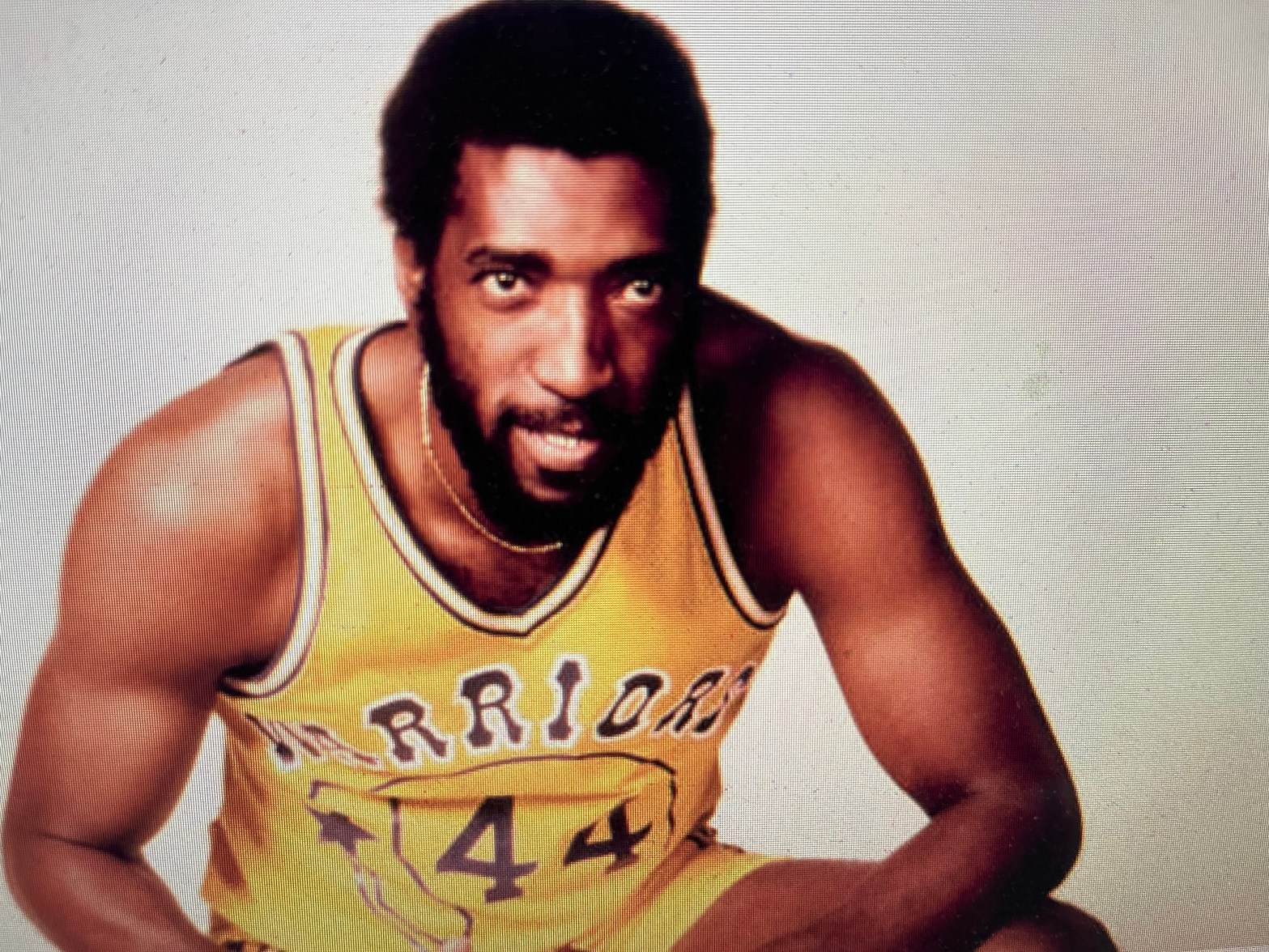
And through it all, Ray seeks one thing—respect—from his coach, from his teammates. And surely, from himself. “If you’re your own worst critic,” he feels, “you’ll always be all right.”
Rick Barry: Telling It Like It Is, 1967
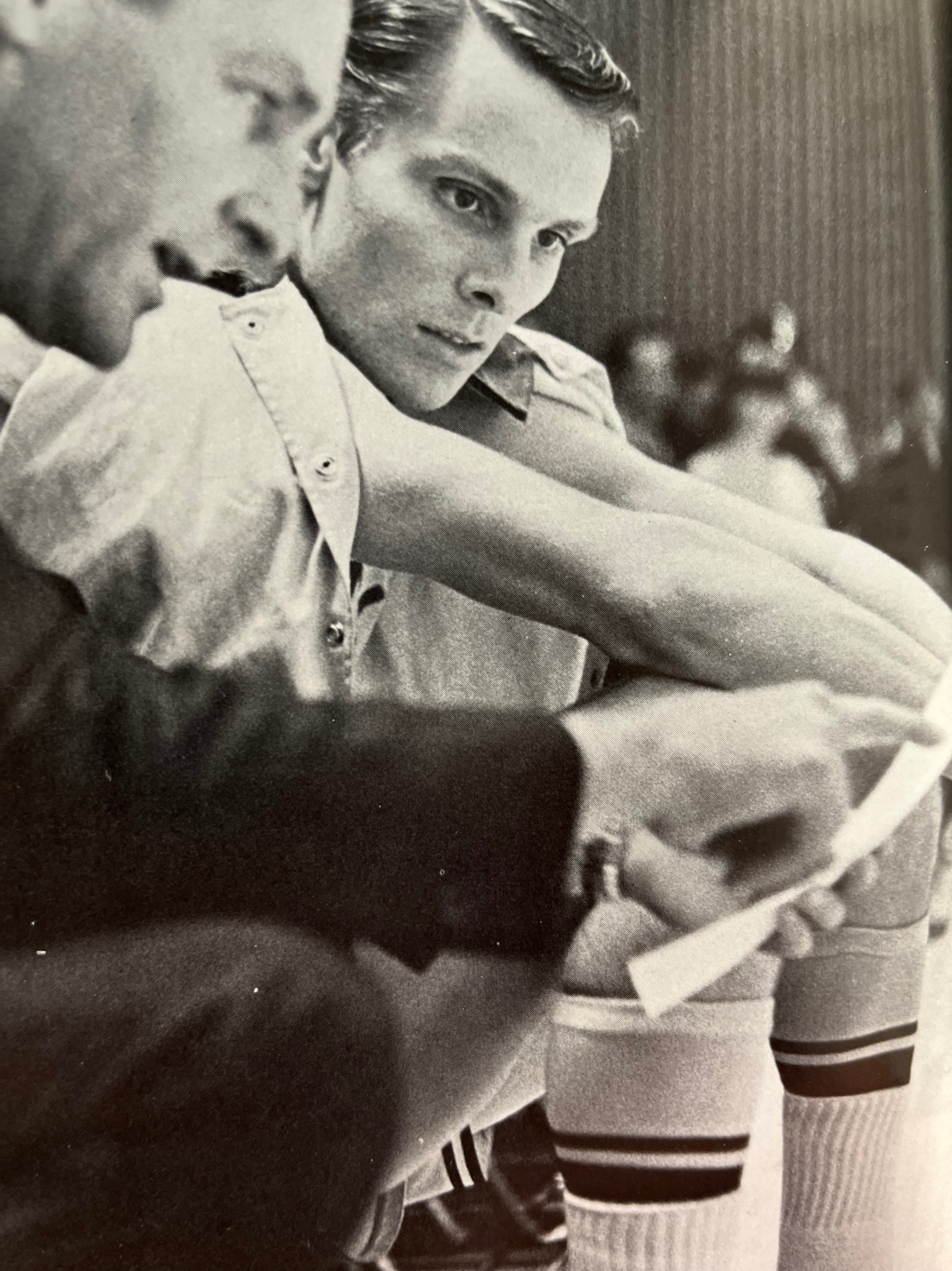
For me, basketball has always been fun. Under Bill Sharman, it was no fun.

