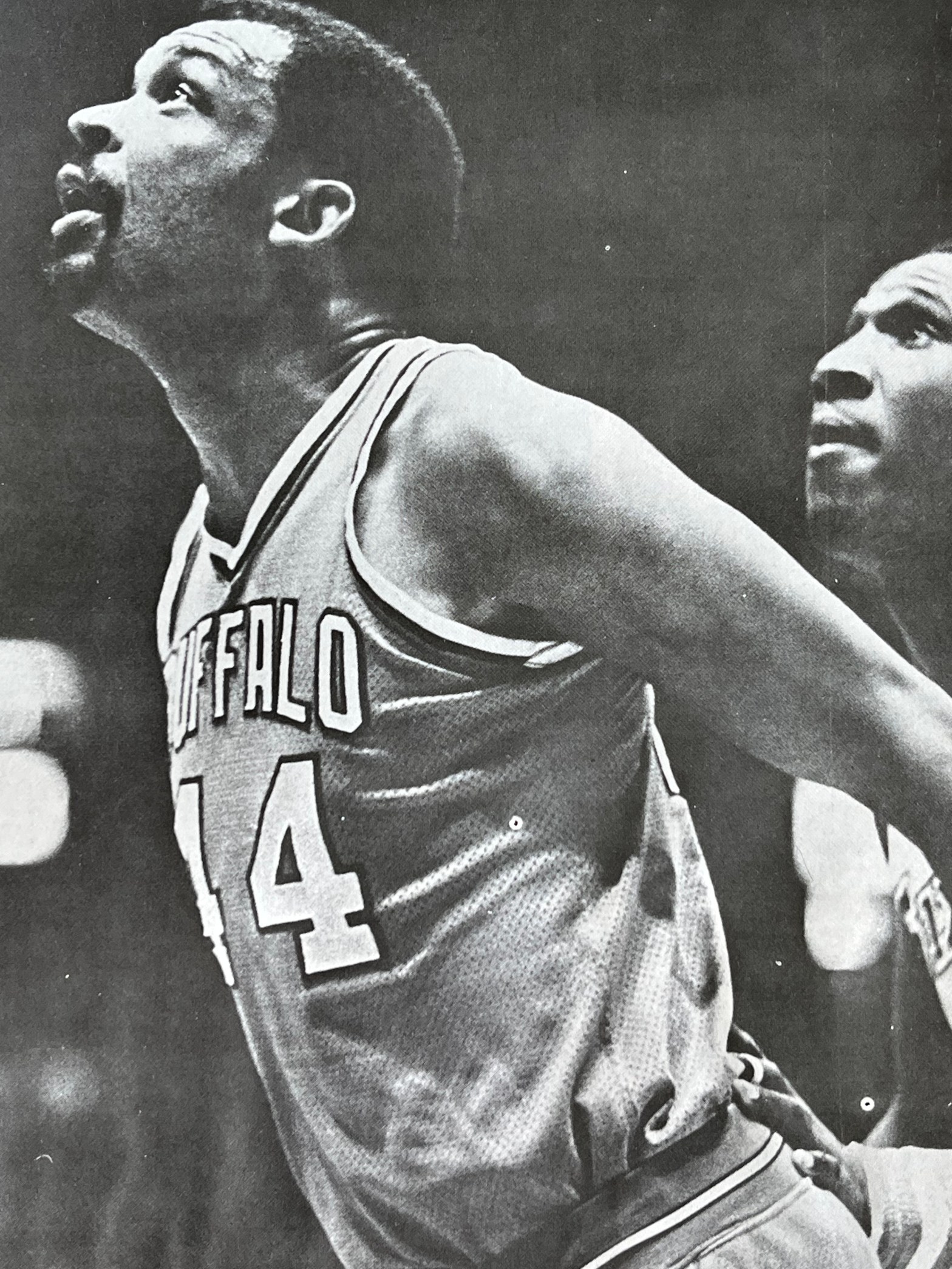
Even so, Jim McDaniels couldn’t help but admit that it’s been a while since he’s felt half as good as he does these days. It’s every reason why to McDaniels didn’t even mind the Buffalo winter. You can believe he’s gone through a lot colder winters in his time.
Tag Archives: Joe Caldwell
Diary of the Jim McDaniels Affair, 1973
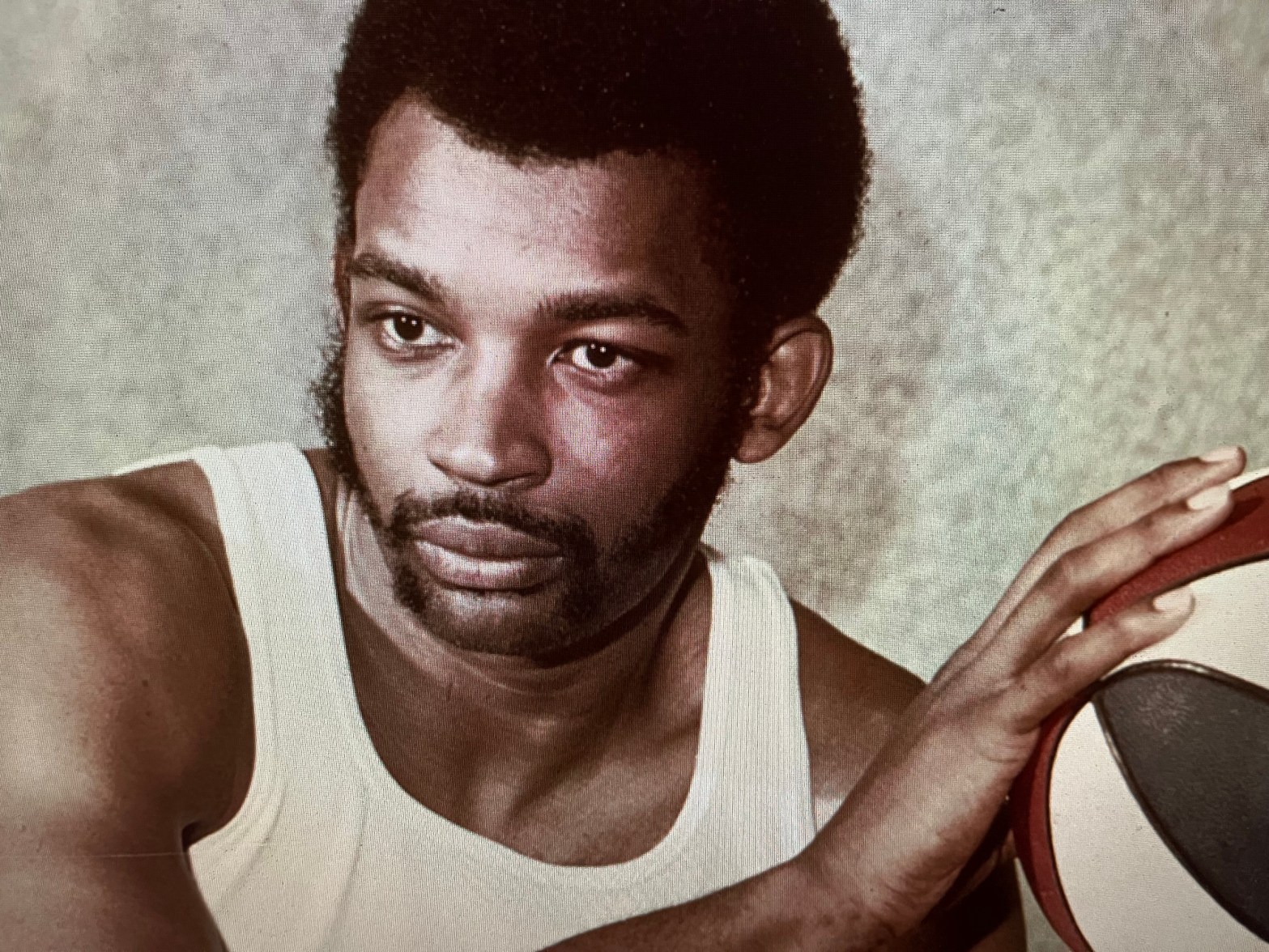
Was there any appealing to Mac’s sense of loyalty to his teammates? To the rest of this season only 25 games away? To a season that was finally turning around to favor us making the playoffs? There was none.
Lou Hudson: Superstar in Transit, 1970

But the high point of that season for Hudson—what can be called a pivotal point in his career— came when Guerin decided to permanently move Lou to guard. And the coach wasn’t very subtle about it.
Rick Barry Discusses: Is the ABA As Good as the NBA? 1973

The National Basketball Association is better than the American Basketball Association, but it is no longer a great deal better.
Joe Caldwell: Can I Get a Witness, 1975, 1993
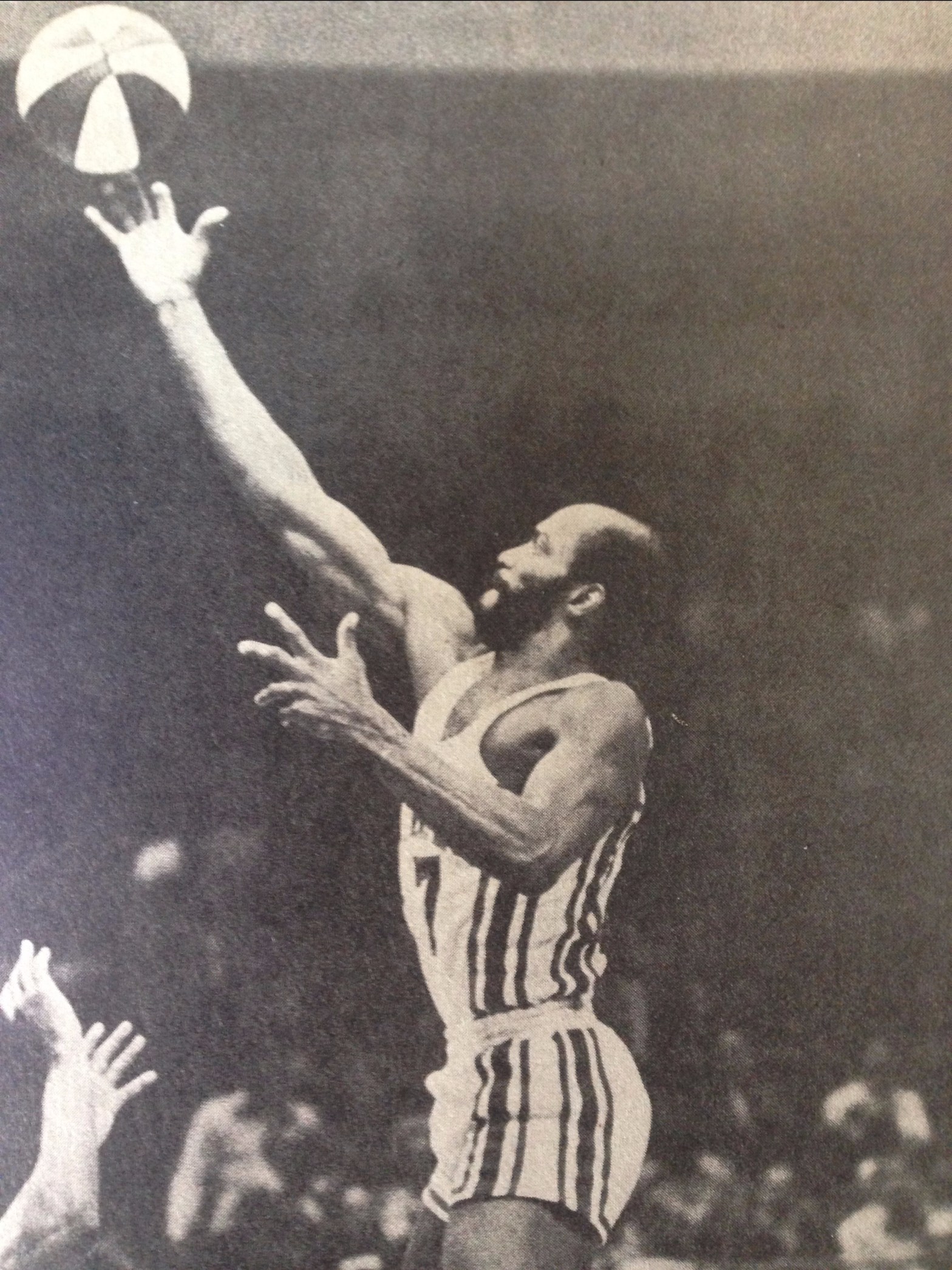
The boycott of Caldwell was an extreme form of intimidation because it destroyed the career of an established, star player.
Billy Cunningham: Tale of Two Leagues, 1974
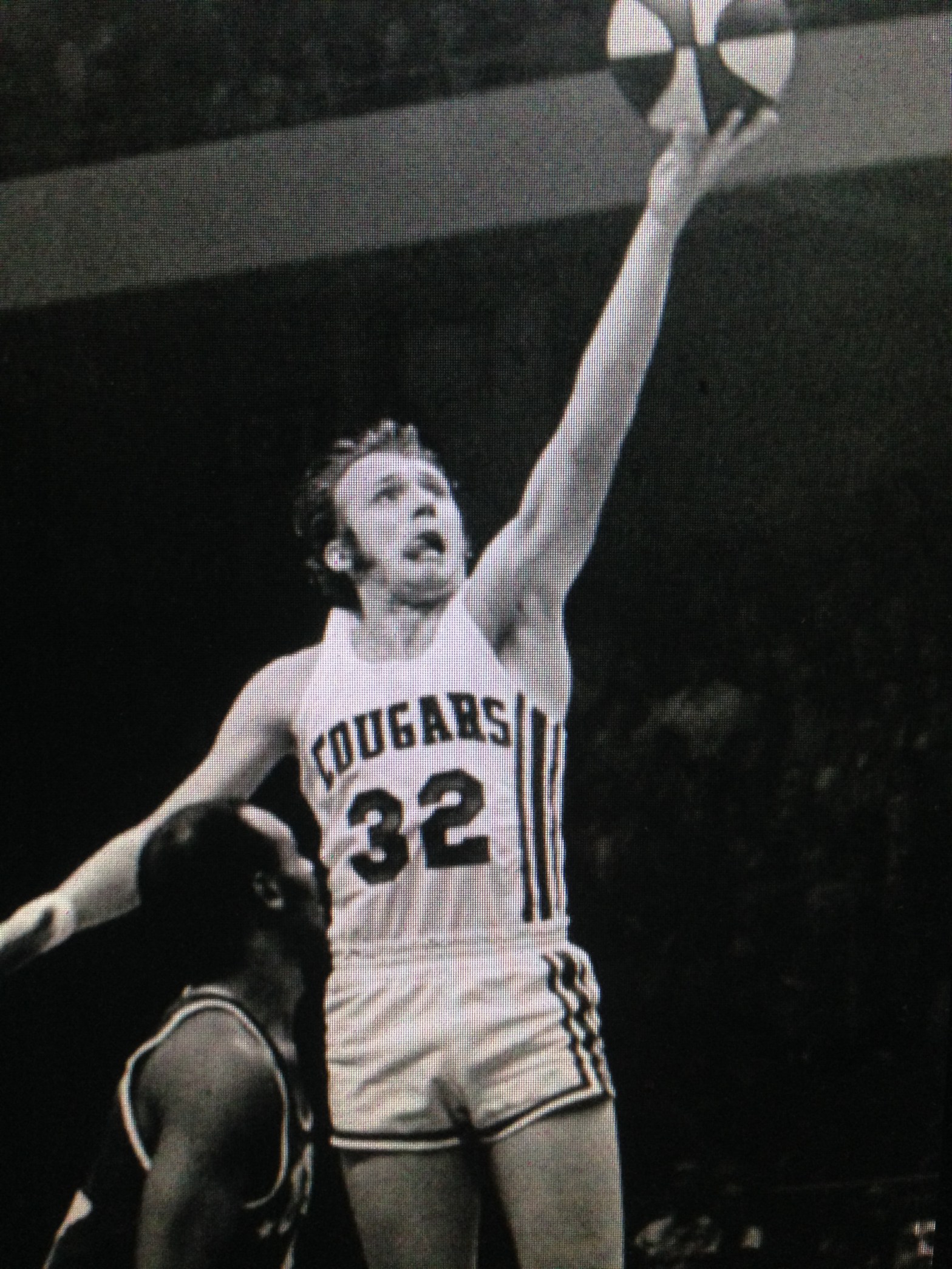
“It’s a different life four months a year. I get up when I want to. I don’t play basketball at all. I visit friends and stay with my family. As a professional, I live in two different worlds. I live two different lives.”
Who Are the All-Time Greatest Slam-Dunk Artists? 1977
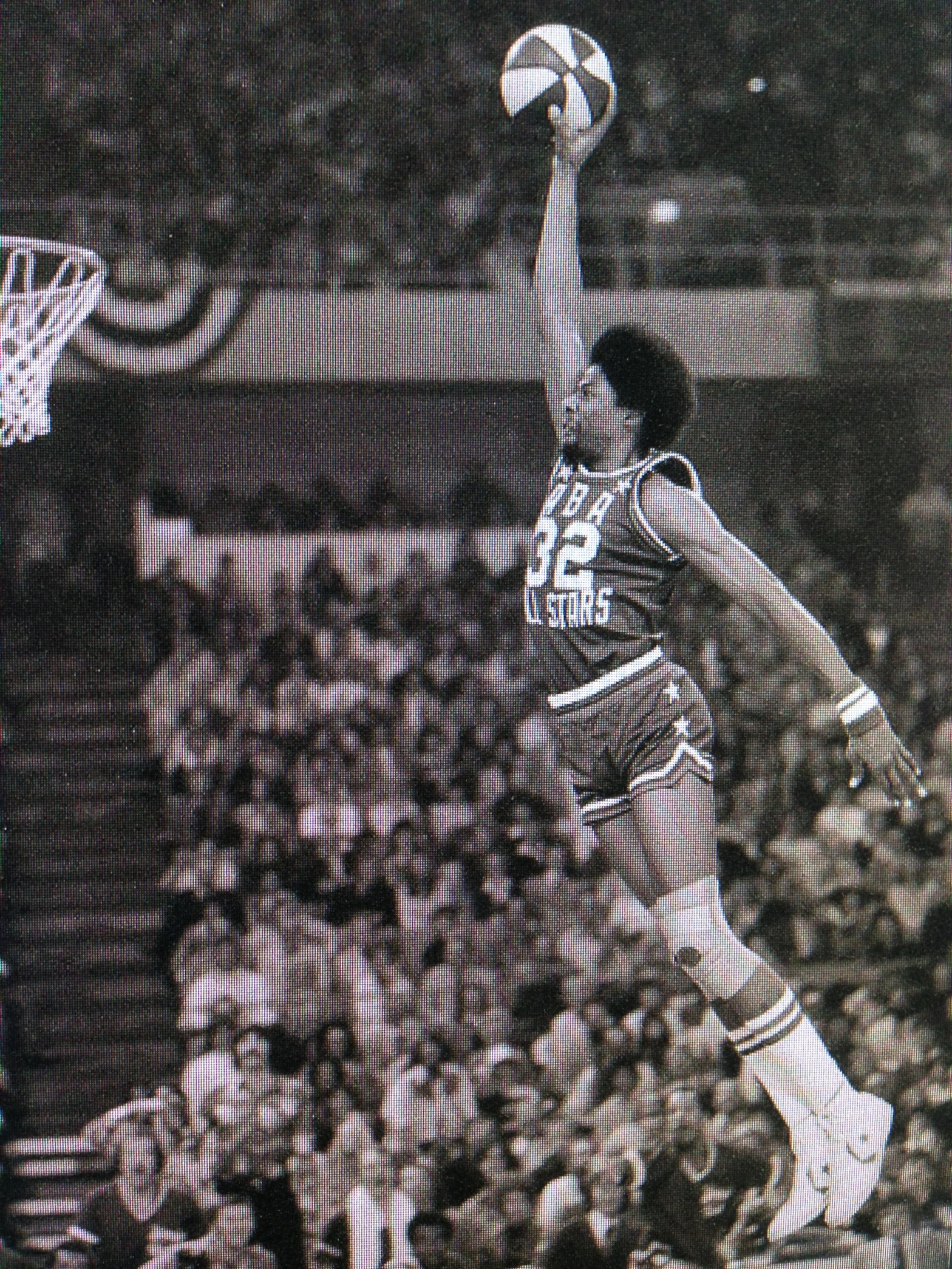
Dr. J. is the slam-dunk champ of the ABA. Won it fair and square at halftime of the league’s All-Star game last winter.
The Pistol and The Pressure

Pete Maravich, uptight but still able to laugh at himself, admits that unless he calms down soon, “I may have to get my stomach pumped out before games, same as I get my ankles taped.”
The Pressure on Pistol Pete
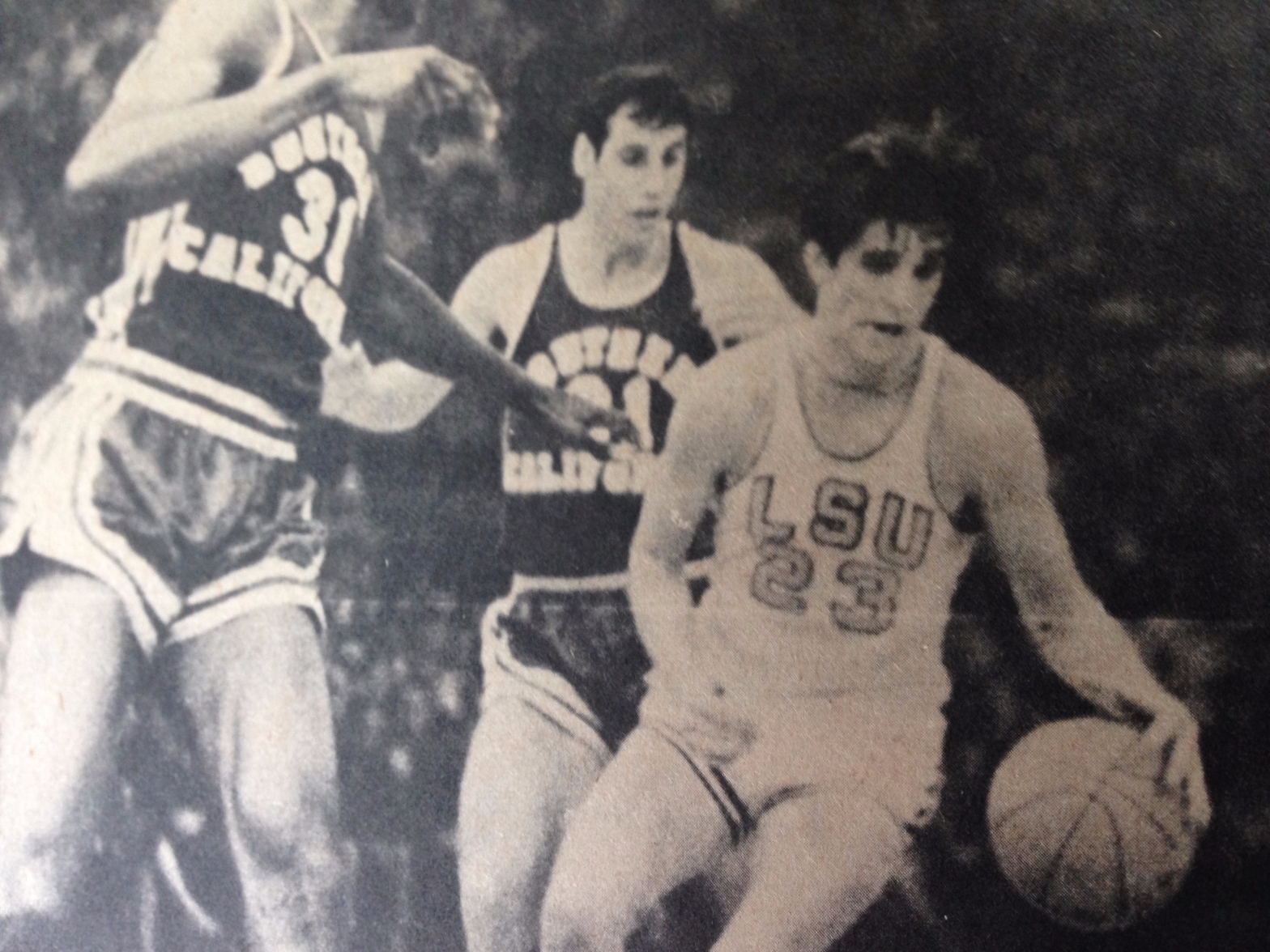
Today, Pete Maravich is remembered as one of the iconic NBA figures of the 1970s. Less well known is that Maravich entered the 1970 NBA draft as the college superstar whom nobody wanted. For most NBA general managers, drafting Maravich seemed about as dangerous as volunteering to stand blindfolded before a firing squad. The danger came not from Pistol Pete. He was considered a good kid. It was the double-barreled barrage of attention behind him that would be unsurvivable.
 From Way Downtown