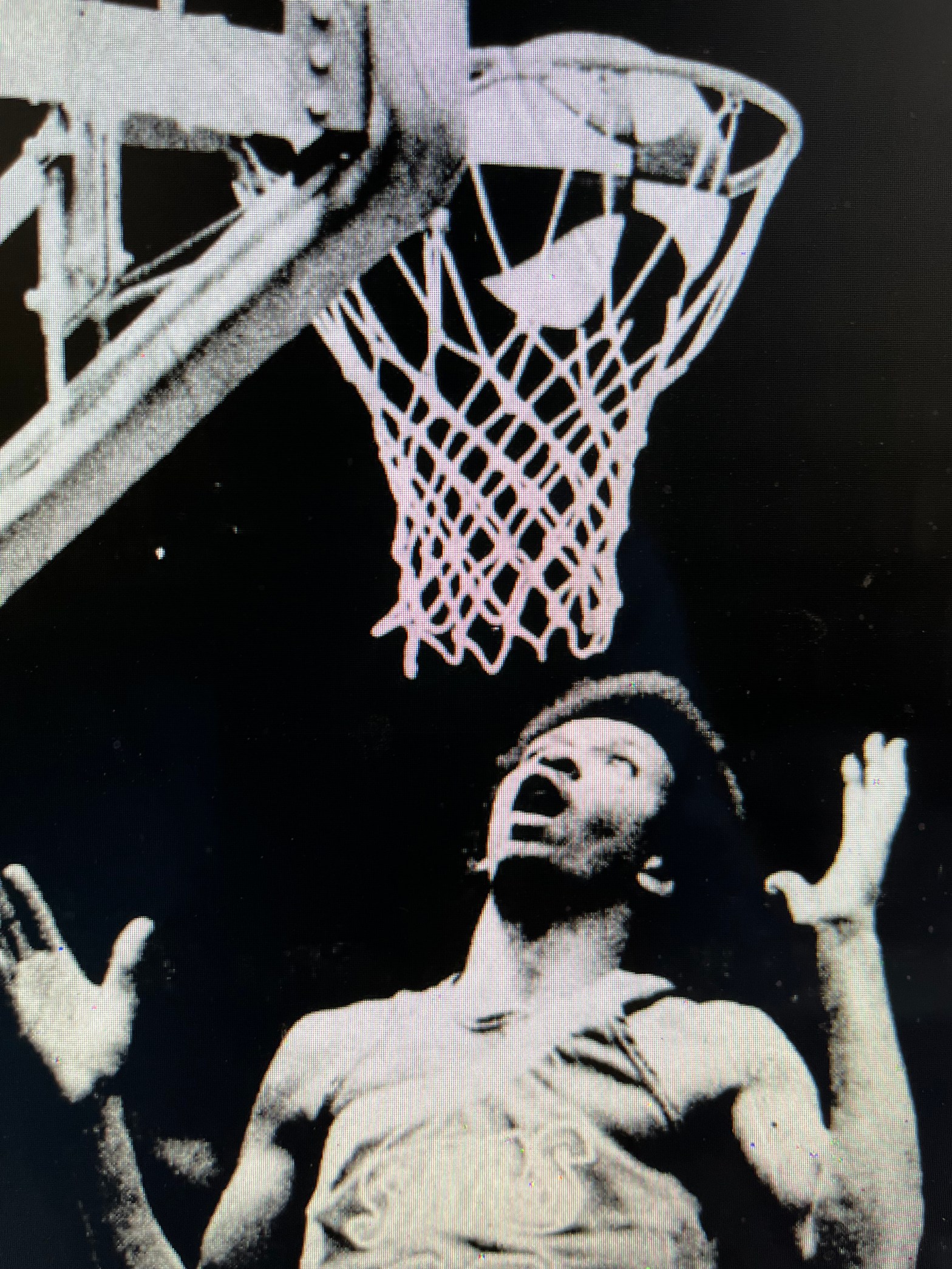
Guaranteed, the Stars will not hesitate in playing him as often as possible this season. He is too valuable a commodity—and too good a product, both on and off the court—to waste sitting on the bench.
Tag Archives: Moses Malone
Terry Catledge: Cat Man Do, 1991
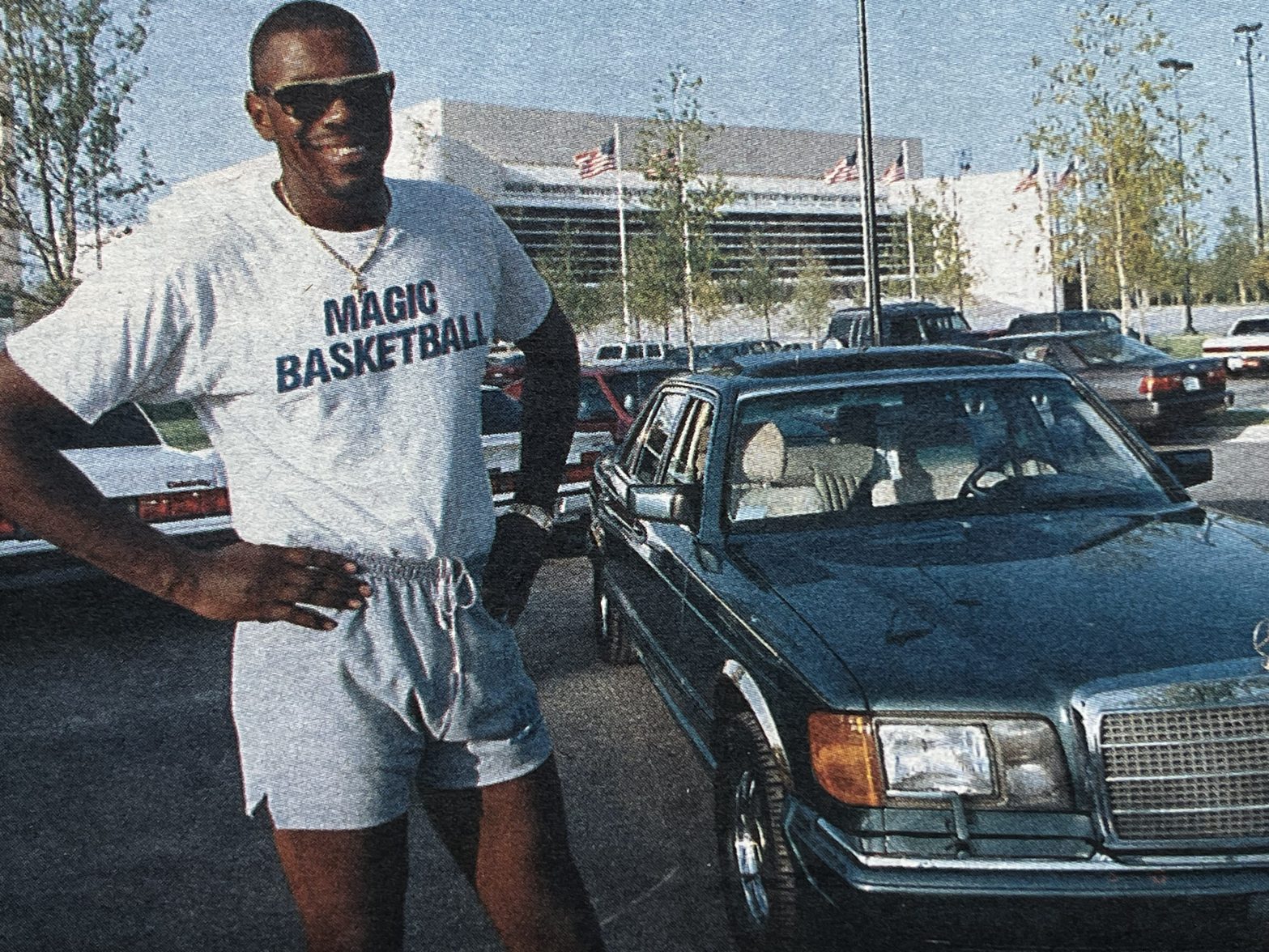
By the time the Magic’s inaugural campaign had drawn to a close, Catledge had won himself a home.
Billy Cunningham: Confessions of an Ex-Coach, 1988
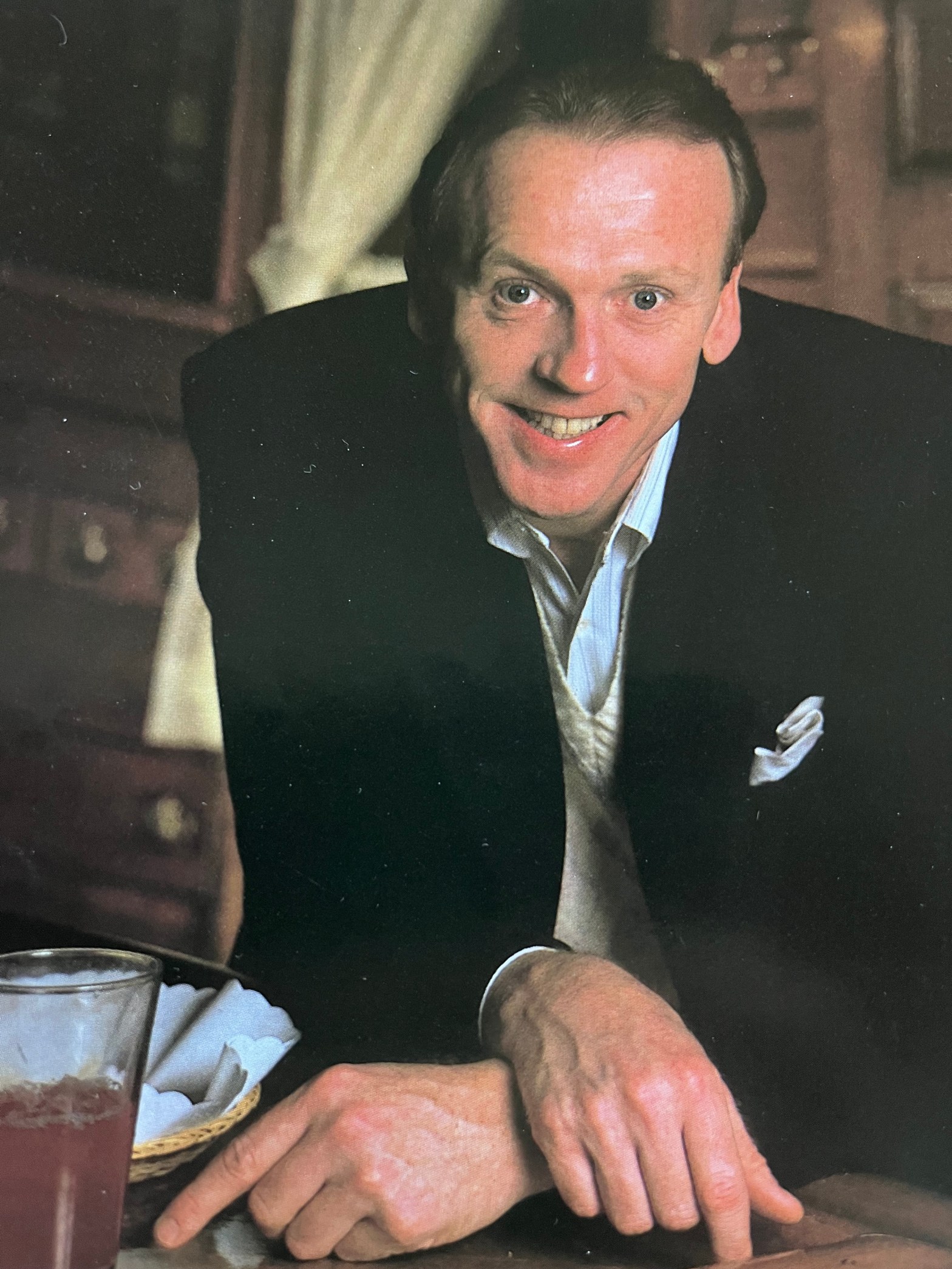
Once you become a coach, you look at the game differently. I began to believe in creating your offense from the defensive end of the court. And, I think the 76ers became a very good defensive ballclub.
Dismantling the Buffalo Braves, 1977

Speaking of rebuilding, it might be instructive to dwell briefly on how the Braves were razed and/or disassembled in such a short time. It is somewhat disconcerting to note that there are exactly two players—count ‘em, two—remaining from the team, which opened league play a season ago, in the autumn of 1975: Randy Smith and Ernie DiGregorio.
Bill Cartwright: Is He Mean Enough to Make It Big? 1980
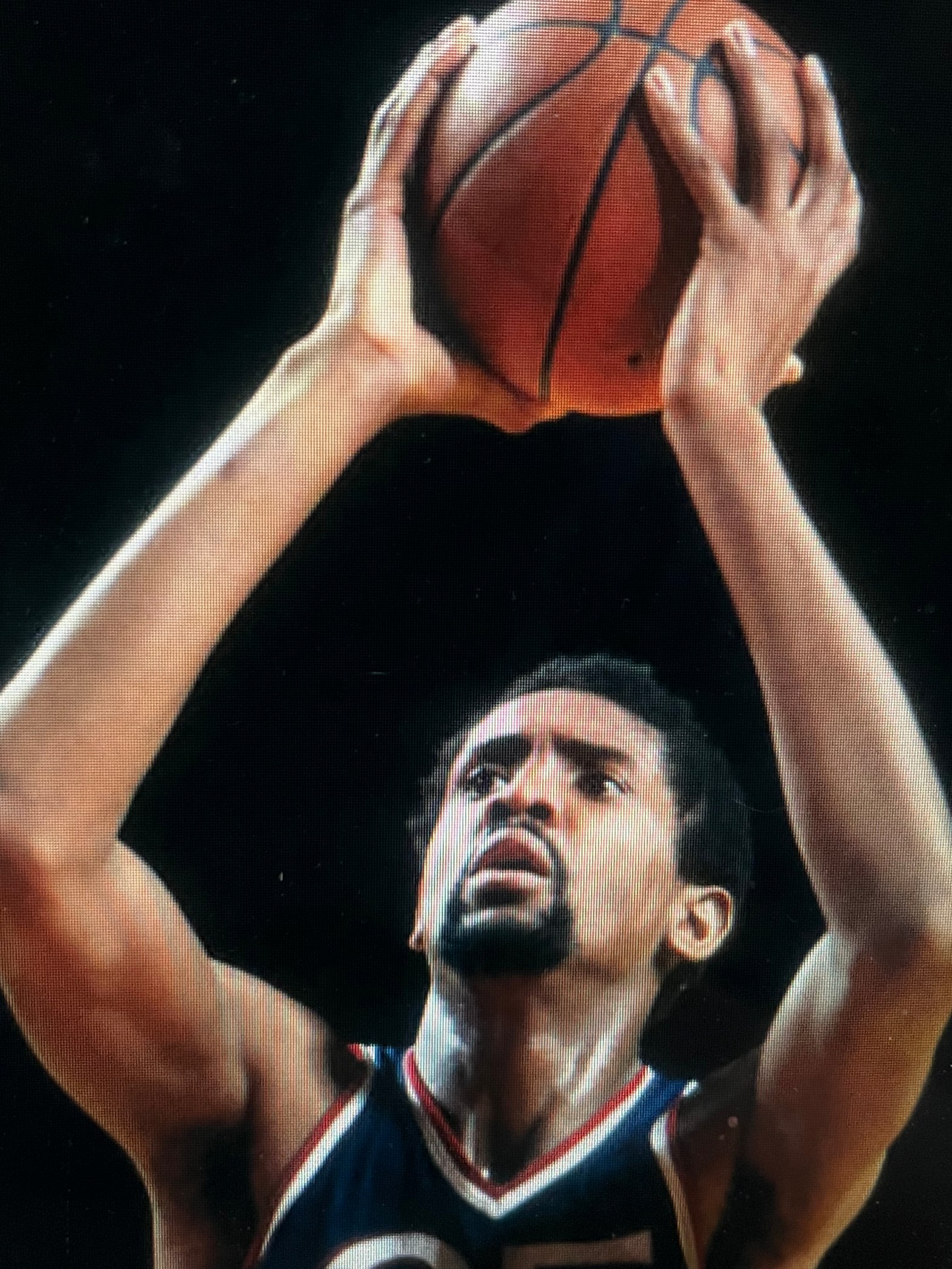
Veterans do not like being outplayed by rookies, and they will do whatever they can—within the rules or without—to gain an advantage. Cartwright had the additional problem of being labeled, “a very nice guy.”
It’s Murder Under the Basket, 1976

No officiating changes are going to eliminate rough play from professional basketball. It has become part of the game, every aspect of it.
Moses Malone: Capturing the Real Mo, 1981

Malone, in a characteristic bit of understatement, says, “I love to make my defensive man work.”
George McGinnis’ Thoughts on His Old ABA Colleagues, 1976
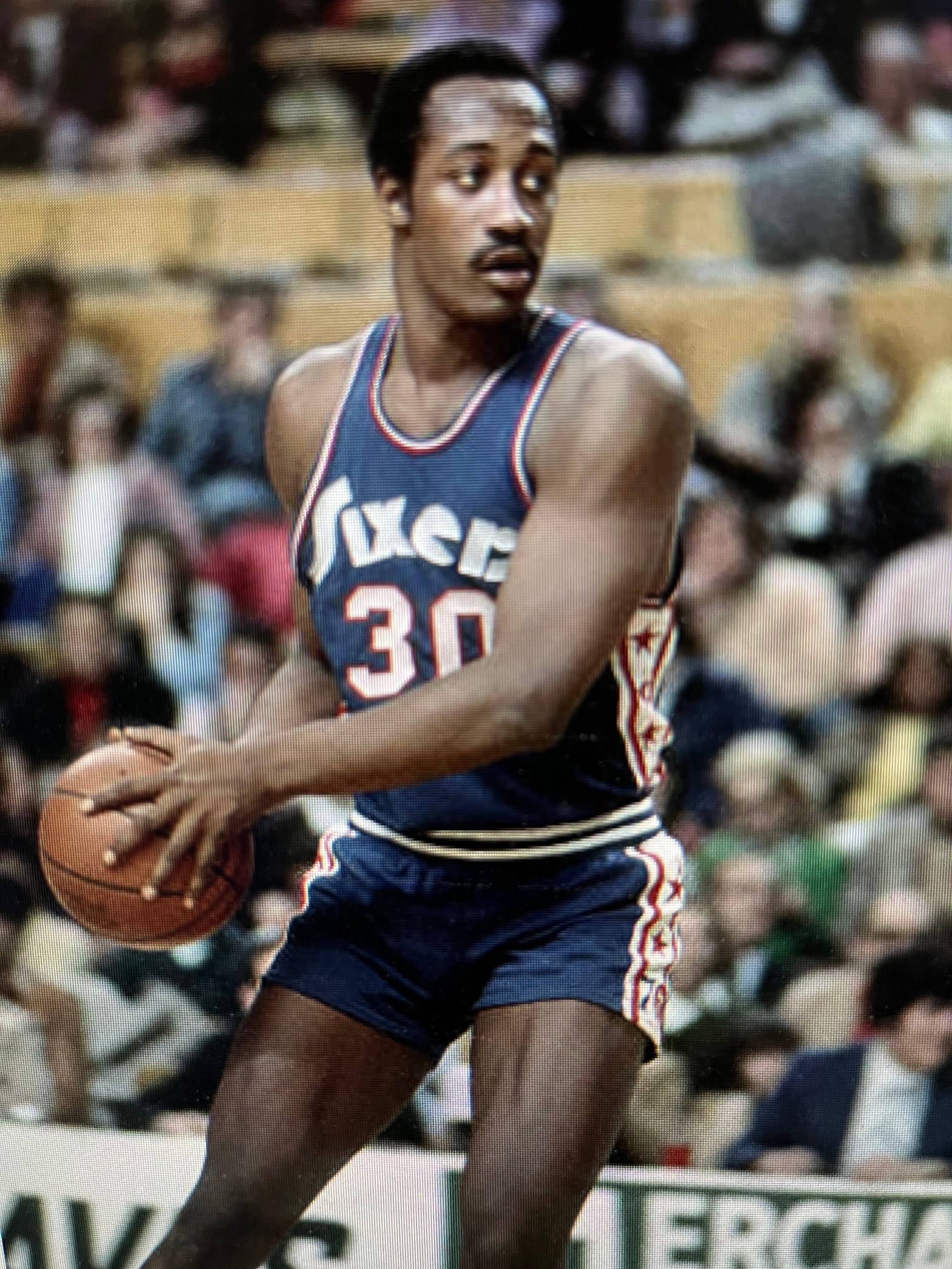
“People want to find out about these (ABA) guys. You know, if I had stayed my whole career with the ABA, that was something they’d always say about me. It probably would have been on my mind, too.”
Maurice Cheeks: Still Going Strong, 1988

Maurice Cheeks, at 30, is suddenly the oldest Sixer, even if he does not feel it. He is a leader, even if he does not want to be one. He is a spokesman, even though he usually prefers to say little.
Elvin Hayes: The Meaning of the Letter E, 1982

“I’ve achieved. I would be backtracking to compare myself with the younger players in the league today. They’re still trying to prove what I already have achieved.”
 From Way Downtown