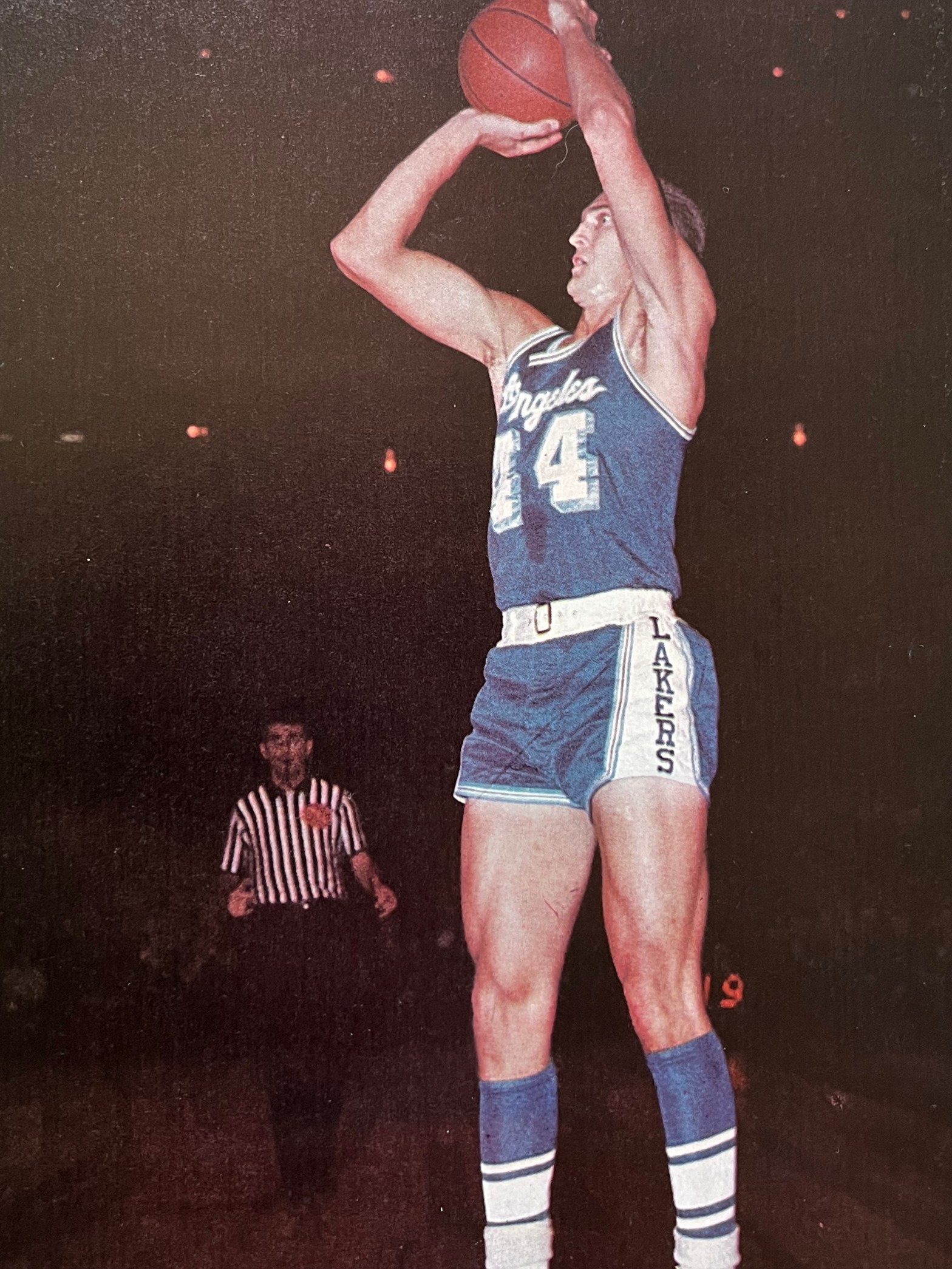
No one has shown, each year, the distinct improvement that West continues to show. There’s no telling where he’ll stop—and that, come to think of it, is a characteristic of explosive forces, isn’t it?
Author Archives: bobkuska
Gus Johnson: ‘I Sometimes Amaze Me,’ 1966
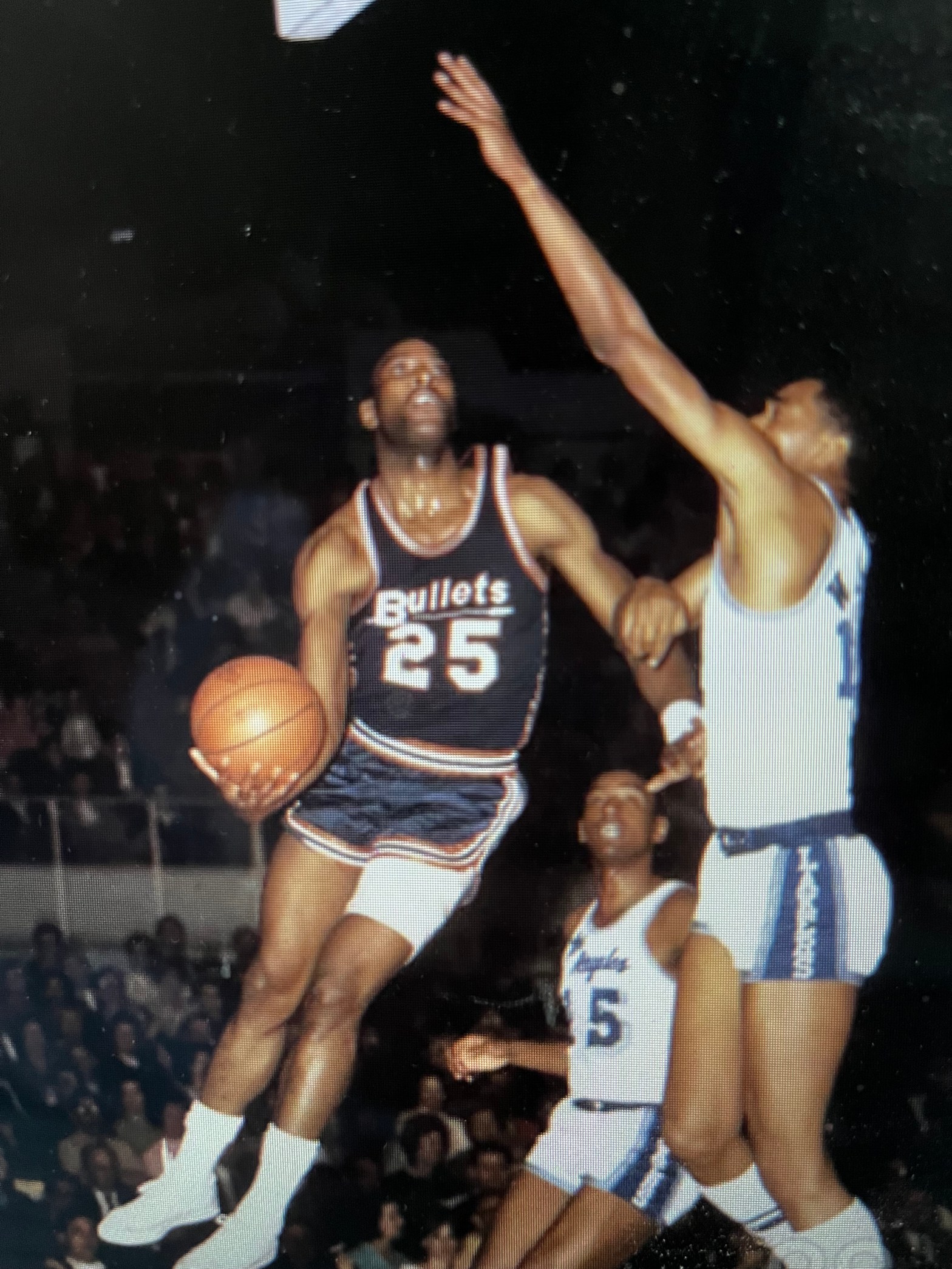
Triggered by the magic words, all pro, his voice grows stronger and his words come faster, and suddenly there seems no chance that in the interest of safety, he will abandon the style that made him Gus the Great. ”You don’t see Bill Russell or Wilt Chamberlain gliding through the air and shoving it in there like I do,” Gus says firmly.
James Jones: Best Guard in the ABA? 1974
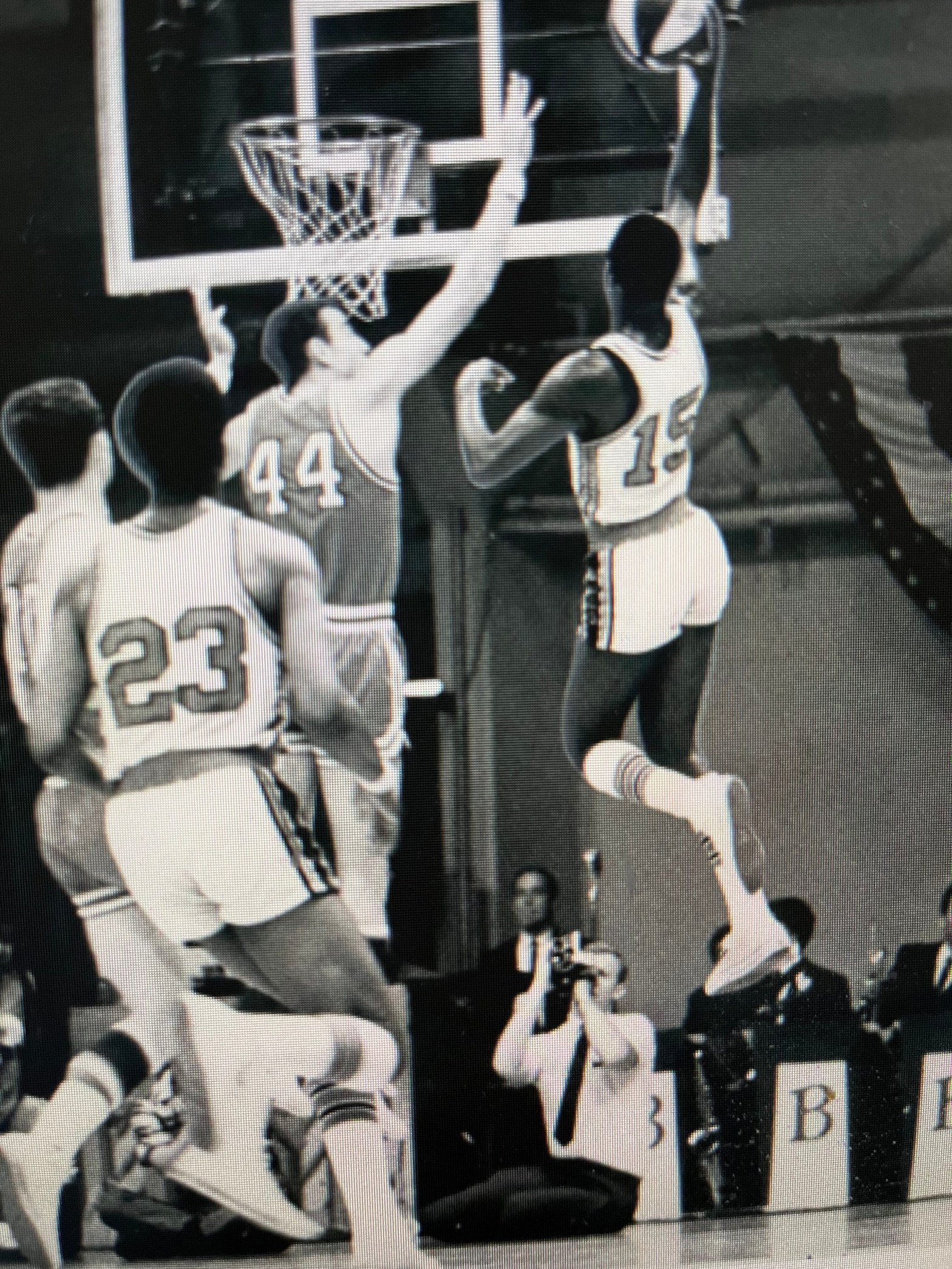
Jones is also a showman, not a showboat. His sense of the spectacular is controlled, not contrived, and Jones is perhaps the best clutch operator in the league. His style is reminiscent of the best big guards in the NBA, combining physical ability with brains and marked by a sense of always knowing what to do when it counts most.
Oscar Robertson: As Bob Cousy Sees Him, 1965

“Oscar is the greatest,” Cousy states. “There are none better.” That’s the word from the man who wrote the book on the position that both play so well.
Bill Walton: Appreciating Perfection, 1986
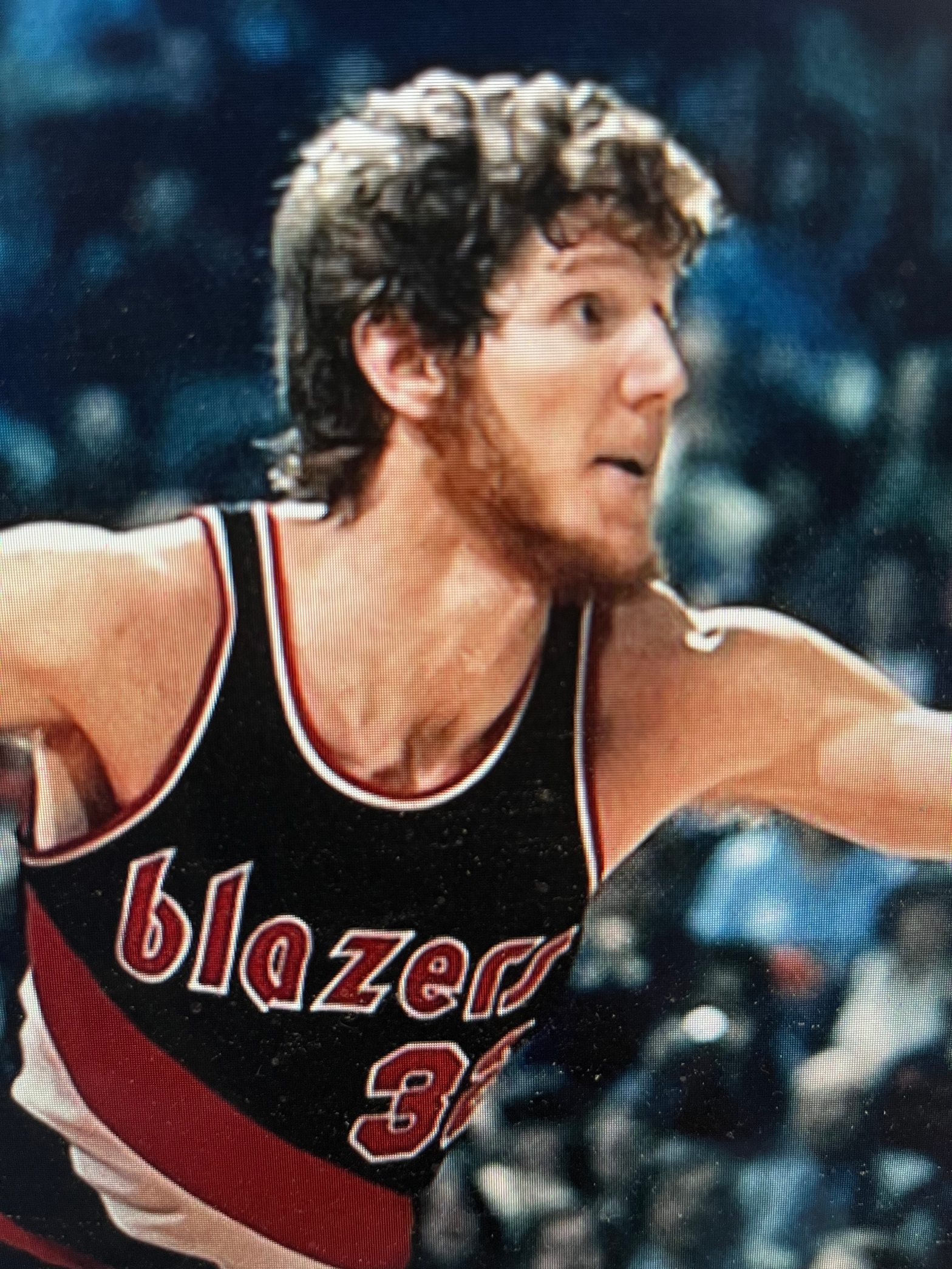
Fans mostly see results, which is why the Moses Malones and Artis Gilmores of the world appeal far more to the uneducated than to the aficionados. Coaches look at Bill Walton the way young actors look at Laurence Olivier. They don’t know whether to be more impressed by what he knows or what he intuits.
Dismantling the Buffalo Braves, 1977

Speaking of rebuilding, it might be instructive to dwell briefly on how the Braves were razed and/or disassembled in such a short time. It is somewhat disconcerting to note that there are exactly two players—count ‘em, two—remaining from the team, which opened league play a season ago, in the autumn of 1975: Randy Smith and Ernie DiGregorio.
Rick Mahorn’s Roman Holiday, 1992
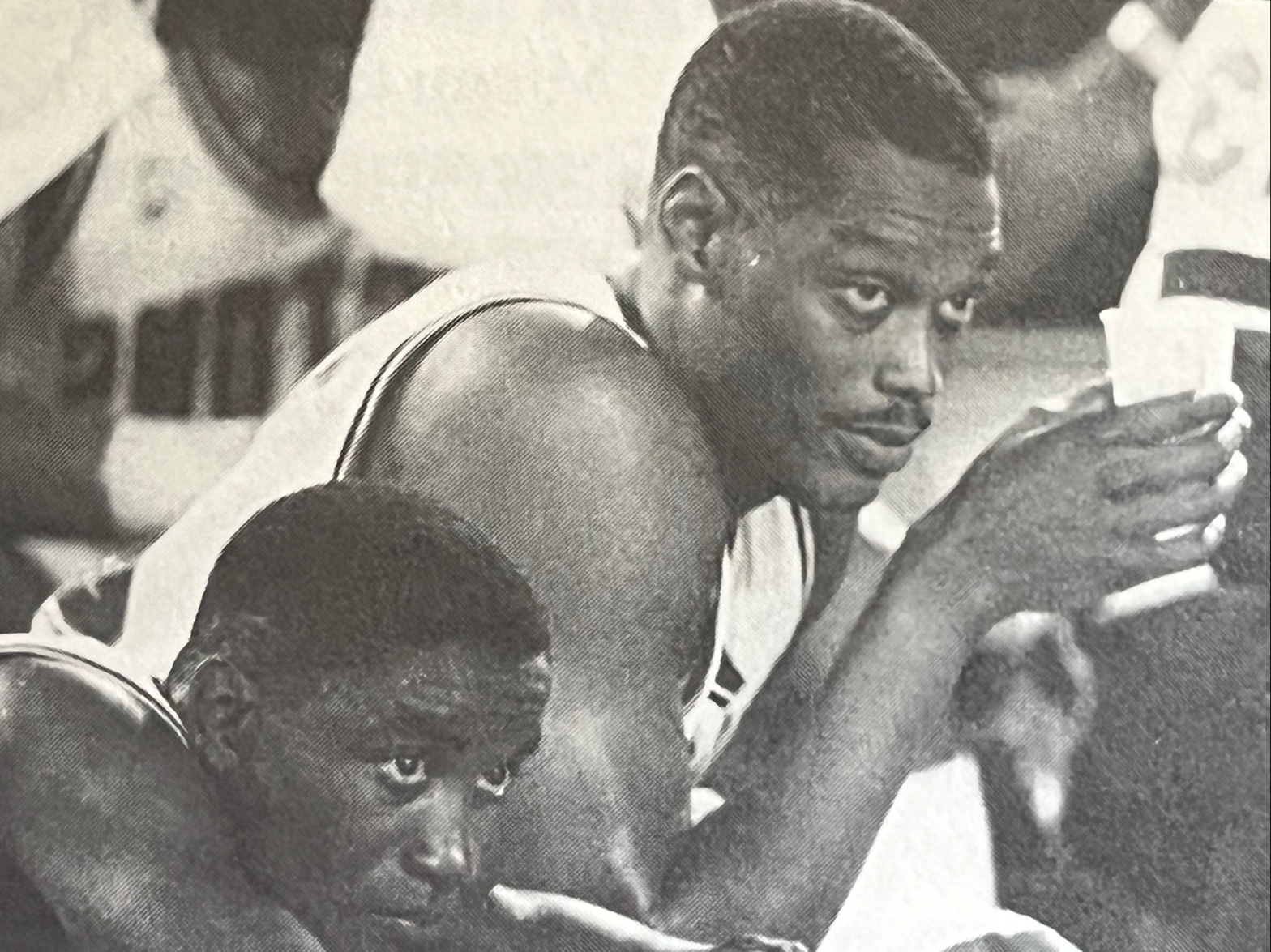
Mahorn goes on, attending daily practices, playing one game a week, cultivating the mystery that has always been his calling card, Big Man, Big Mouth, yet with an underlying kindness that keeps you coming back to him, because you’re sure there’s a decent guy underneath all that bluster.
Adrian Dantley’s Inferno, 1992

“Guess we got to wait,” Dantley says. And we sit in the bleachers, behind a green net. There are two baskets, and one rim seems bent, I point at it. Dantley shrugs. It’s a long way from the NBA.
Pete Maravich: A Thin Line Between Love and Hate, 1972
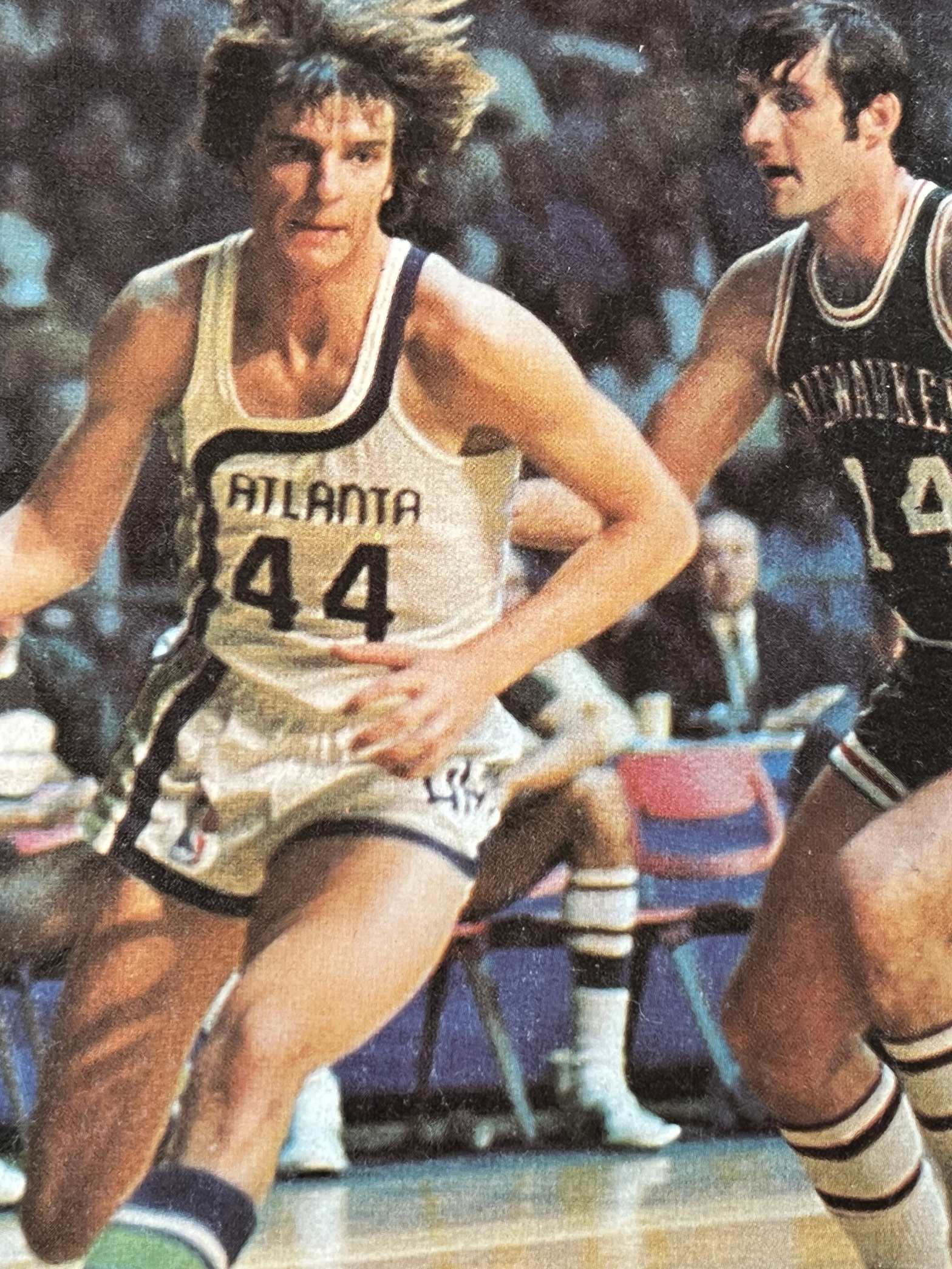
“Maybe it’s the kid’s fate. Maybe it’s the way the ball bounces. But it looks like he’s had to do everything the hard way.”
European Pro Basketball Back in the Day, 1993

Unlike the NBA, where teams are required to post multimillion dollar operating bonds before the season, most teams in Europe are run on a nickel-and-dime basis at best. Many grew out of small neighborhood sporting clubs—YMCAs, really, and depend heavily on corporate sponsors for their cash flow.
 From Way Downtown