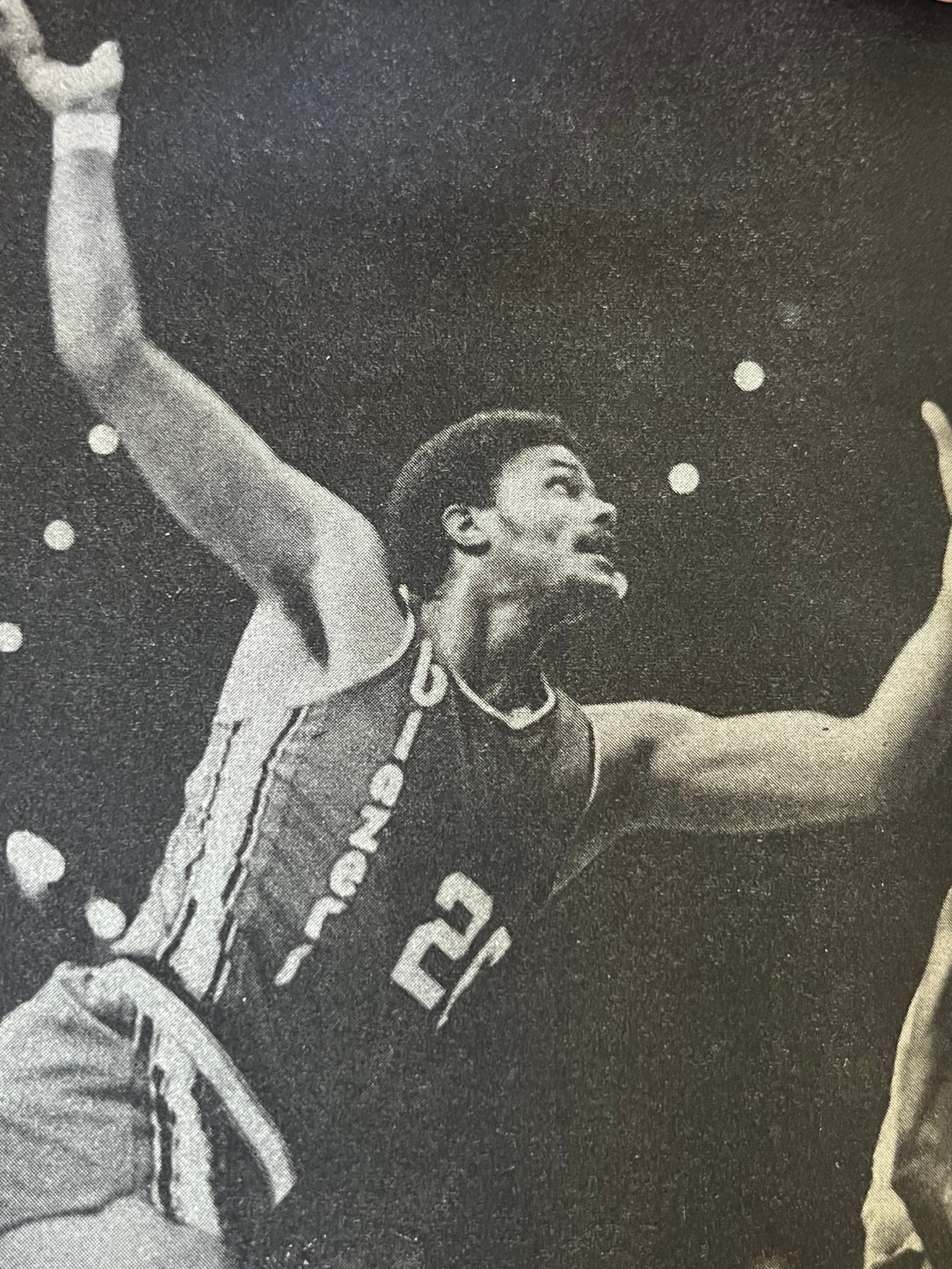
Lucas plays aggressively, and critics say he plays dirty. “I play very aggressively. I play with intelligence,” he said. He paused a moment and added a footnote. “I play rough.”
Tag Archives: 1970s NBA
Mitch Kupchak: The Game’s Best Sixth Man, 1979
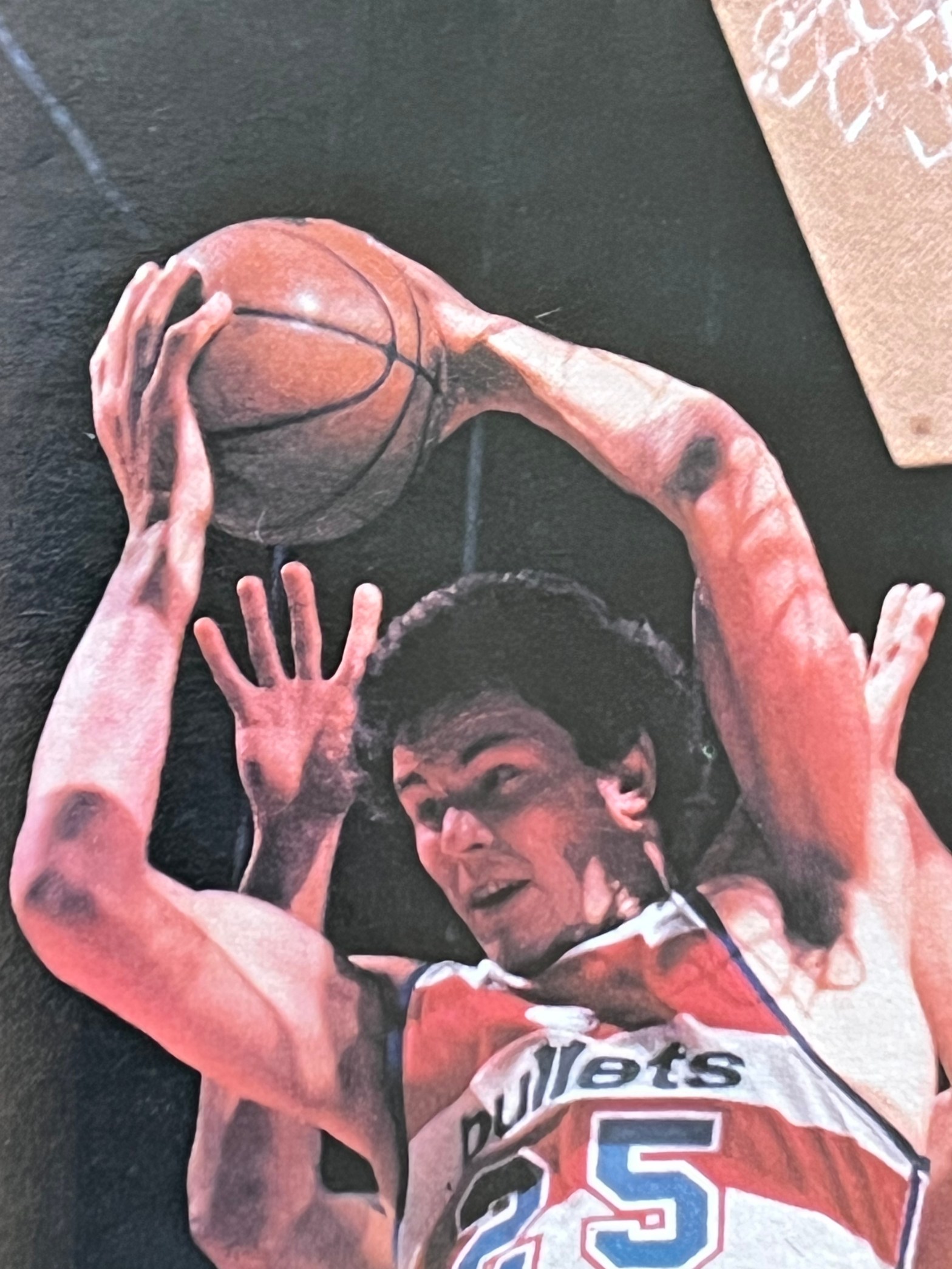
Because Kupchak is so versatile, he poses monumental problems for opposing teams. “He creates favorable mismatches for us,” says Bullet coach Dick Motta, who likes to compare Kupchak with Jerry Sloan, the hellaciously tough guard Motta coached with the Chicago Bulls some years ago.
It’s a New Year for Elvin Hayes, 1971
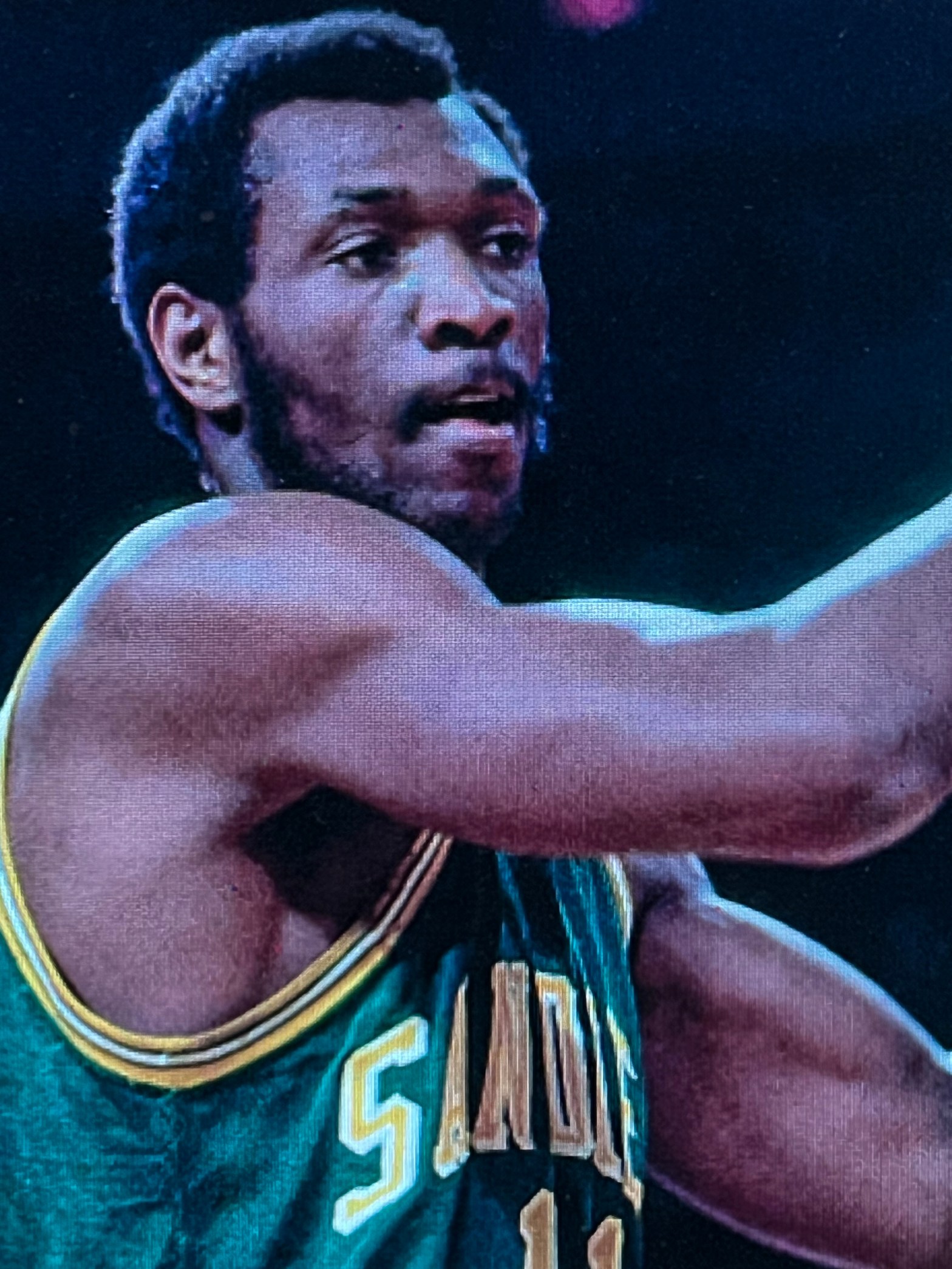
It’s a new year for a new Elvin, really. It’s all a selfless campaign, hard to imagine for the once-brooding rookie who caused so many problems for himself and his team two years ago.
Goliath Comes to Tinseltown, 1968-1969
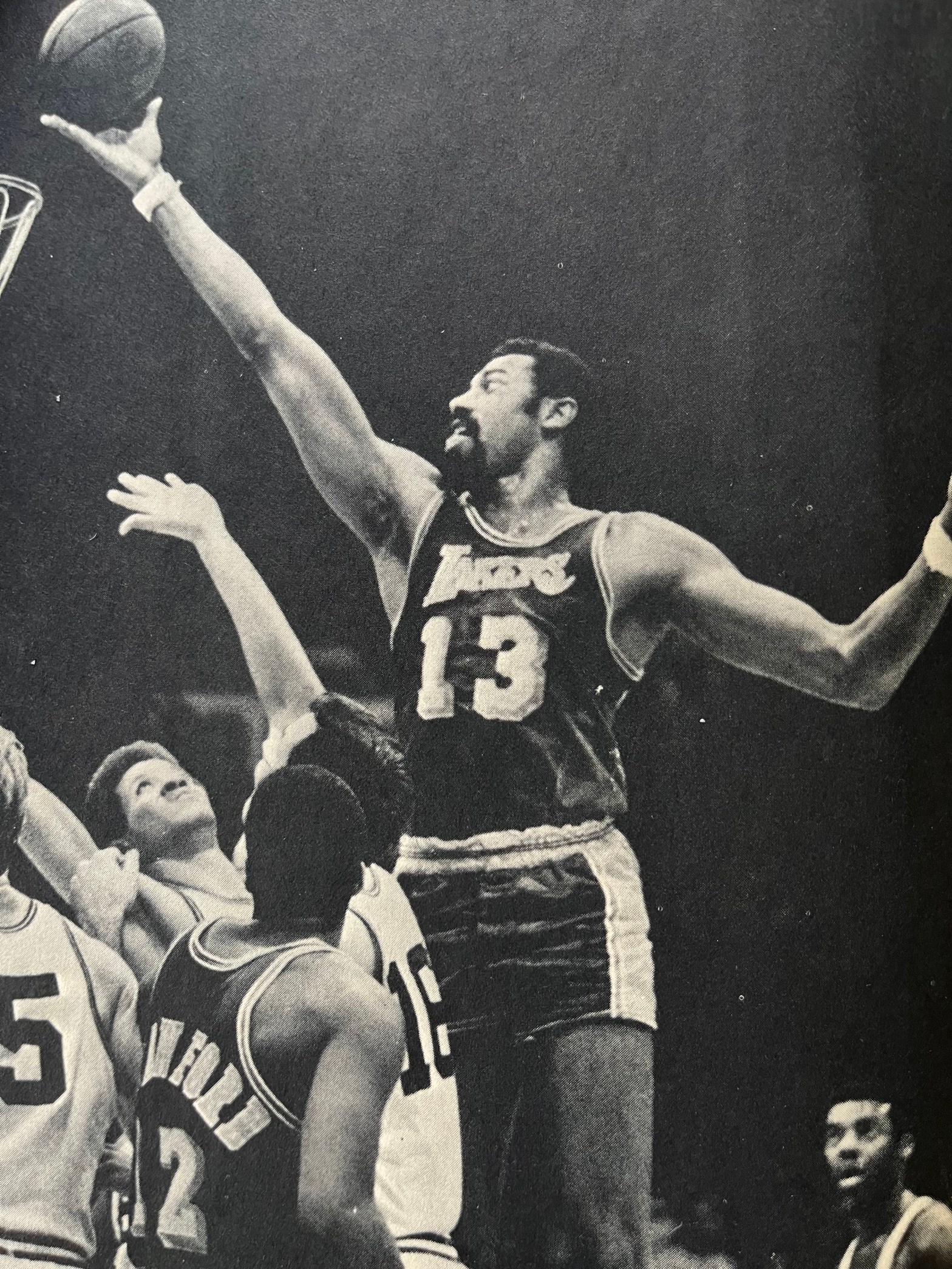
Contrary to popular opinion, the Lakers and their opponents, though agreeing that Los Angeles would be formidable, had reservations about the Super-team label and scoffed at the thought that the Lakers had anything locked up.
Dick Barnett: Keep on Keepin’ On, 1972
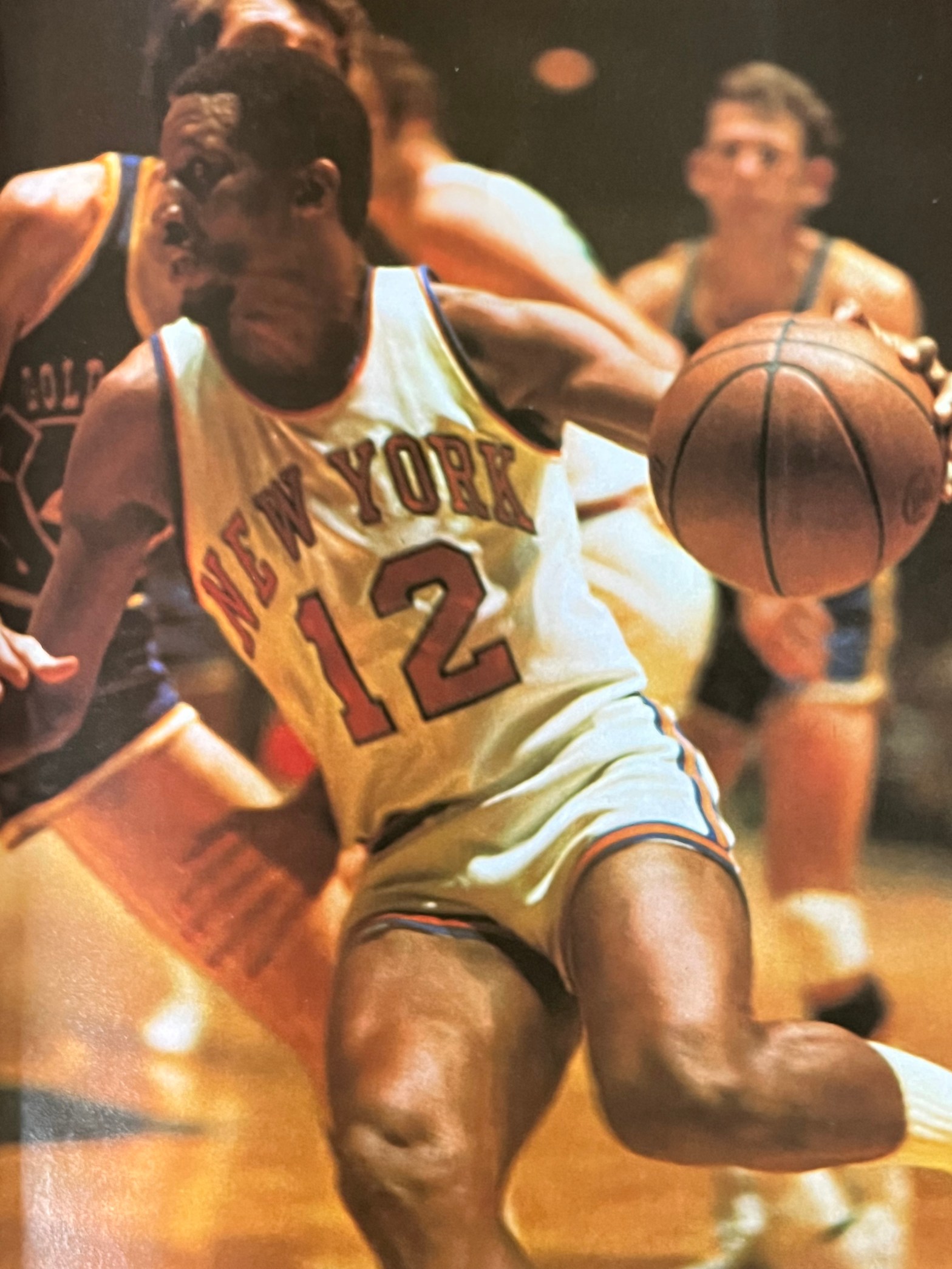
At 35 years of age, Barnett doesn’t have much time left in the game. It has been only in the past four years that he has really made decent money, and he hates to give it up so soon.
Tom LaGarde: Tendon to Business, 1979-1984
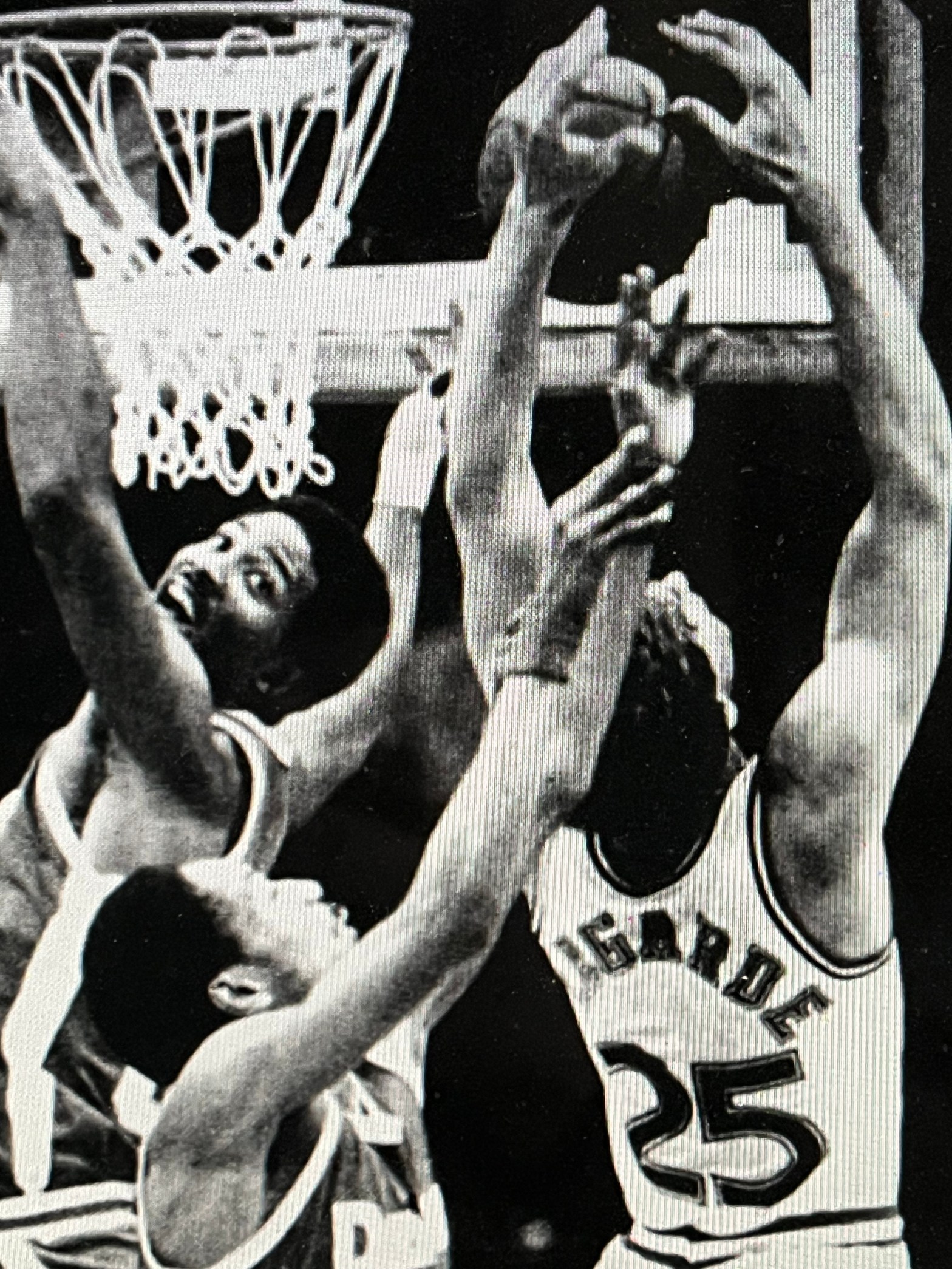
“It’s a business,” he shrugged at a 3 p.m. news conference in the Sonic office. “I’m ready to go.”
The ‘New’ Elvin Hayes, 1973
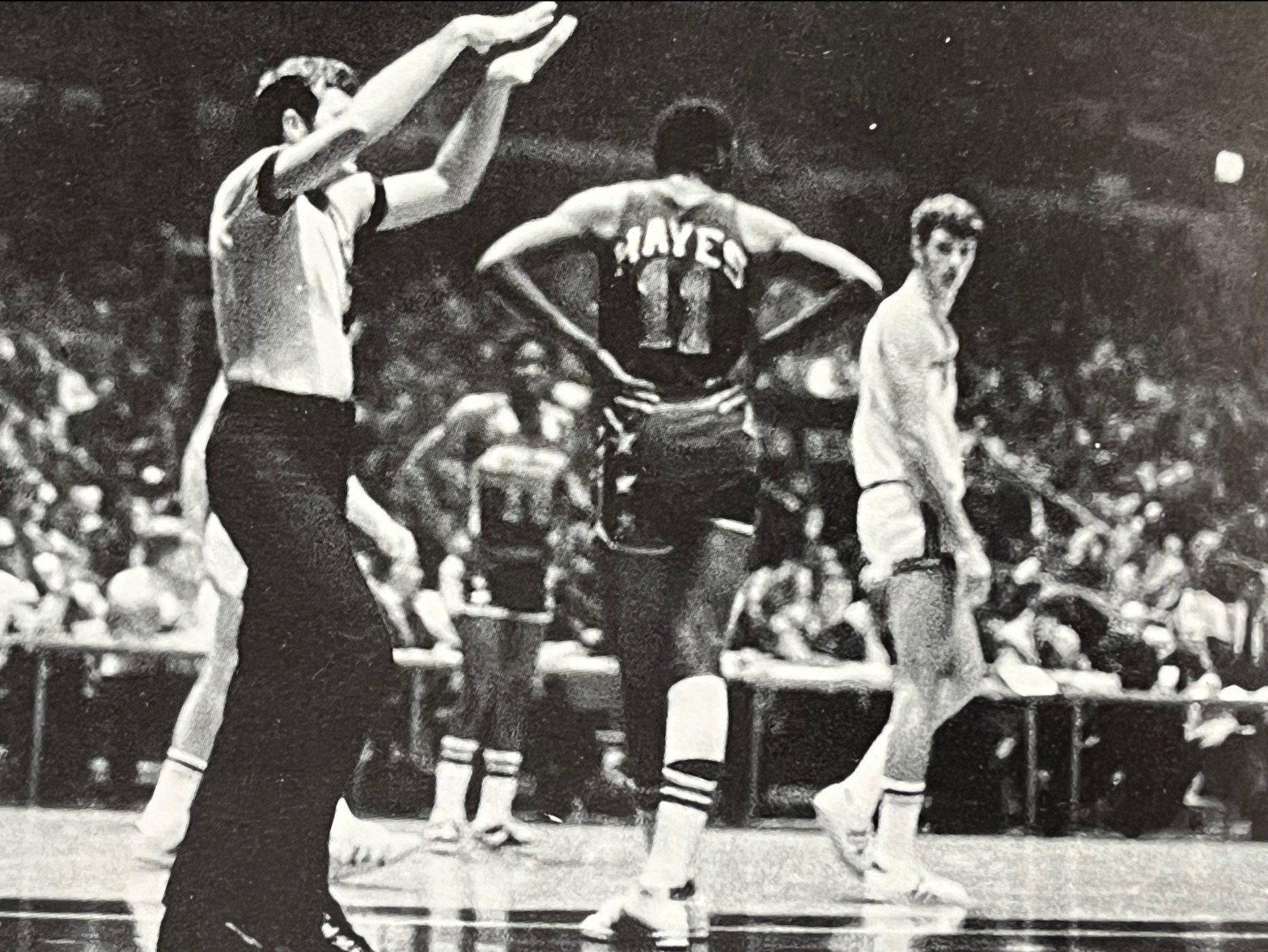
He knew he had something to prove this season in Baltimore. Leading the Bullets to a championship would be the best way to silence his many critics. That’s why in 1972, the Big “E” stood for Effort.
Are NBA Games Losing Their Excitement? 1979
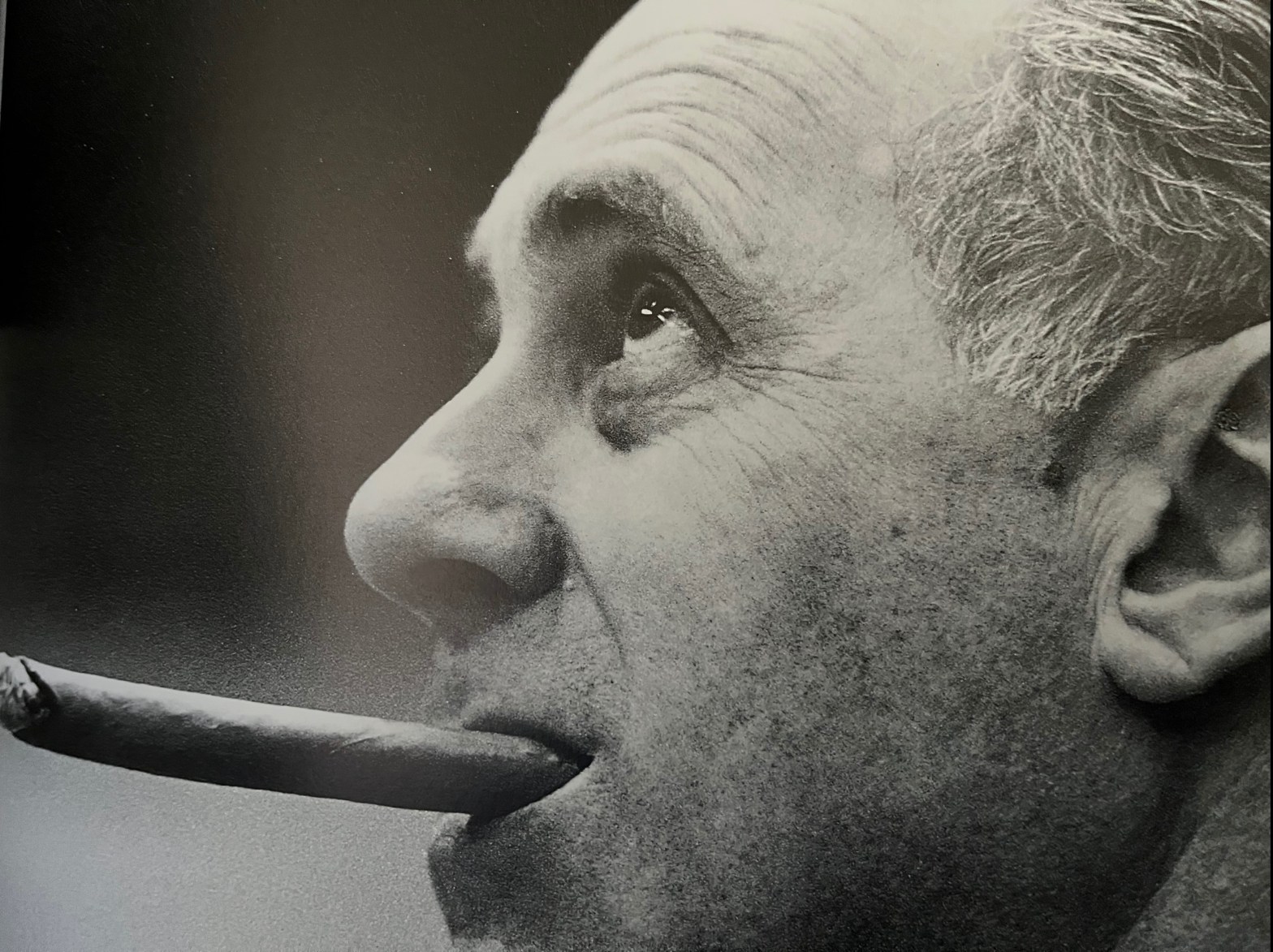
There has been a great deal of hype since the merger of the two leagues to the effect that things have never been better, either on or off the floor. “All the stars are under one roof,” they say. That’s true, but the question is: What game are they playing?
What’s Left for Lew Alcindor? 1972
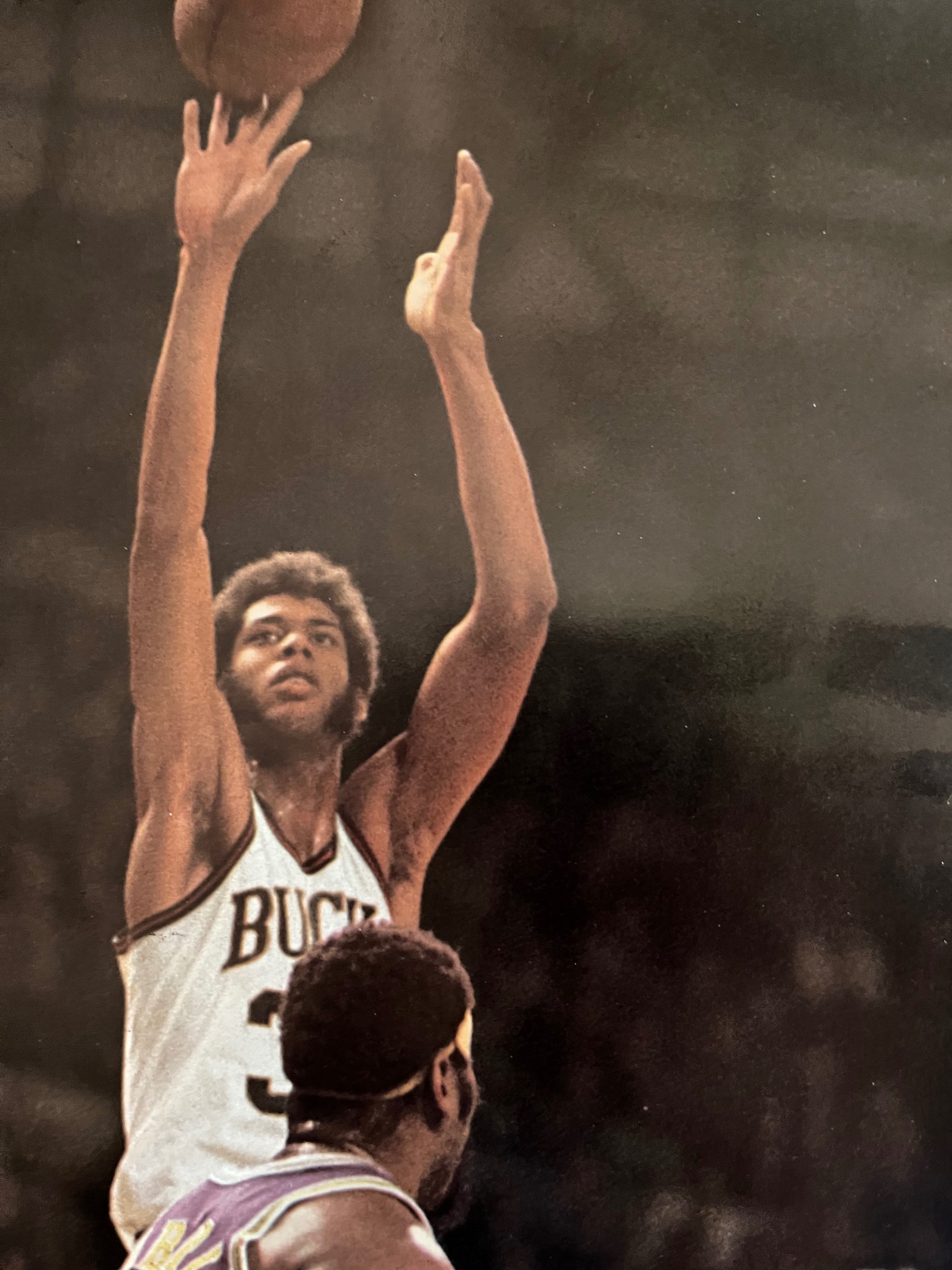
What, then, will incite Alcindor and keep his interest? The same thing that incites all great athletes—a competitive challenge.
The NBA Before Load Management, 1973
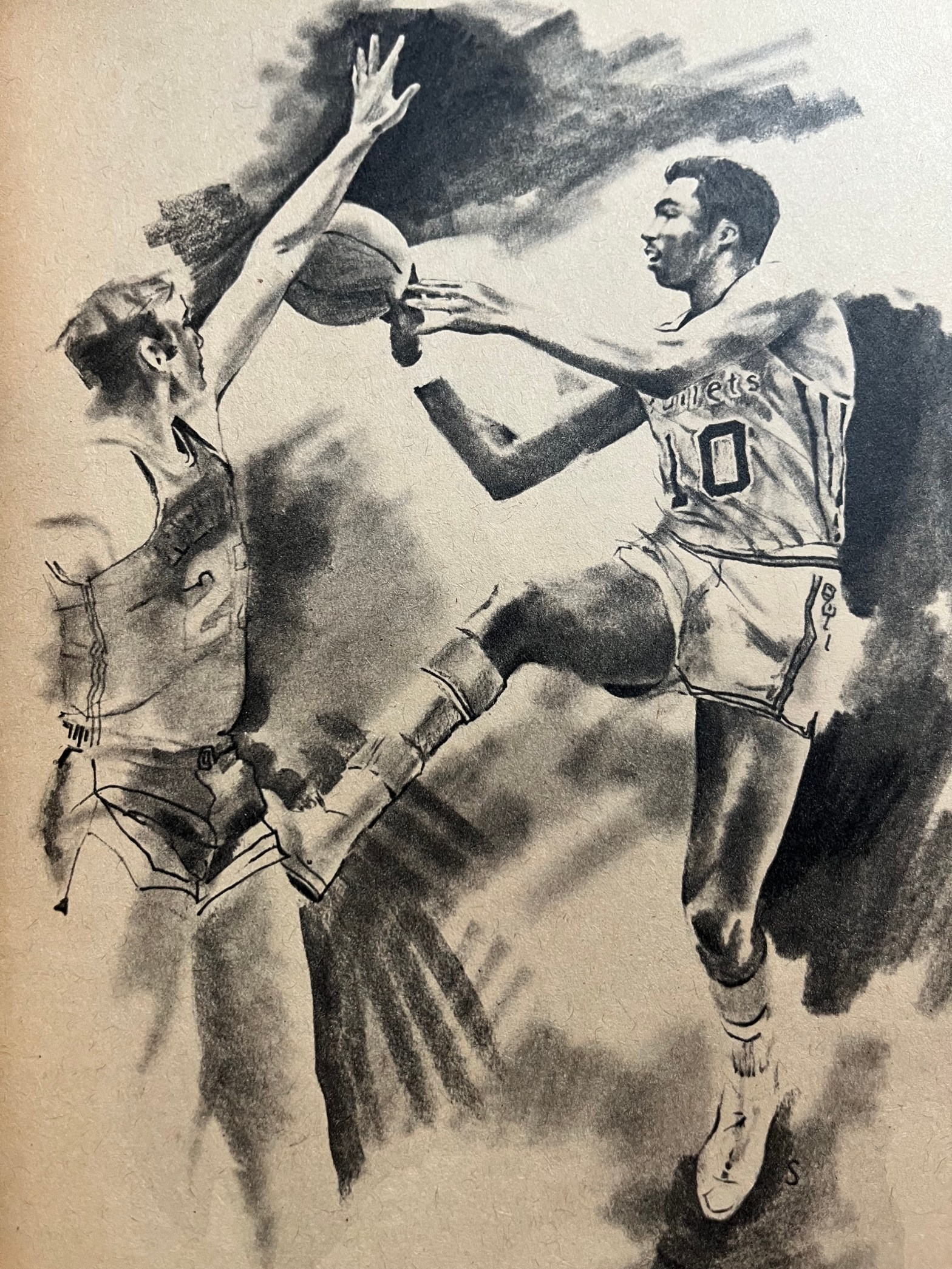
More and more these days, Russell and other sportscasters appraise the product pointedly, with such asides as, “If there’s a loose ball around here today, you can be sure those guys won’t go get it.” Welcome as honest descriptions may be, they hardly compensate for a home fan’s boredom.
 From Way Downtown