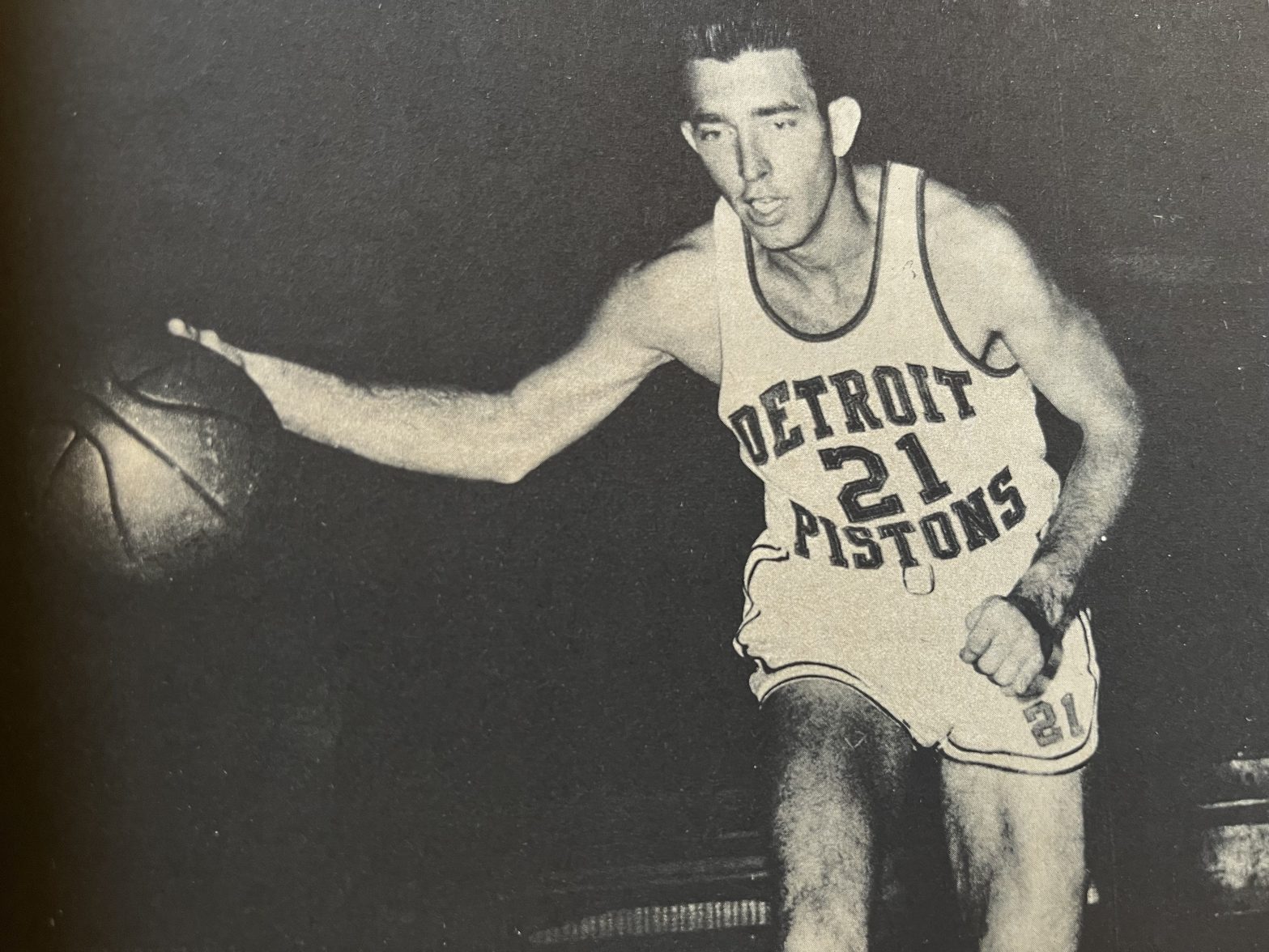
Twice before Dame Fate had stepped in to help Gene, and once again, she was waiting in the wings. This time, she appeared as a telephone call.
Tag Archives: Red Auerbach
The Greening of Jo Jo White, 1977
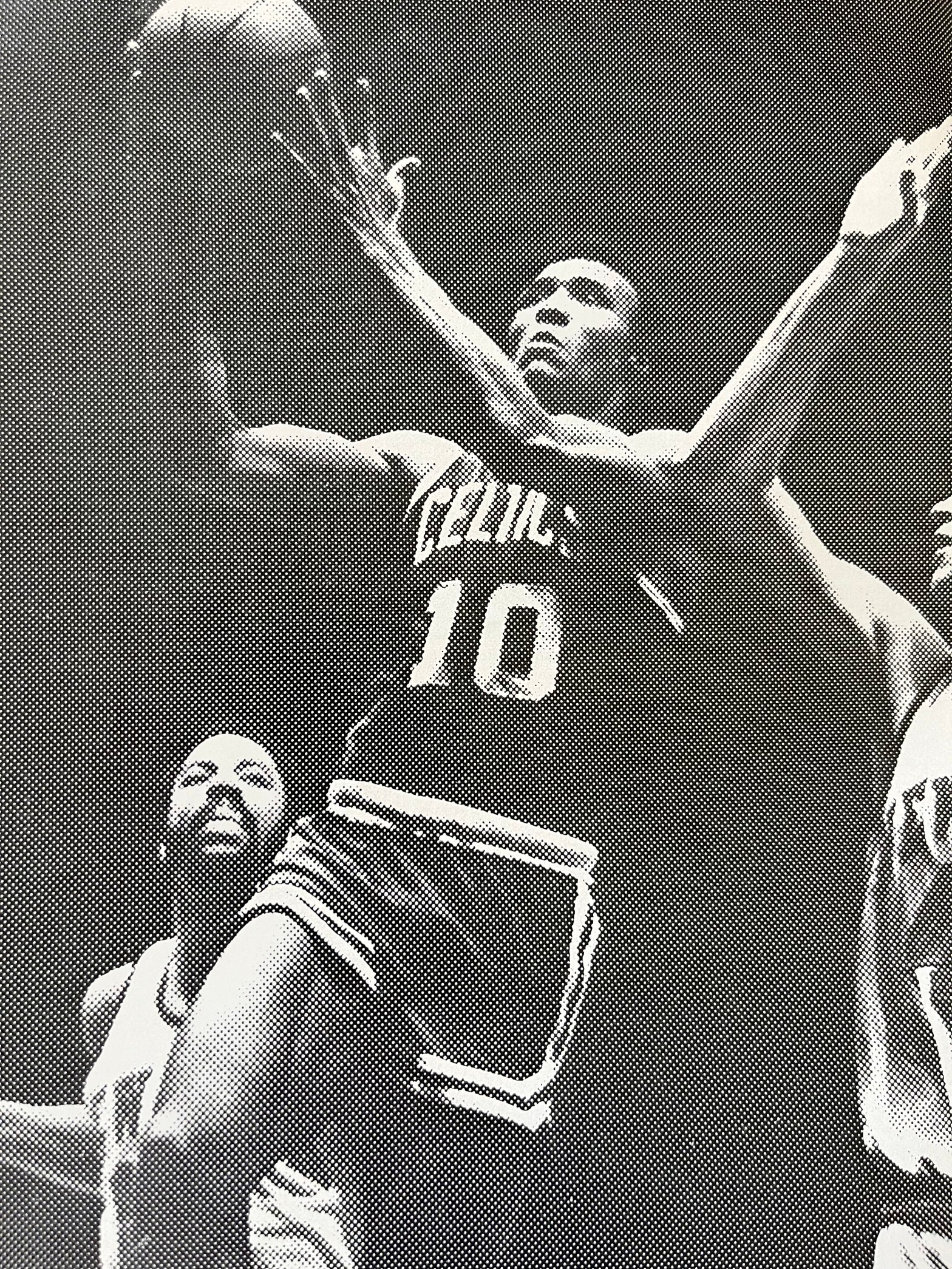
For an athlete who thought it would be wonderful if he ever made $20,000 a year playing basketball, Jo Jo White has done all right.
Red Auerbach: Painting the NBA Playoffs Red, 1979
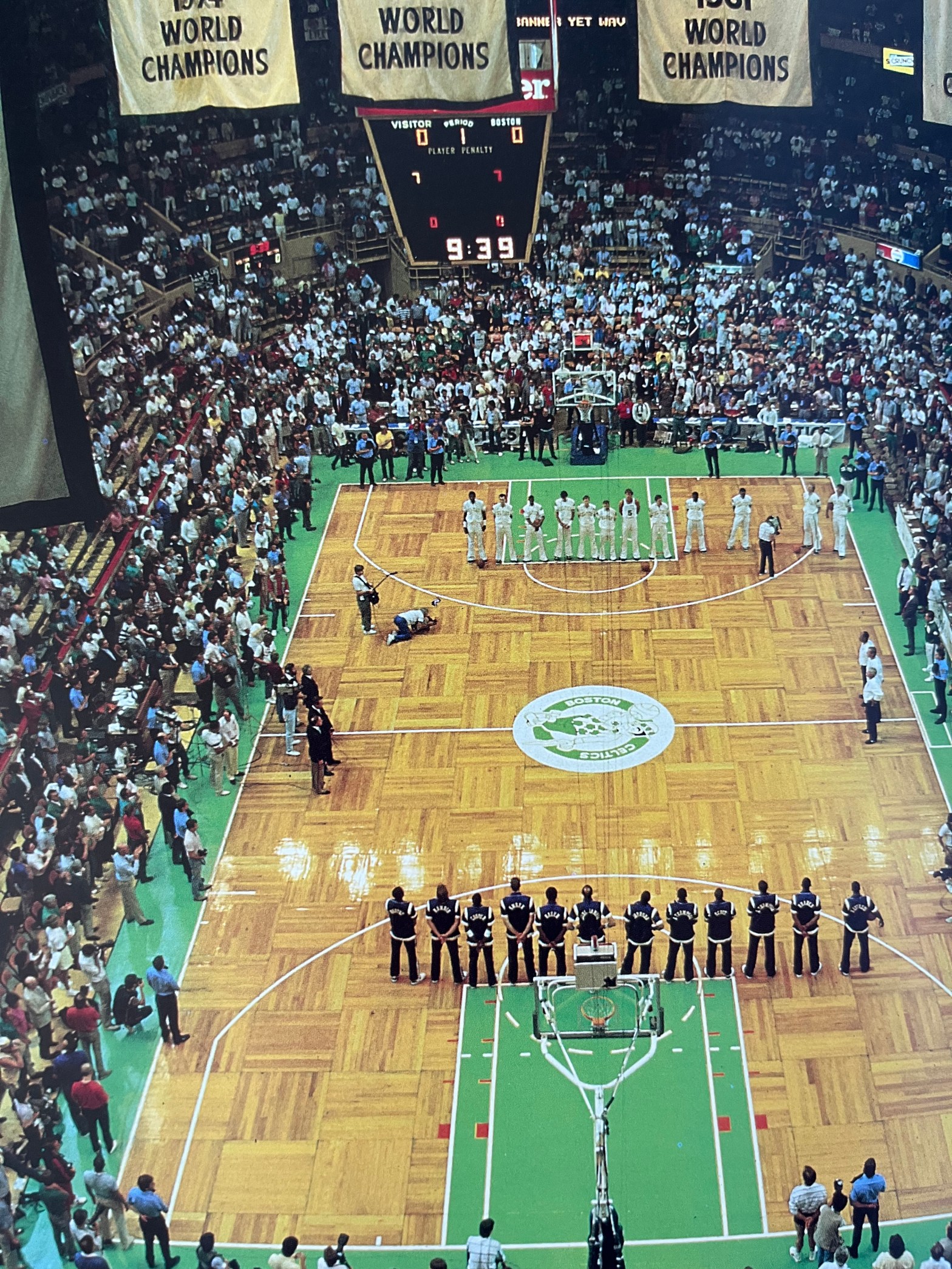
On the days when the Celtics are scheduled to play at home, Red sends out to a local delicatessen for cold cuts and invites in friends for a pregame nosh. On this March morning, though, Red contented himself with the familiar cigar and, when the tape recorder went on, he began to talk.
John Johnson: Hello Houston, We Have a Problem, 1977
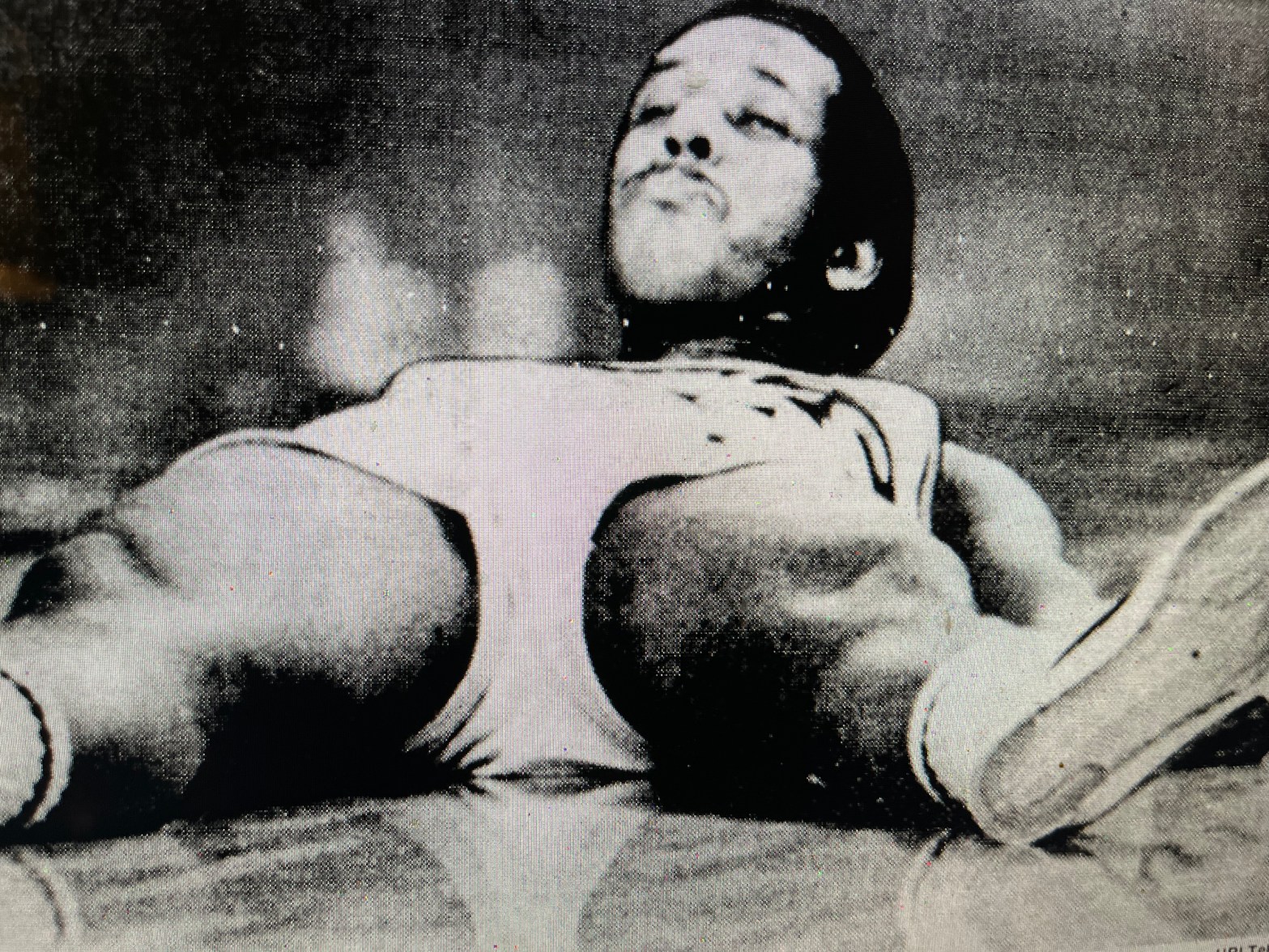
When the Houston Rockets traded John Johnson to Boston in June, Johnson thought he was a Celtic, Red Auerbach thought he was a Celtic, and so did Ray Patterson.
What They Say About Lew Alcindor, 1968
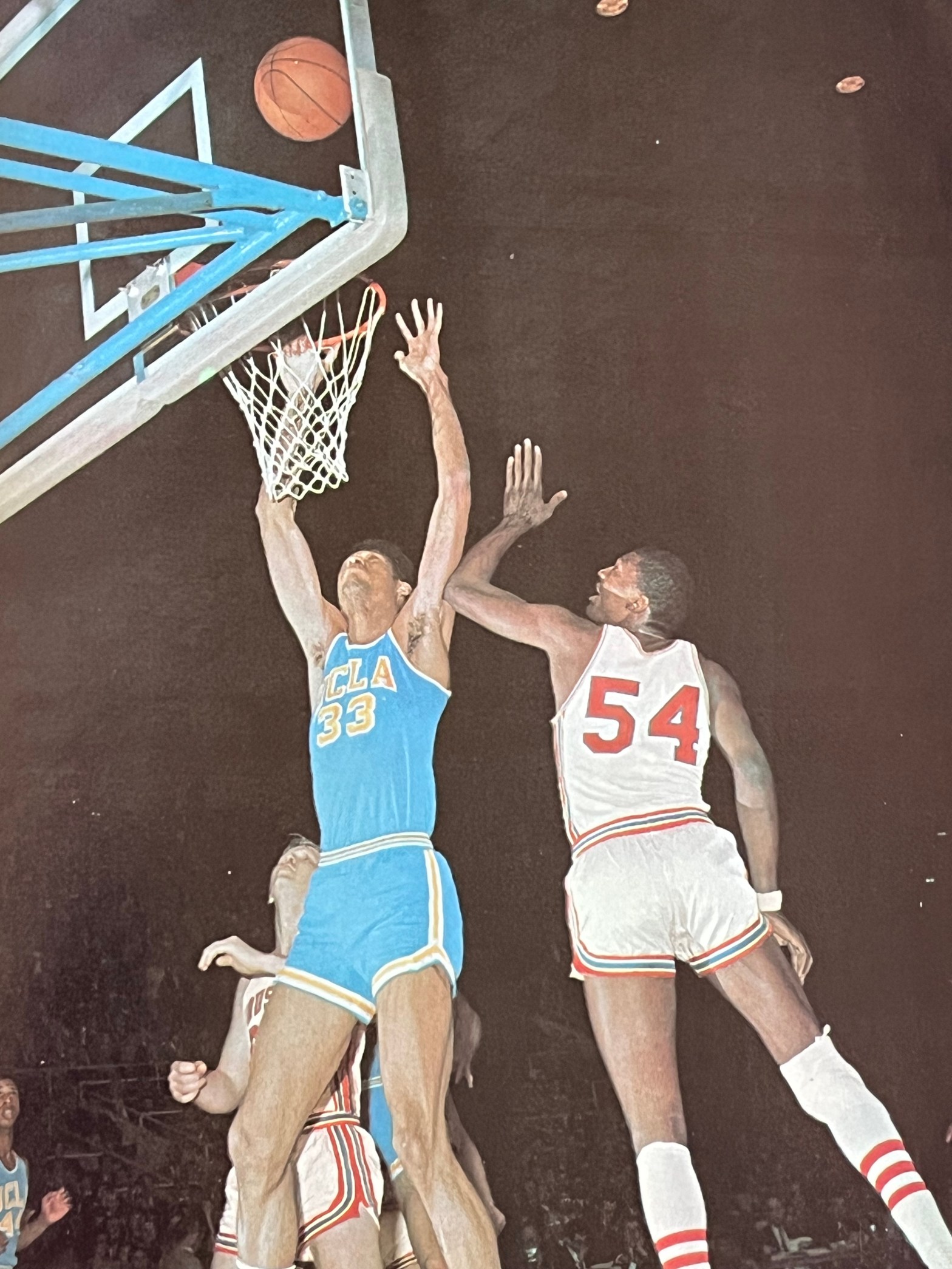
What follows is a sampling of what people—players, writers, coaches, and teammates—have to say about Lew Alcindor.
The Flops of the Game, 1976
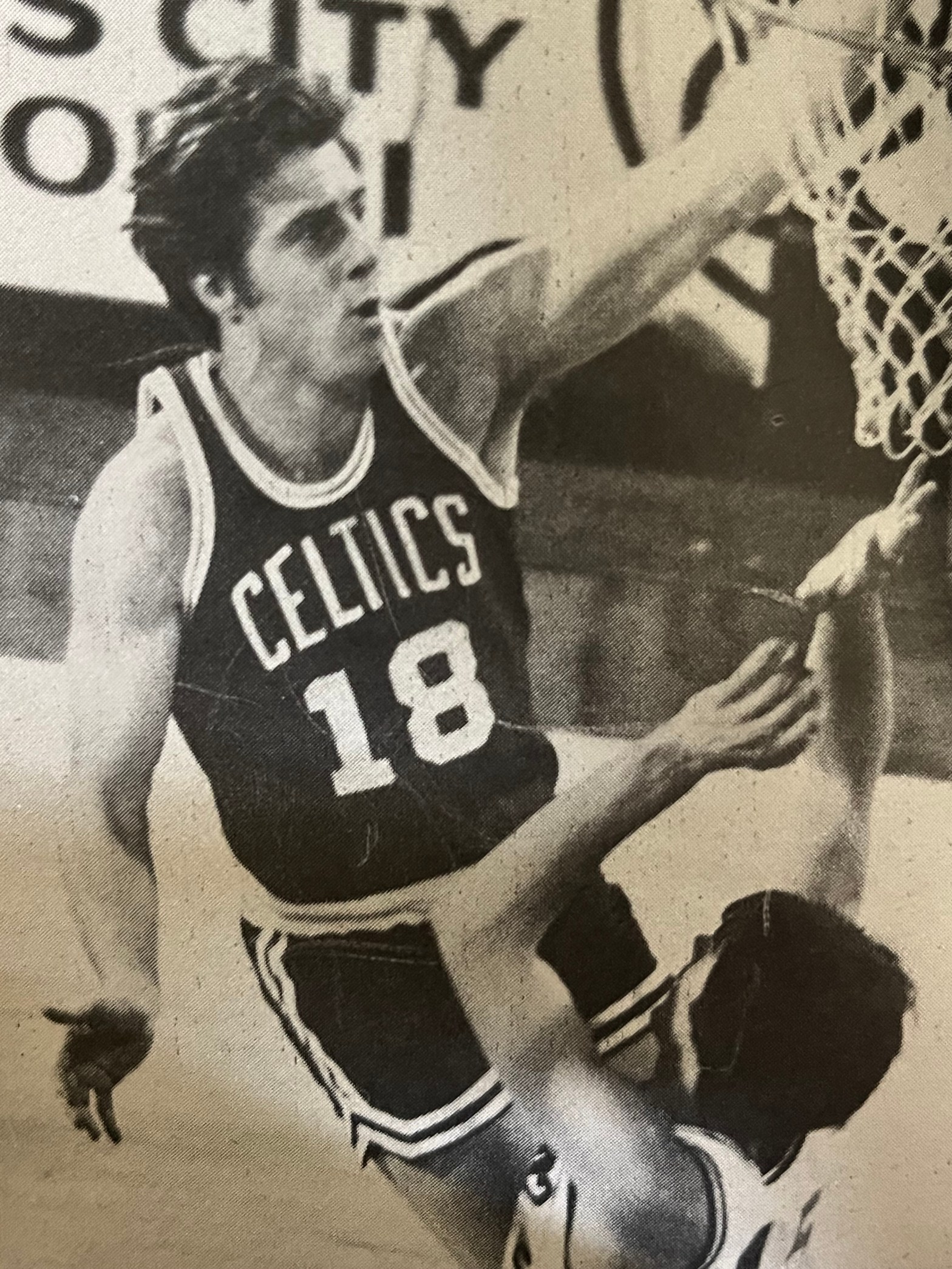
No longer will a particularly ruthless assault on the basketball court be known as “a flagrant foul.” Henceforth it shall be known as a “Cowens.”
Red Auerbach: The Aborted Interview, 1978
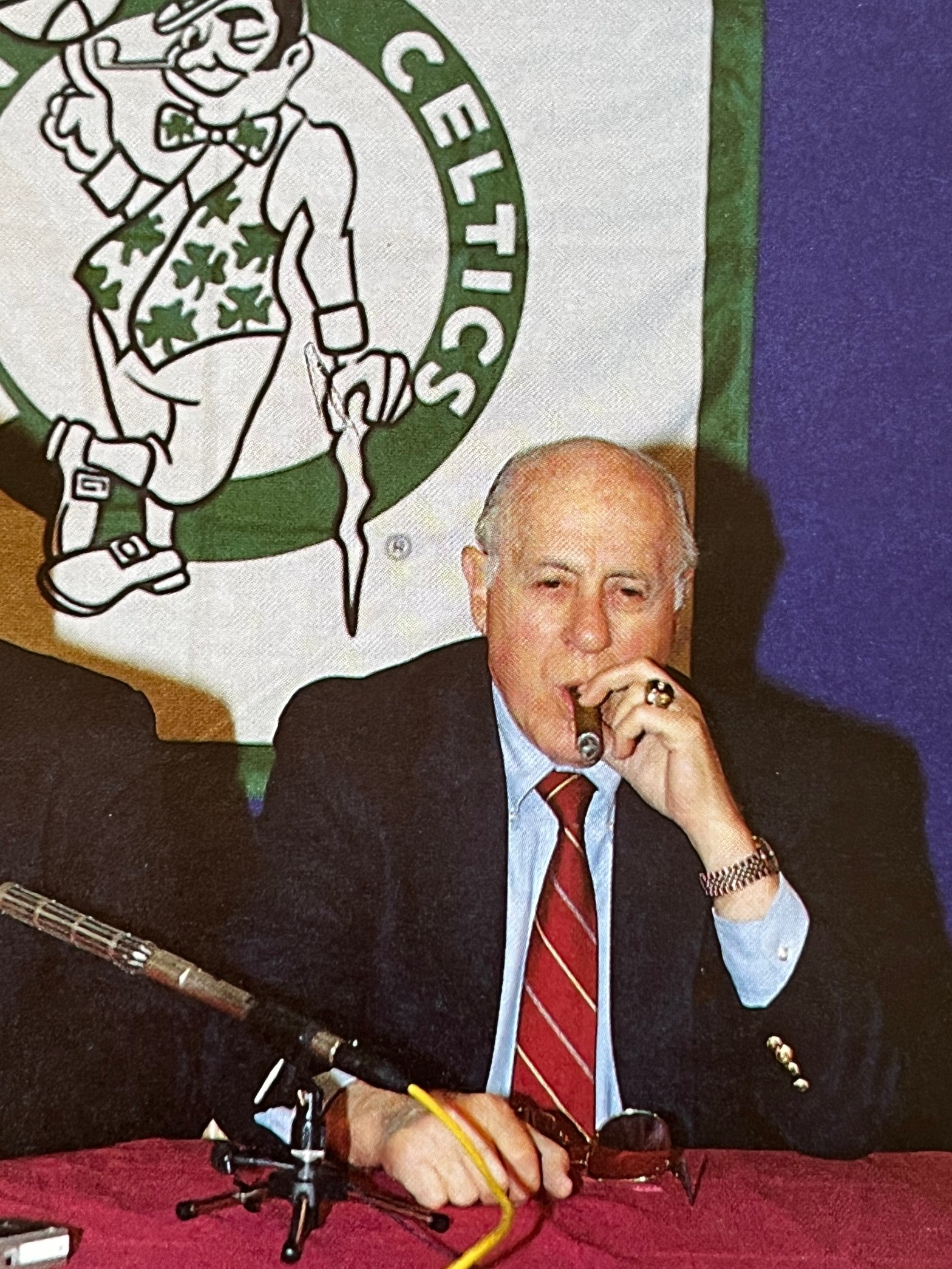
oday, people are playing ball with one eye looking up at dollar signs. They figure they cannot make it by playing defense and by being a sacrificing team player.
Farewell to Bob Cousy, 1963
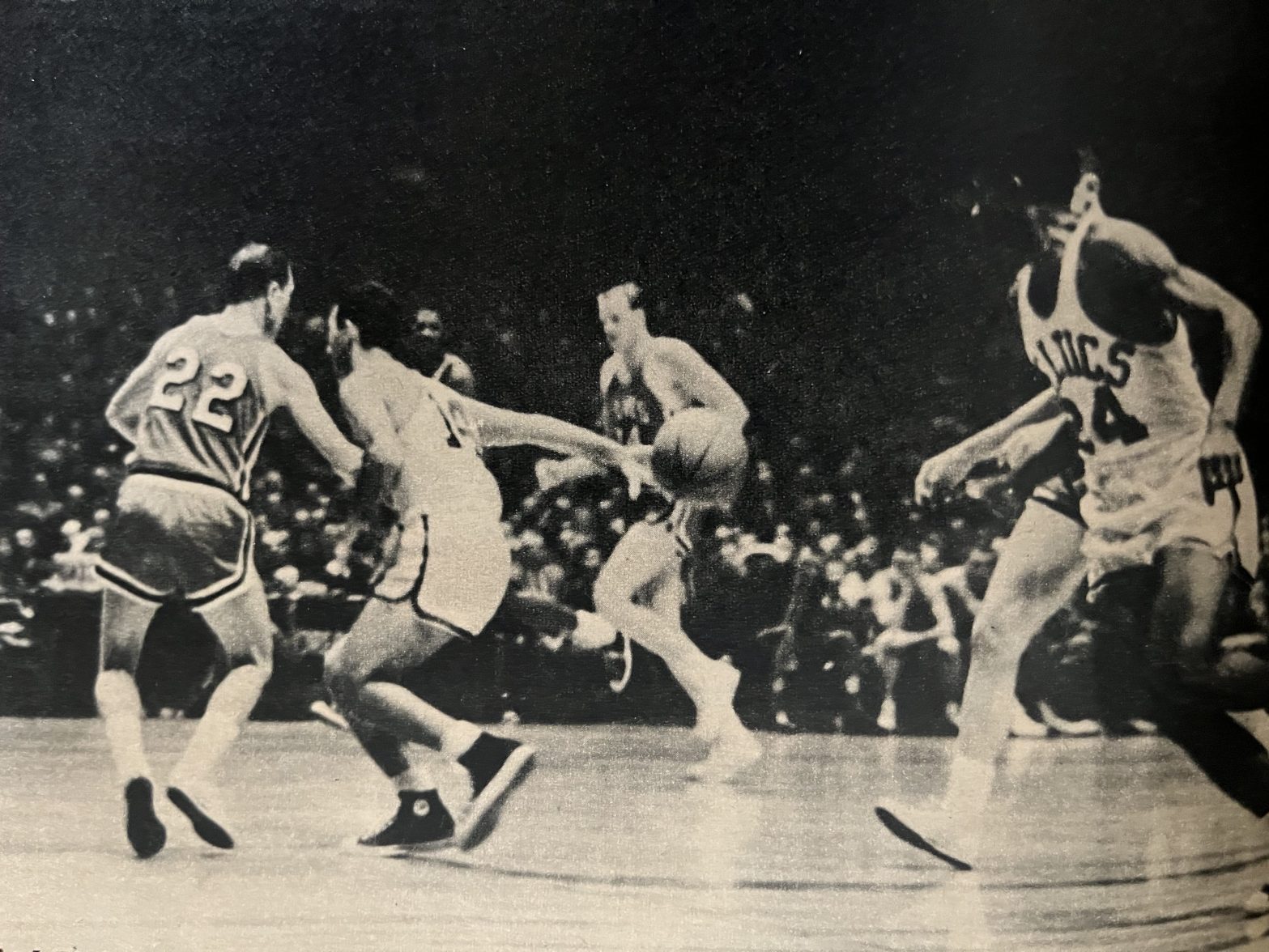
A couple of players were in one corner, autographing basketballs. Auerbach was sitting alone, reading mail. We shook hands, and I said, “What about Cousy?”
“What can you say when you know you’re going to lose the greatest backcourtman who ever lived?” Red said. “Nobody will ever take his place. There’s only one Cousy.”
Bob Cousy Day: Take Two, 1963
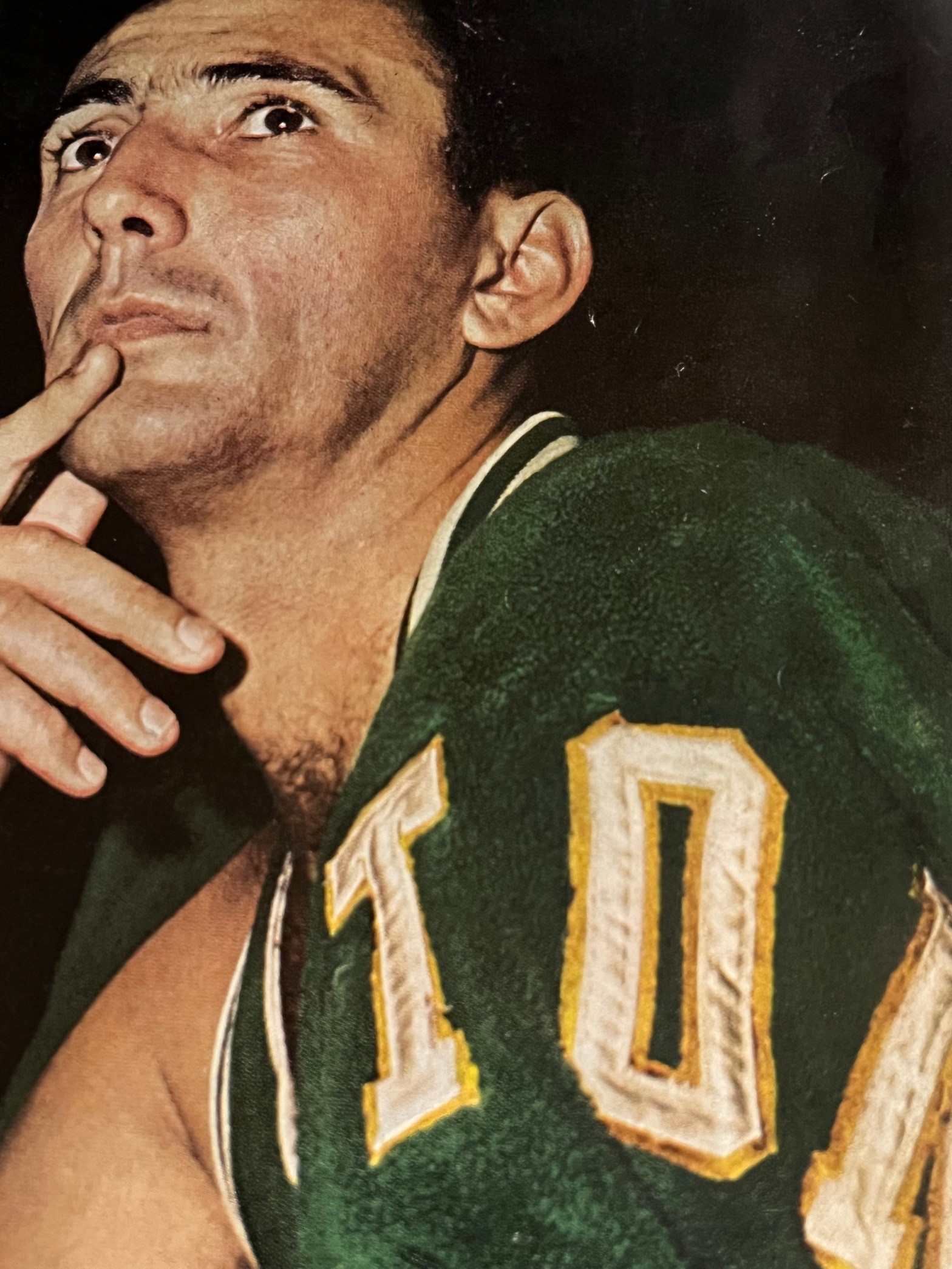
There were no stoics at the Garden. Men and women wept without shame and with pride and love. It was like that folk song line, “The tears flowed like wine.”
Three-Point Shot: Pro Basketball’s Big Bomb? 1971

Imagine the excitement in Madison Square Garden if one of the Knicks sank a three-point play in the closing minutes of a stretch-run game. It would be pandemonium.

