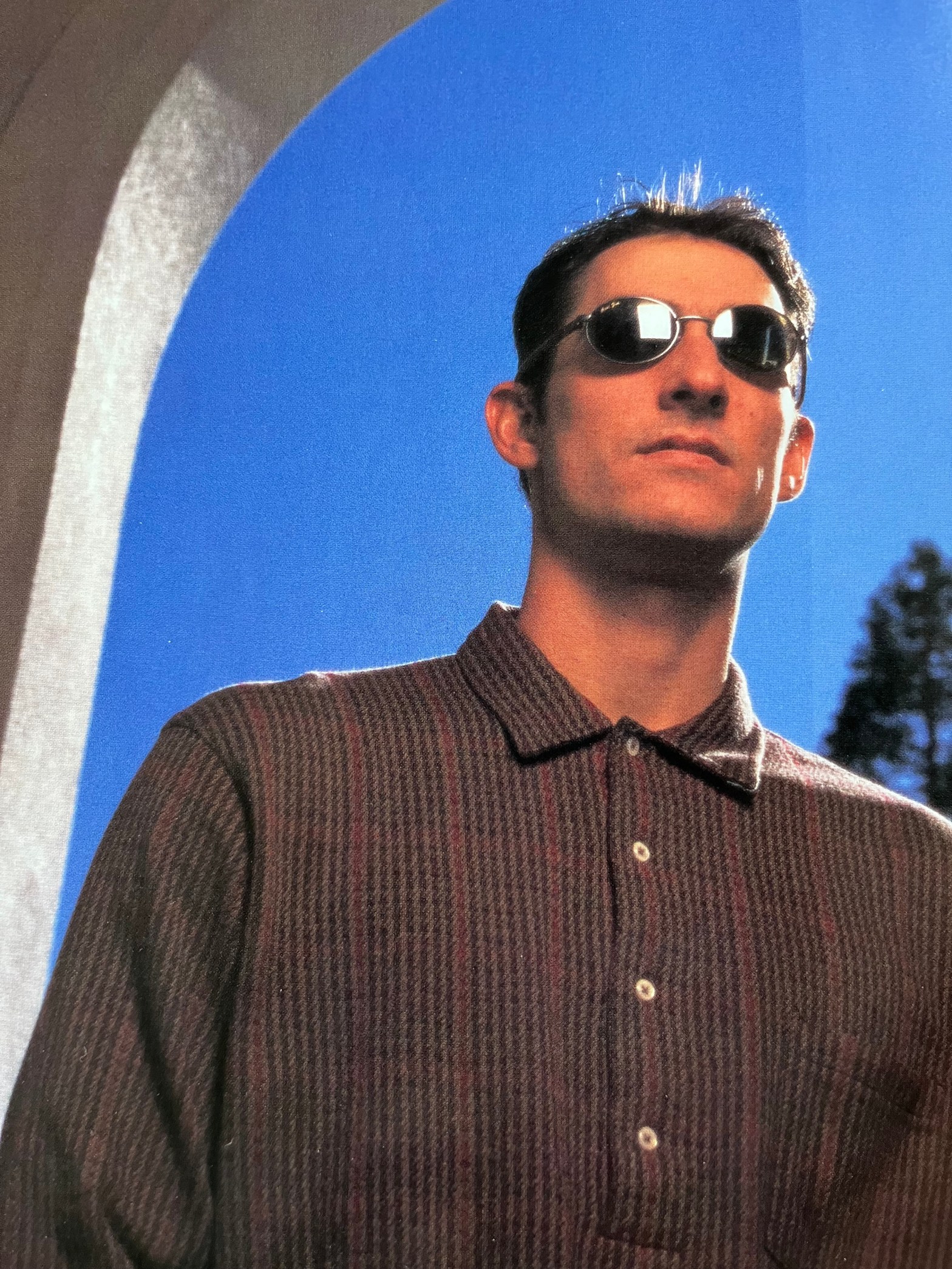
Having three basketball-playing brothers kept Barry from being hardened. He was never far from a conversation or a two-on-two. Being the sons of Rick Barry united the four boys.
Tag Archives: Golden State Warriors
Jamaal Wilkes: The Silent Assassin, 1980
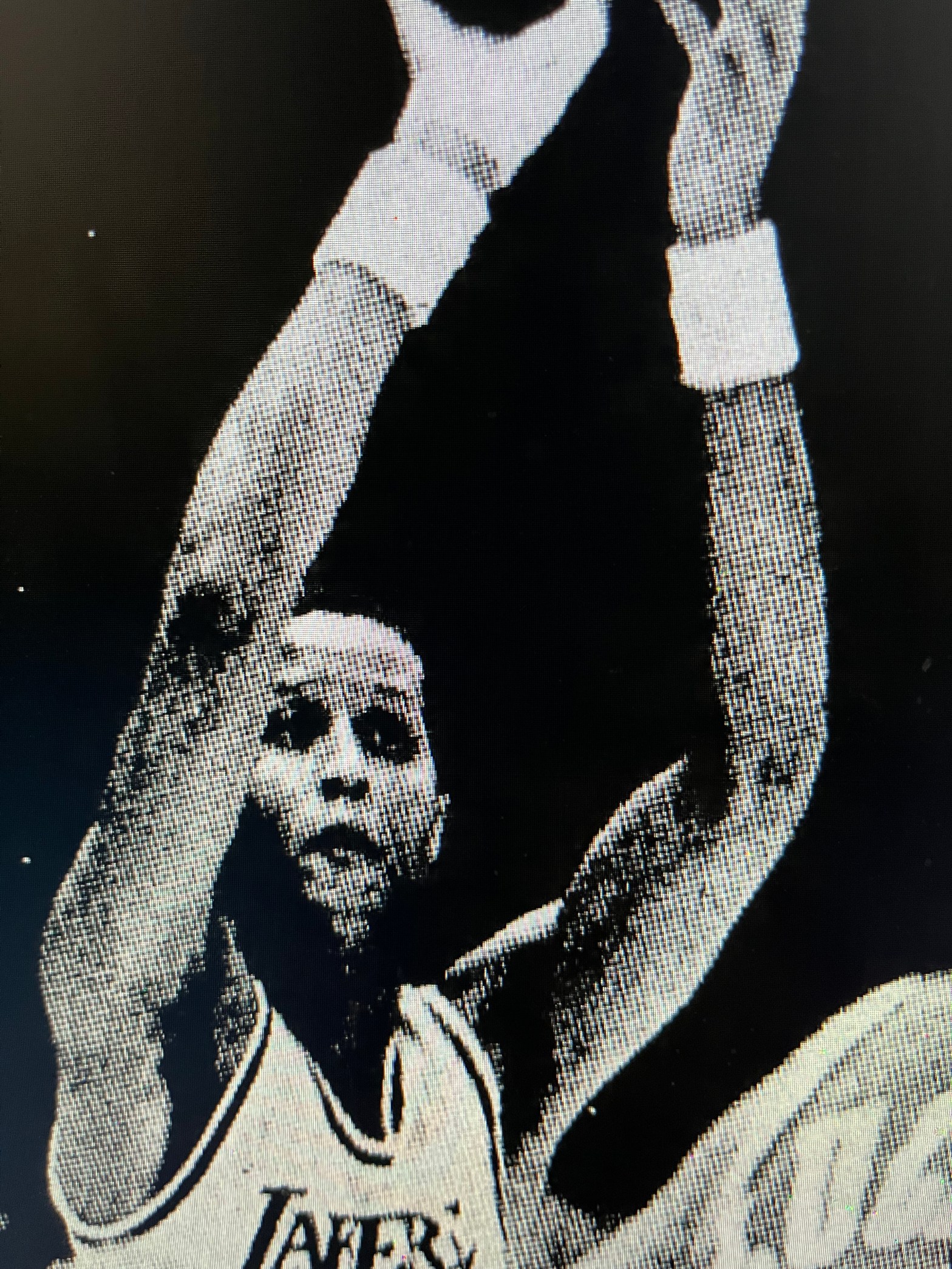
Wilkes is basketball’s version of Perry Como, the velvet singer whose trademark was the epitome of ultra-relaxed, super-casual, laidback stage presence. Wilkes comes across the same way, on and off the court.
Nothing But Net: The NBA Goes Online, 1995

The Warriors’ Tim Hardaway made NBA history as the league’s first cyberspace visitor on November 6. Hardaway answered fans’ questions via an interactive chat room, drawing an impossible-to-answer-them-all 697 questions.
The Odd Couple: Golden State’s Clifford Ray and George Johnson, 1975
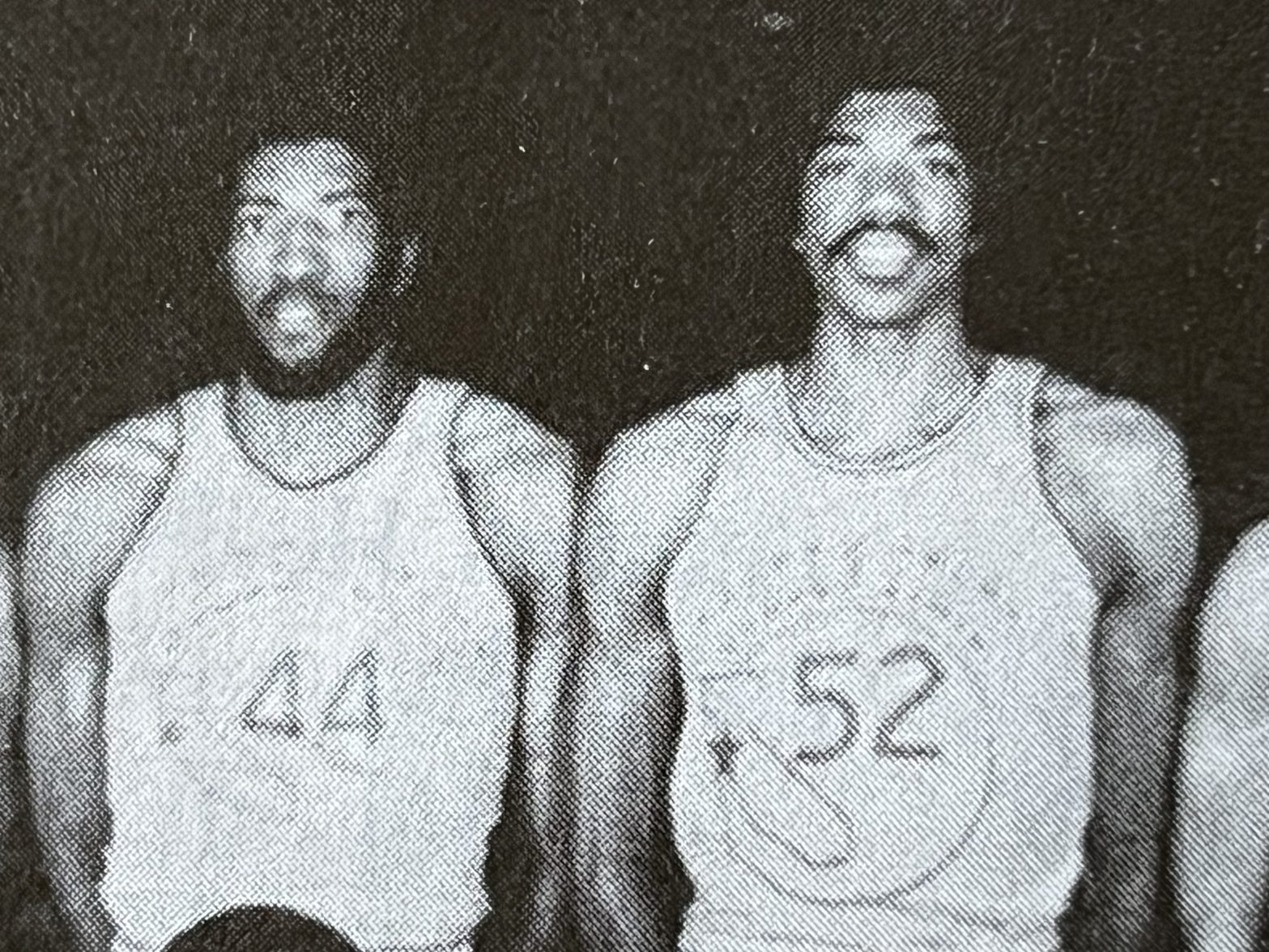
The concept of keeping rested bodies in a contest at all times was an Attles’ trademark throughout the 1974-75 season. And the center position, perhaps embodied that theory more than any other.
Golden State: That Championship Season, 1975
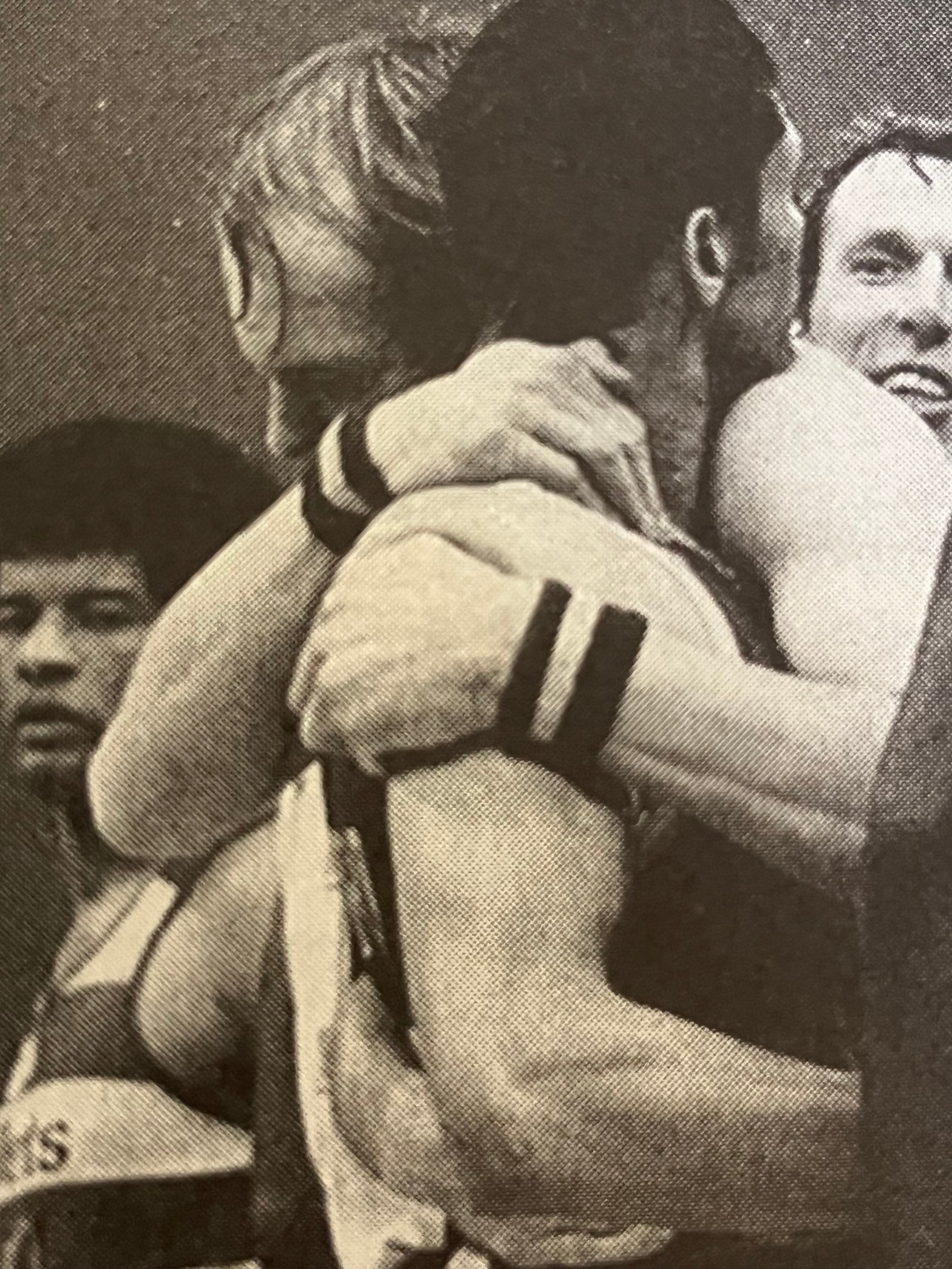
I never met a person with the integrity of Franklin Mieuli. When I die, I want it to say on my tombstone: ‘Frankin, I owe you one.’”
Golden State Warriors: We Are The Champions, 1975
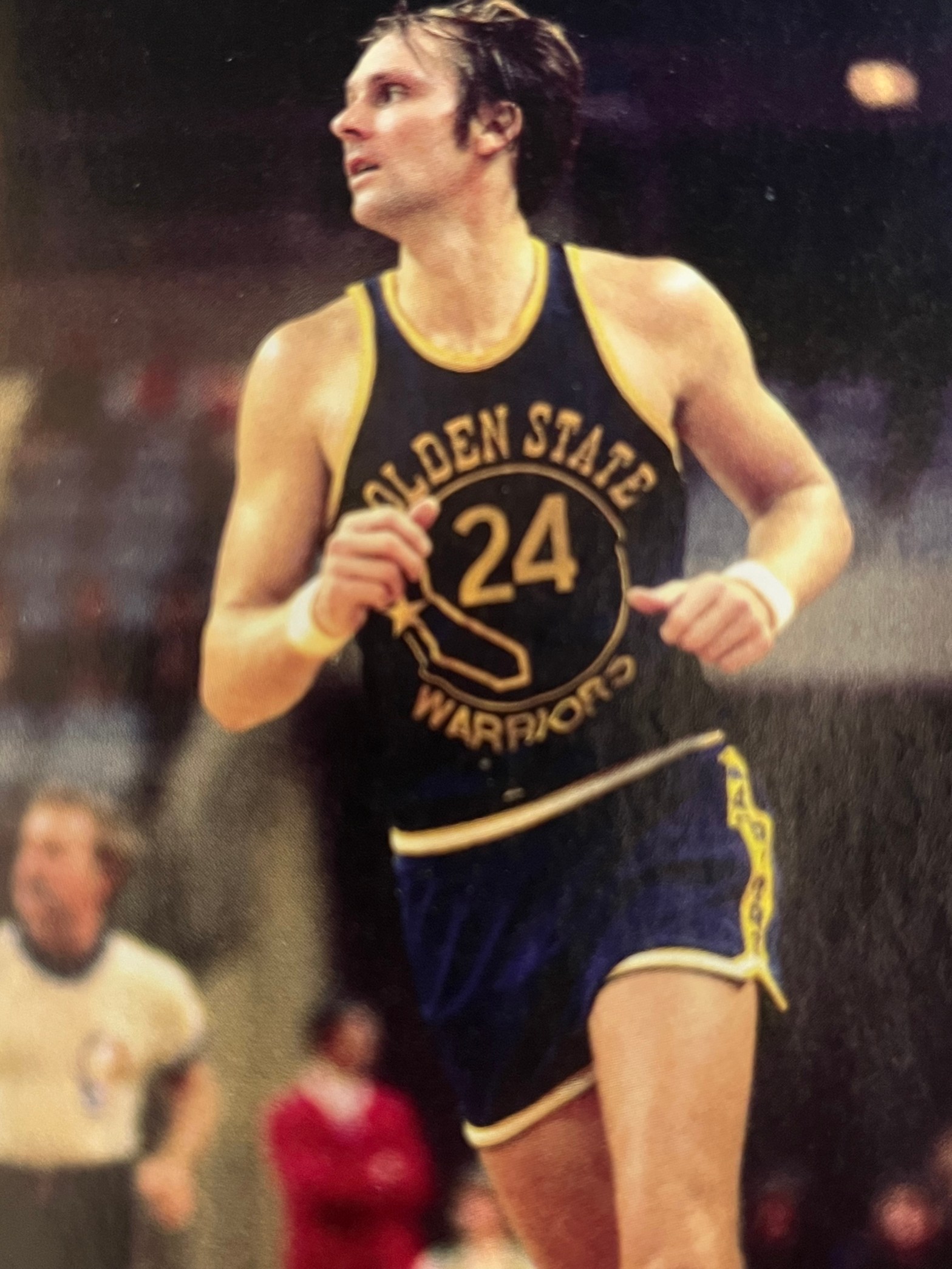
The Warriors were not favored to win. Little, if any attention was given to the club’s determination and progression of improvement.
Cazzie Russell: Trading Places, 1972
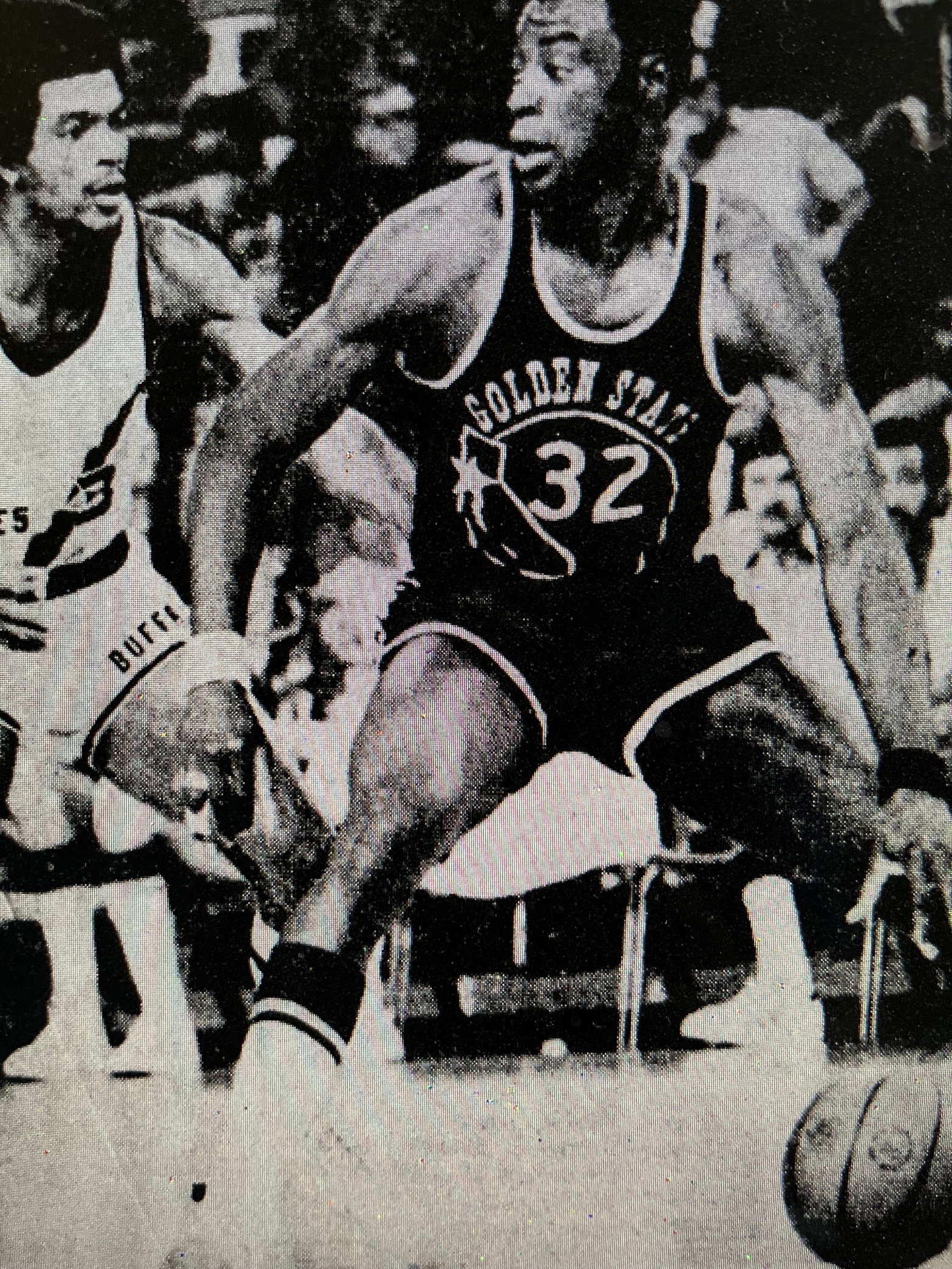
Inevitably, Russell is compared to the Warriors’ former Wonder Boy, Rick Barry, which is unfair to Cazzie. He is not the offensive player that Barry was with the Warriors, but he does have some of the same characteristics.
Together Forever: Chris Webber and Penny Hardaway, 1994
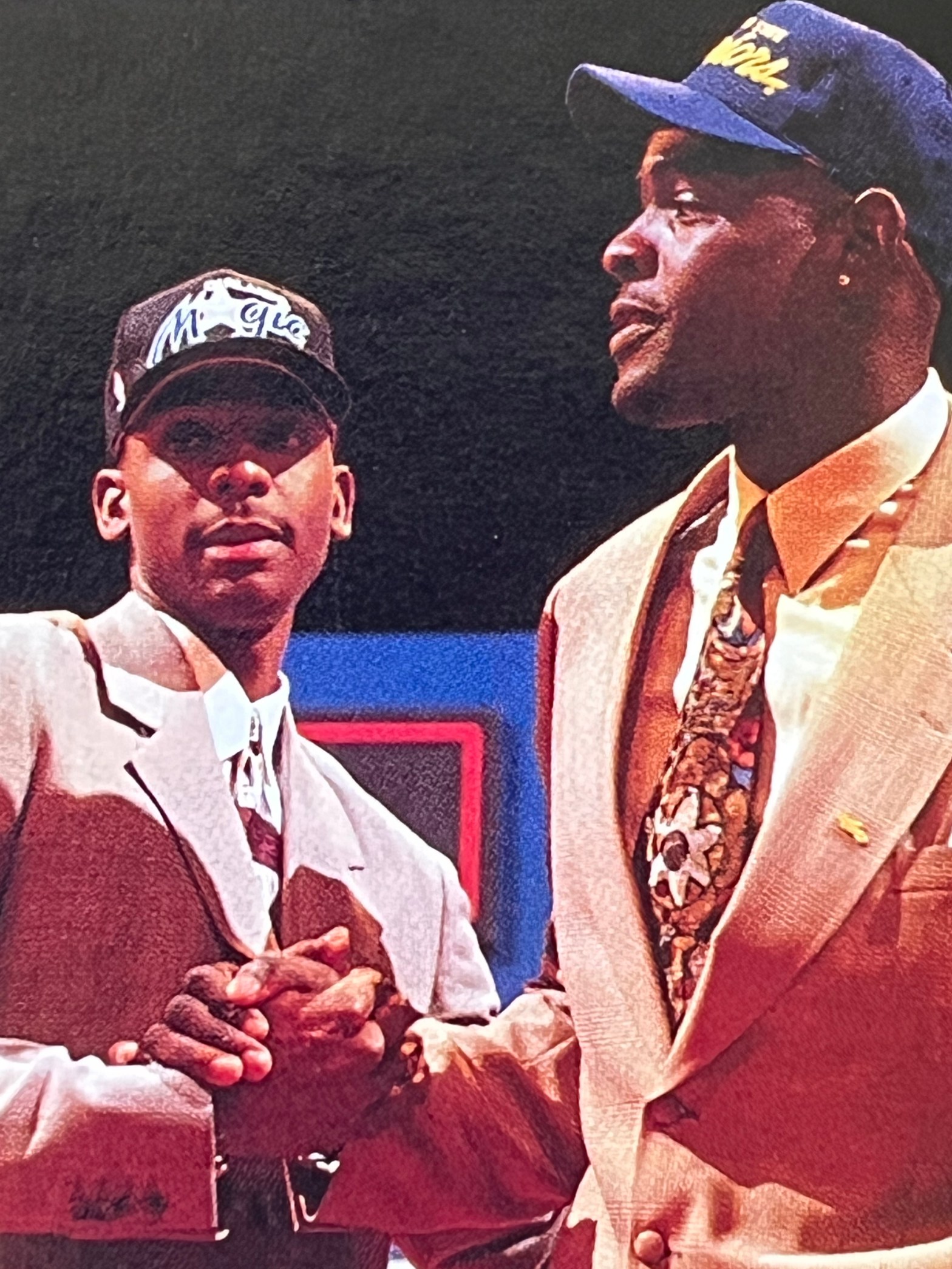
Chris Webber and Anfernee (Penny) Hardaway might try to juke comparisons to each other much as they would an overmatched defender, but there’s no dribbling around it.
Nate Thurmond: Welcome to the Machine, 1975
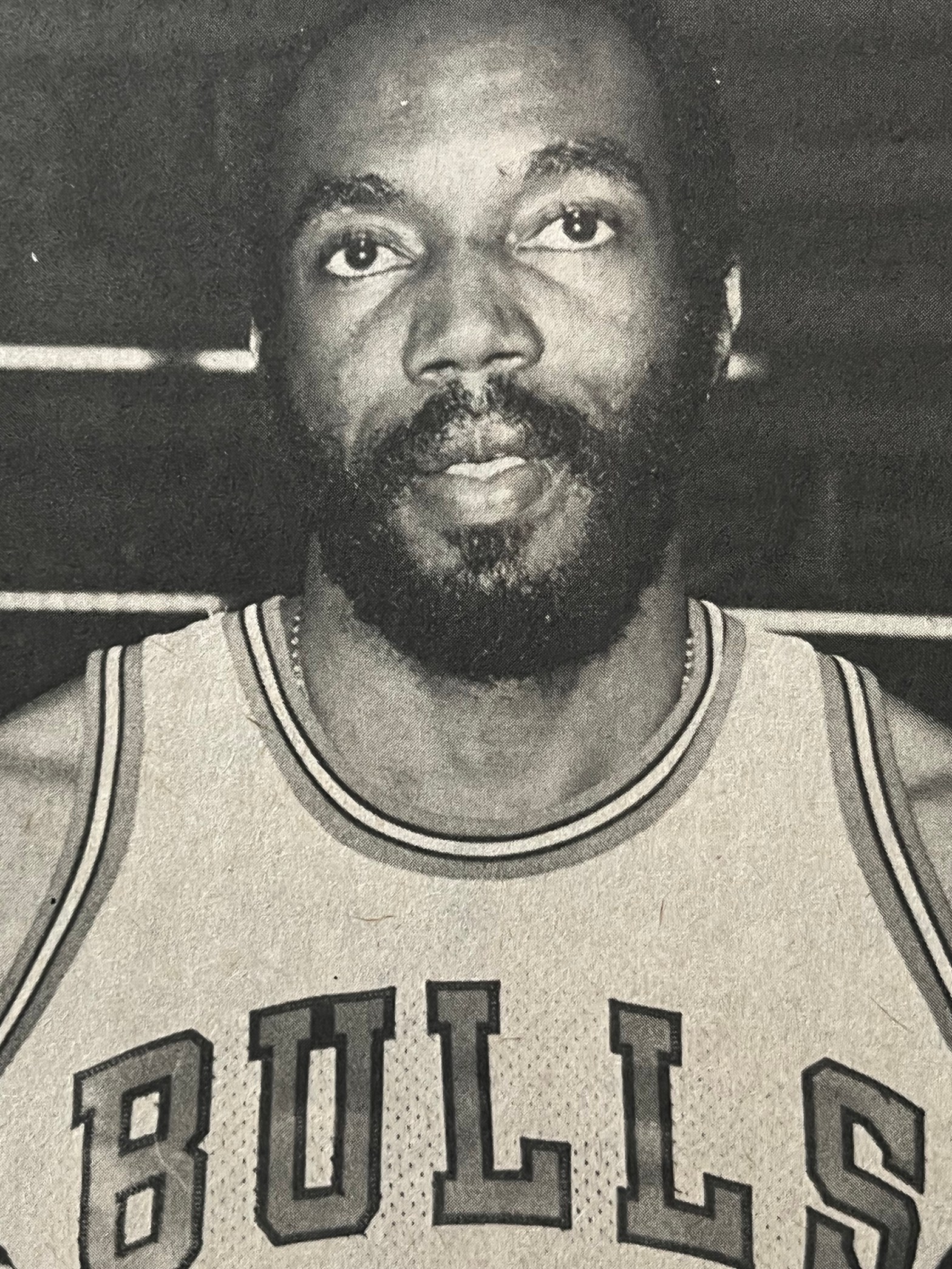
Dick Motta pretends not to count the years he will have Thurmond. He thinks instead of the years he didn’t have Thurmond. “I’ll tell you personally how I feel about it,” said Motta. “I’ve been in this league seven years, and I deserved the right to coach Nate Thurmond.”
Brooklyn’s Finest: Bernard and Albert King, 1984

By all accounts, Albert is still the polite, gracious kid he always was. The pros haven’t changed him one iota. The same isn’t true for Bernard. He’s changed dramatically.
 From Way Downtown