
The guiding hand behind those brilliant personnel decisions was, of course, Auerbach, the feisty, little, self-proclaimed “dictator” of the Celtics, who is still the club’s general manager and still producing winners. There is no longer a dynasty in Boston simply because no new Bill Russell has come along—and probably never will.
Tag Archives: 1960s NBA
Bill Sharman Sends Warriors on Warpath, 1967
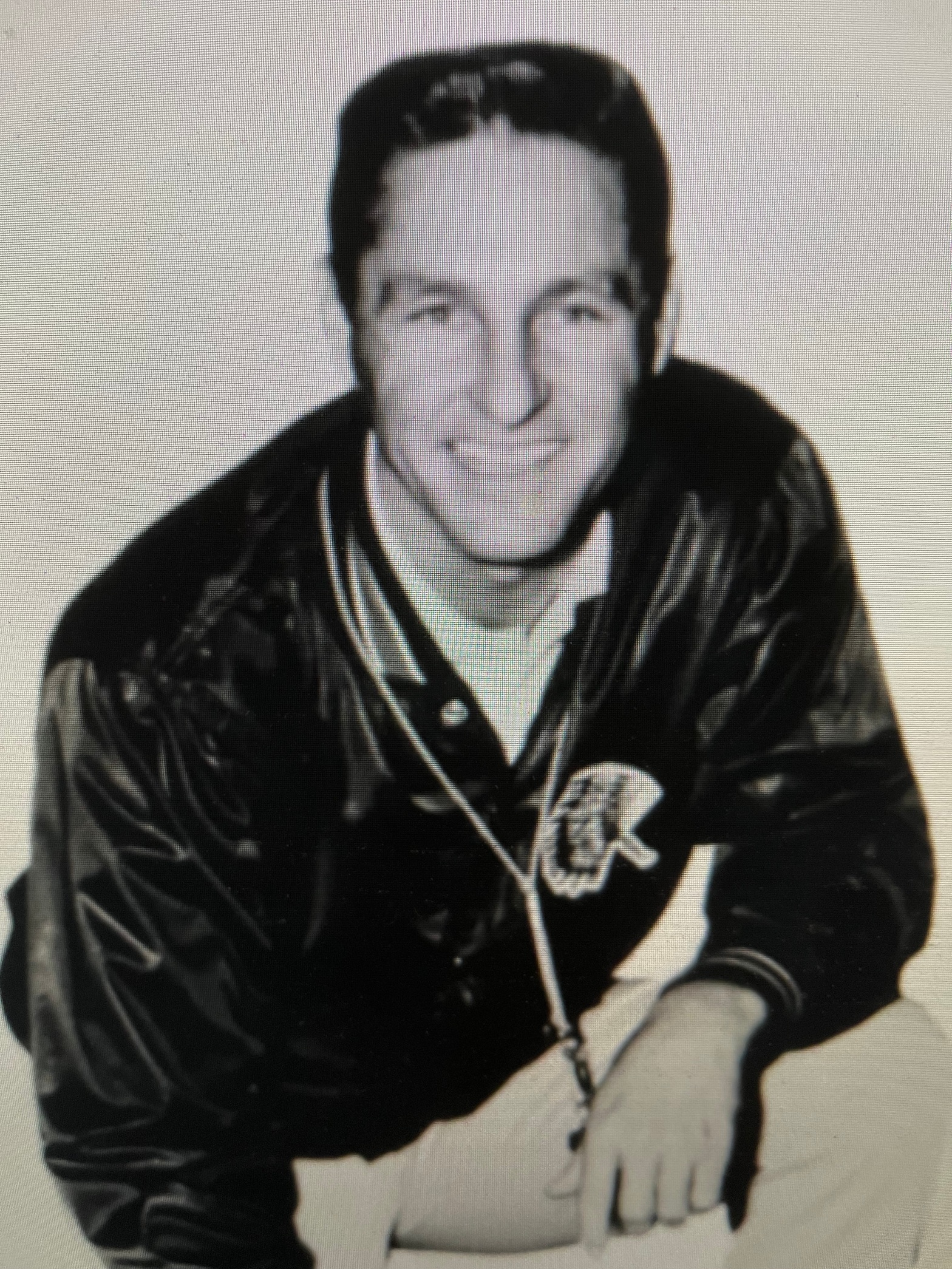
Sharman, a sharp observer as a well as one of the finest shooters in the history of basketball, knew all about Auerbach’s methods and had a number of ideas of his own.
Tom Gola: ‘Two Hank Luisettis Wrapped in One,’ 1962
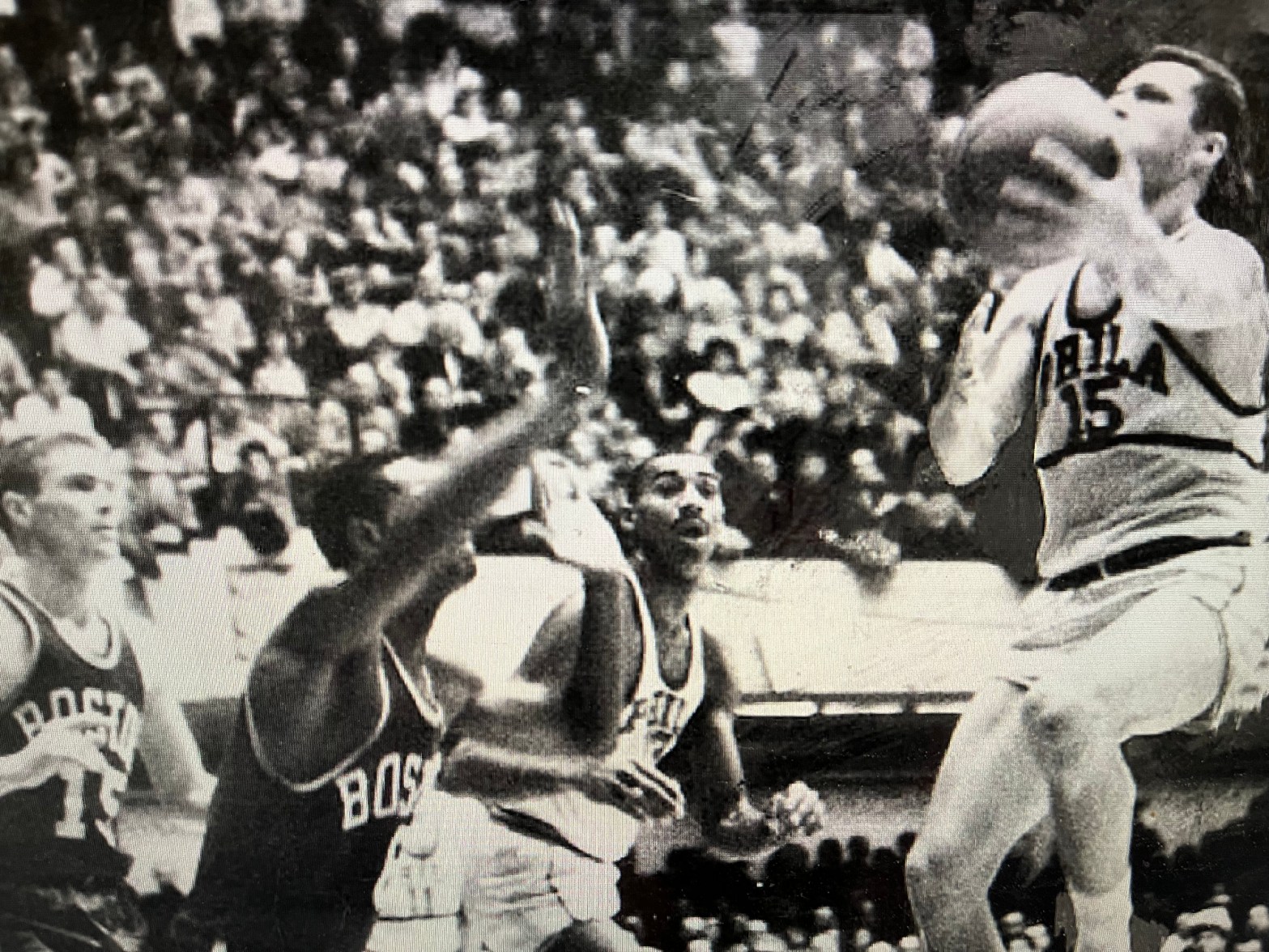
The quiet, crewcut with a Johnny Murphy type of jaw and brown eyes is one of the most inconspicuous fellows on the floor. He is ready to sacrifice personal glory for team triumph.
Three Cheers and a Hoorah for Guy Rodgers
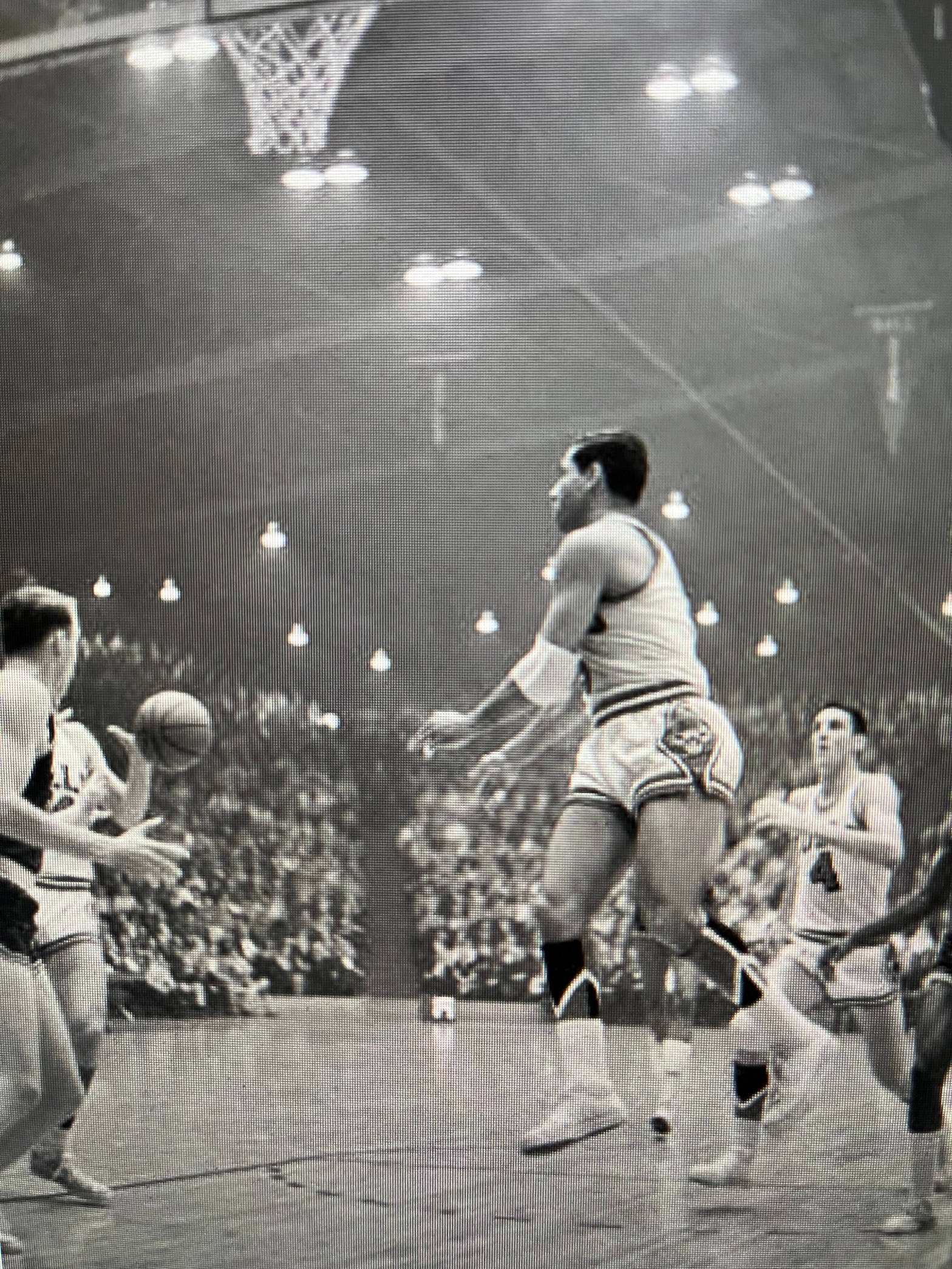
As quick as Allen Iverson is and as fast as he gets the ball up and down the court—and he’s one of the top five in the history of the NBA—number one is Guy Rodgers. That’s Nate “Tiny” Archibald saying that.
Luke Jackson’s New Role, 1969

“I don’t feel any pressure now,” Jackson said just before reporting to camp. But the intonation of his voice made you doubt his words. Then, speaking more firmly, more positively, he added, “I’ll do my best. What more can I do?”
Rick Barry: Telling It Like It Is, 1967
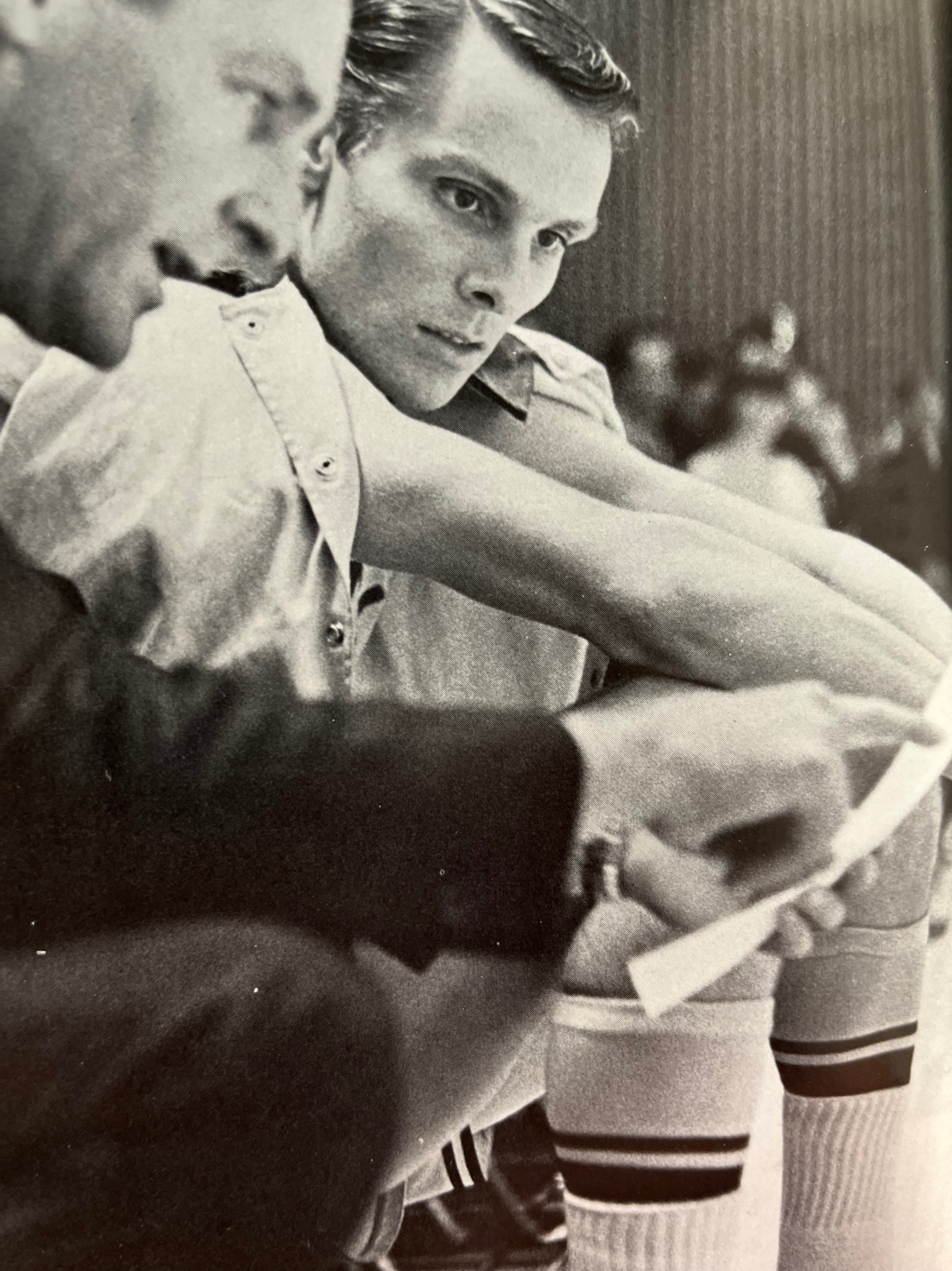
For me, basketball has always been fun. Under Bill Sharman, it was no fun.
Connie Hawkins: The Unjust Exile of a Superstar, 1969
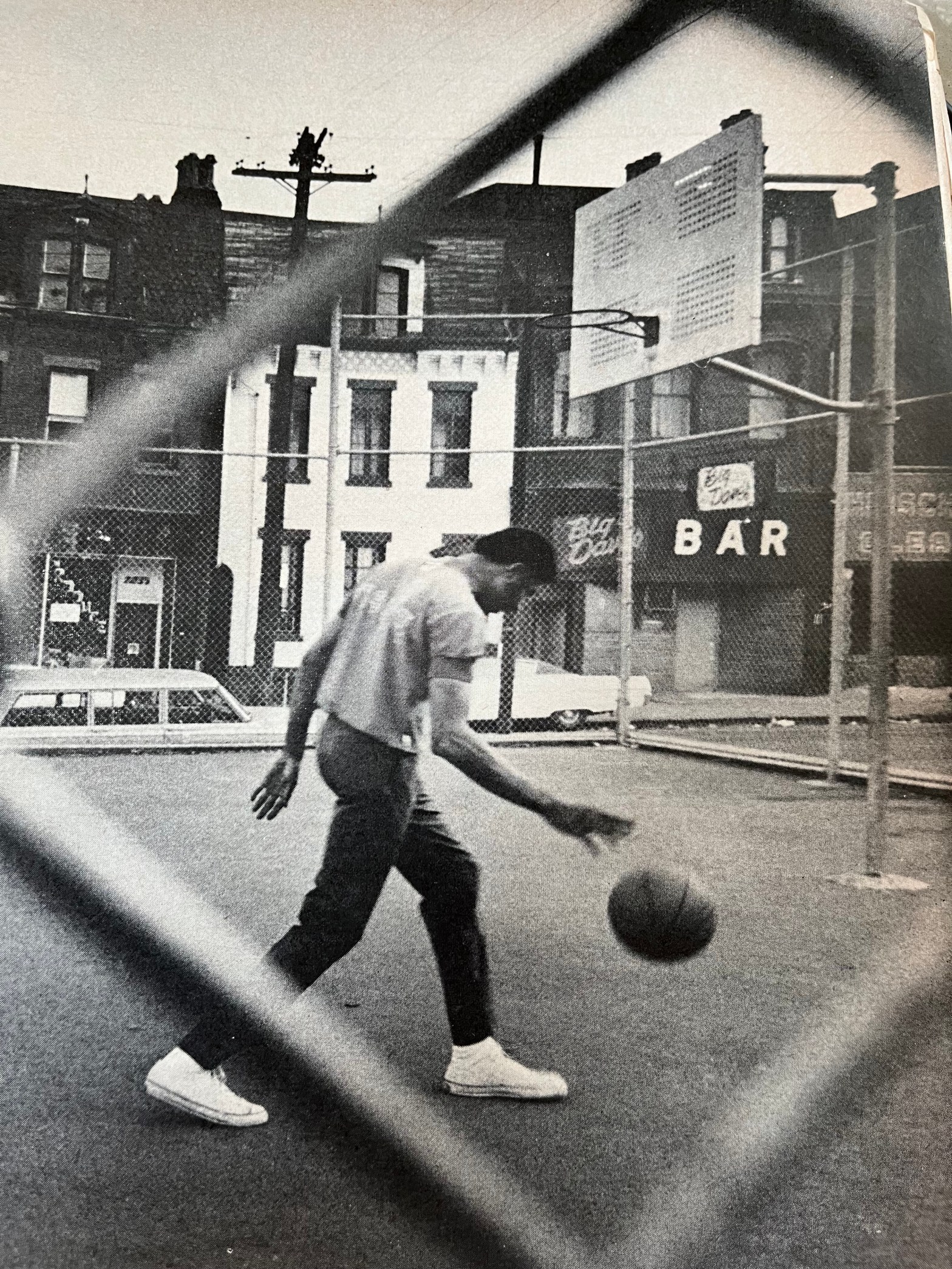
Hawkins was a tiny piece of evidence. Why did the DA’s office grill him so rigorously? Because it wasn’t easy to tell which players were lying.
Pickles Kennedy: A Big Dill From the 1950s
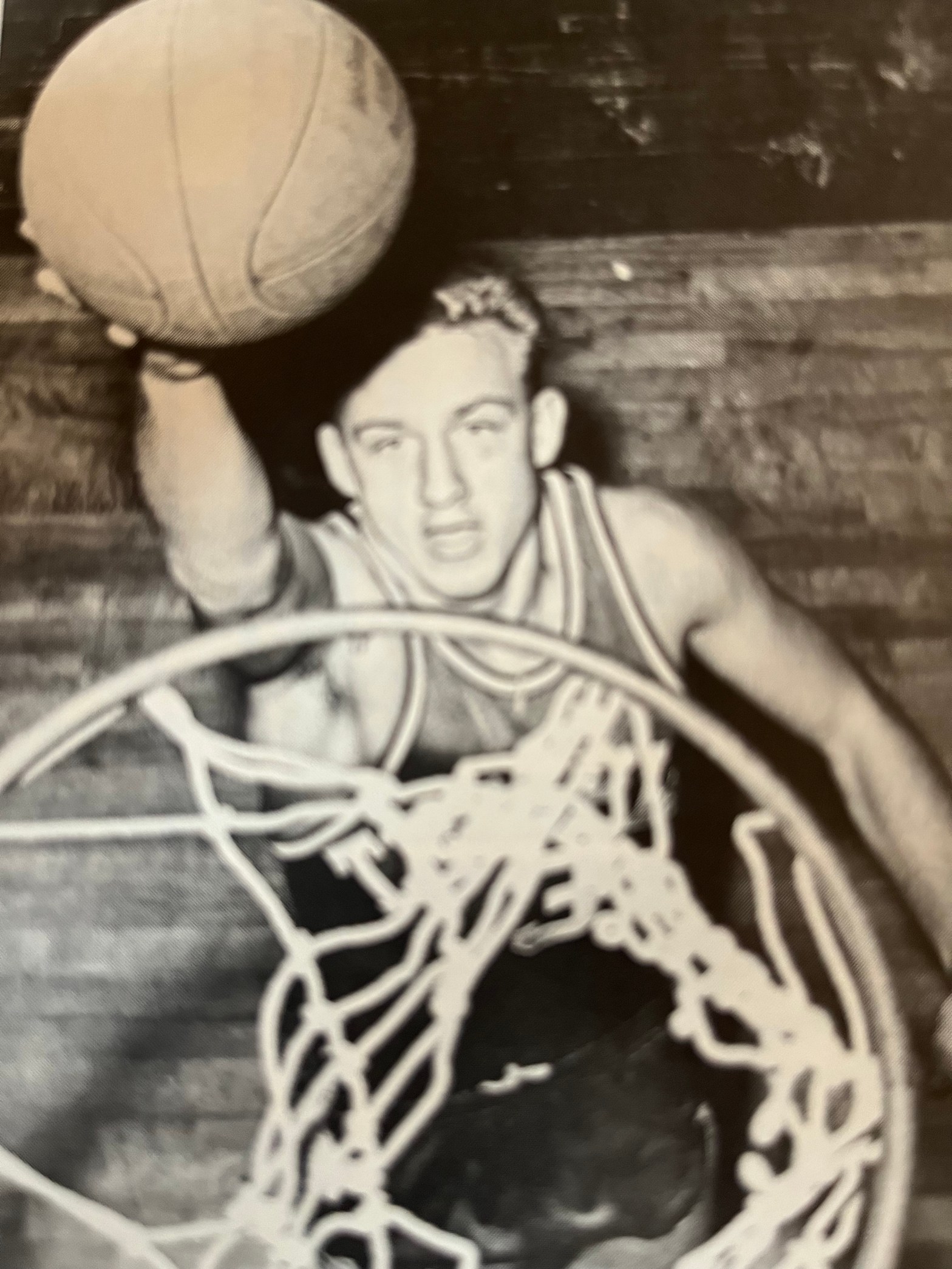
Pickles sizzled. Watching him with the pill in his hands was like listening to Jerry Lee Lewis. Great balls of fire.
The Pro’s Pros: Jerry West and John Havlicek, 1969
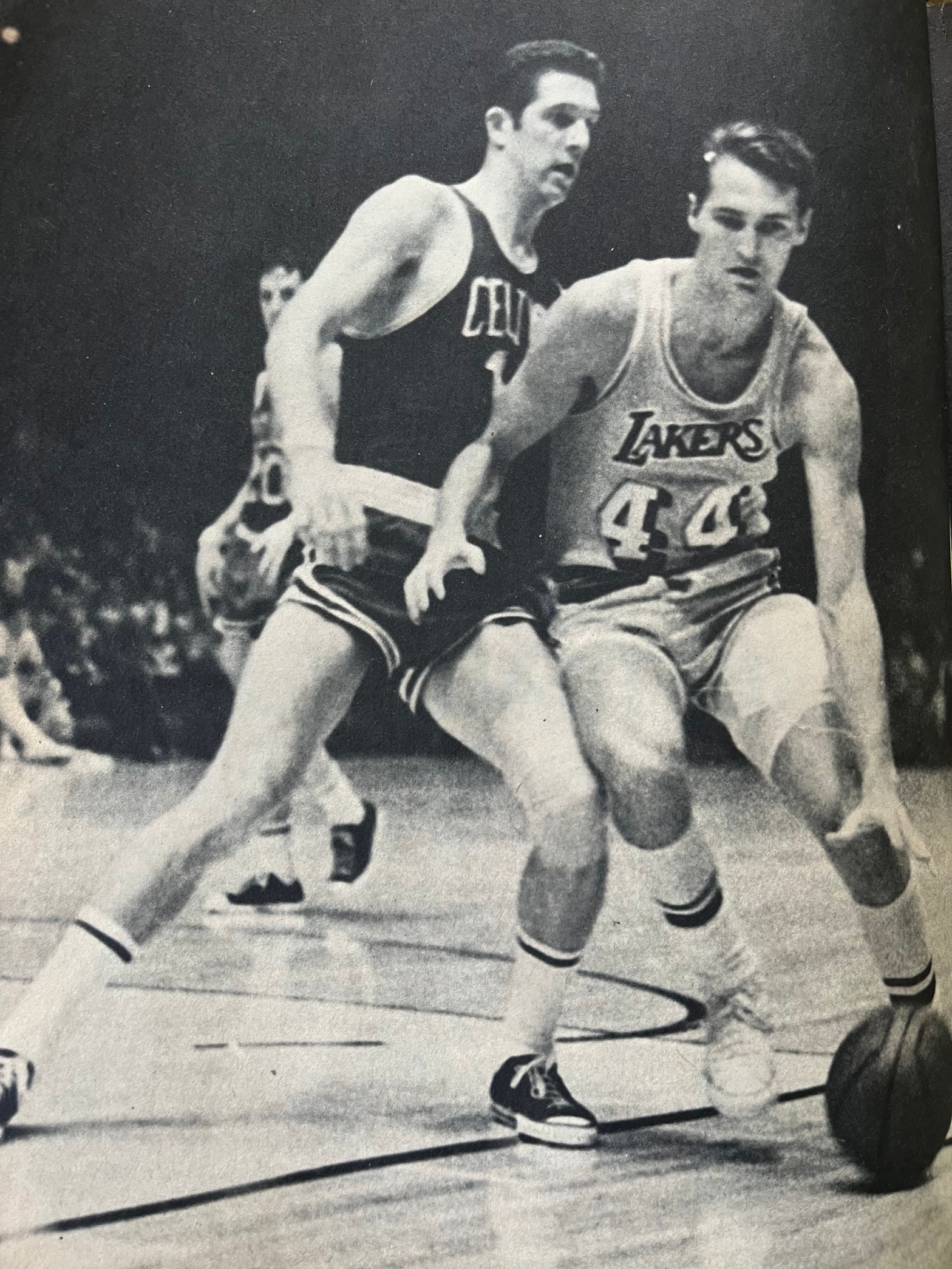
Both are intense competitors. To say such is to use a cliché used too often about too many. The fact is, under pressure, some choke up, some do as well as they usually do, only a handful do better.
K.C. Jones Talks Defense, 1973
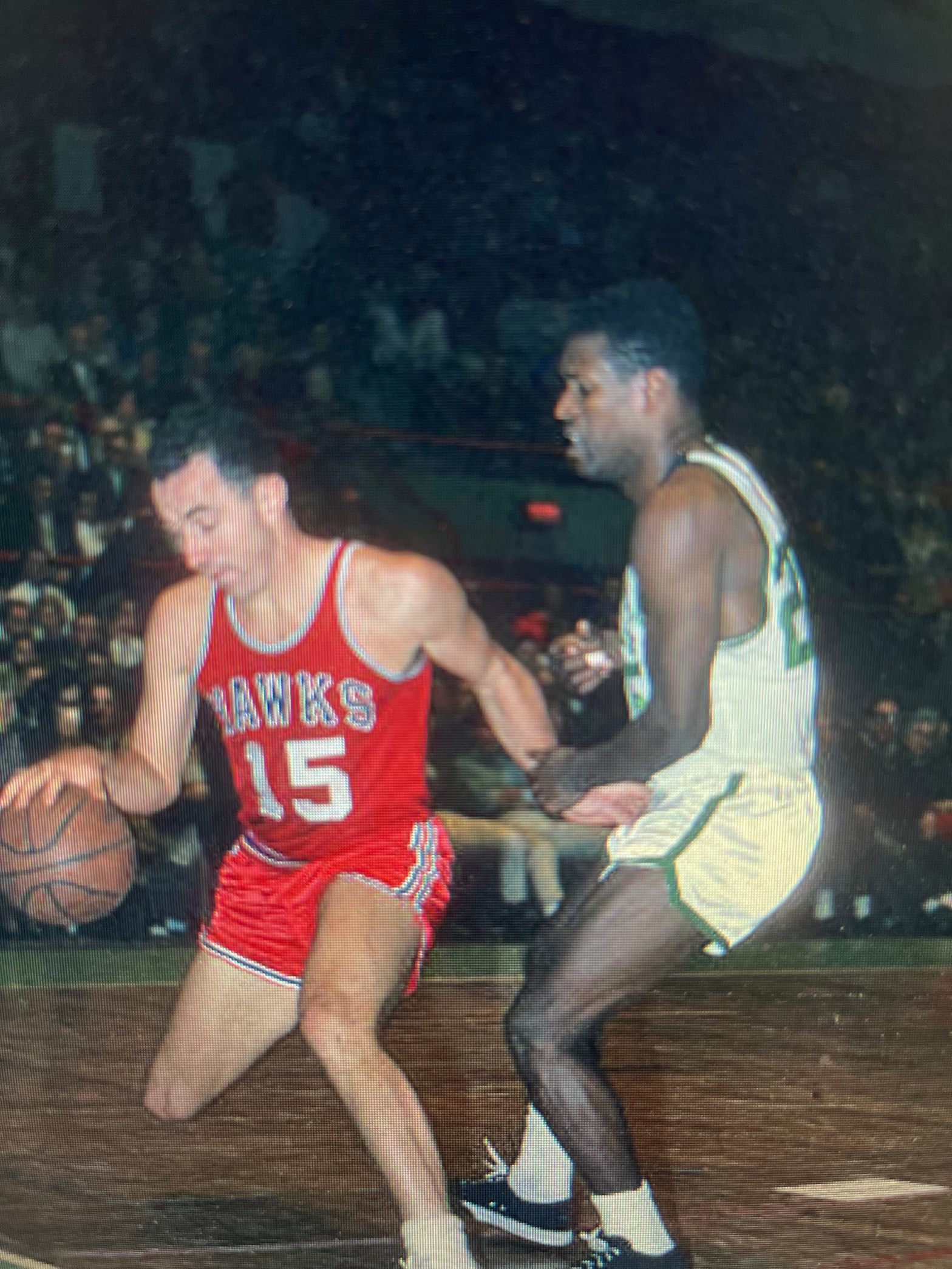
What was Jones’ requisite for trying to defend opposing supers? “Learn as much as possible about their strengths and weaknesses and master the basic fundamentals of defense.”
 From Way Downtown