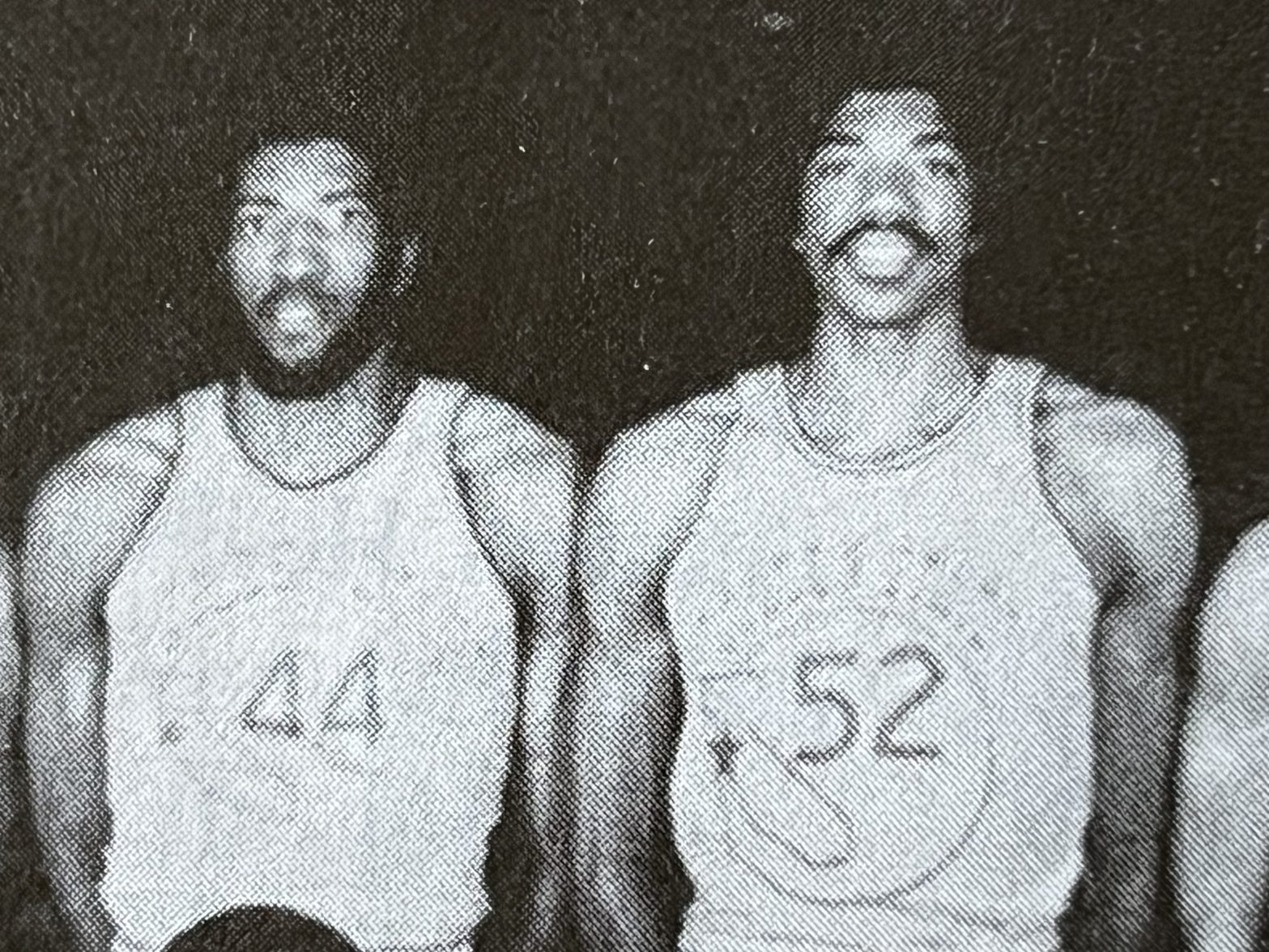
The concept of keeping rested bodies in a contest at all times was an Attles’ trademark throughout the 1974-75 season. And the center position, perhaps embodied that theory more than any other.
Tag Archives: Al Attles
Golden State: That Championship Season, 1975
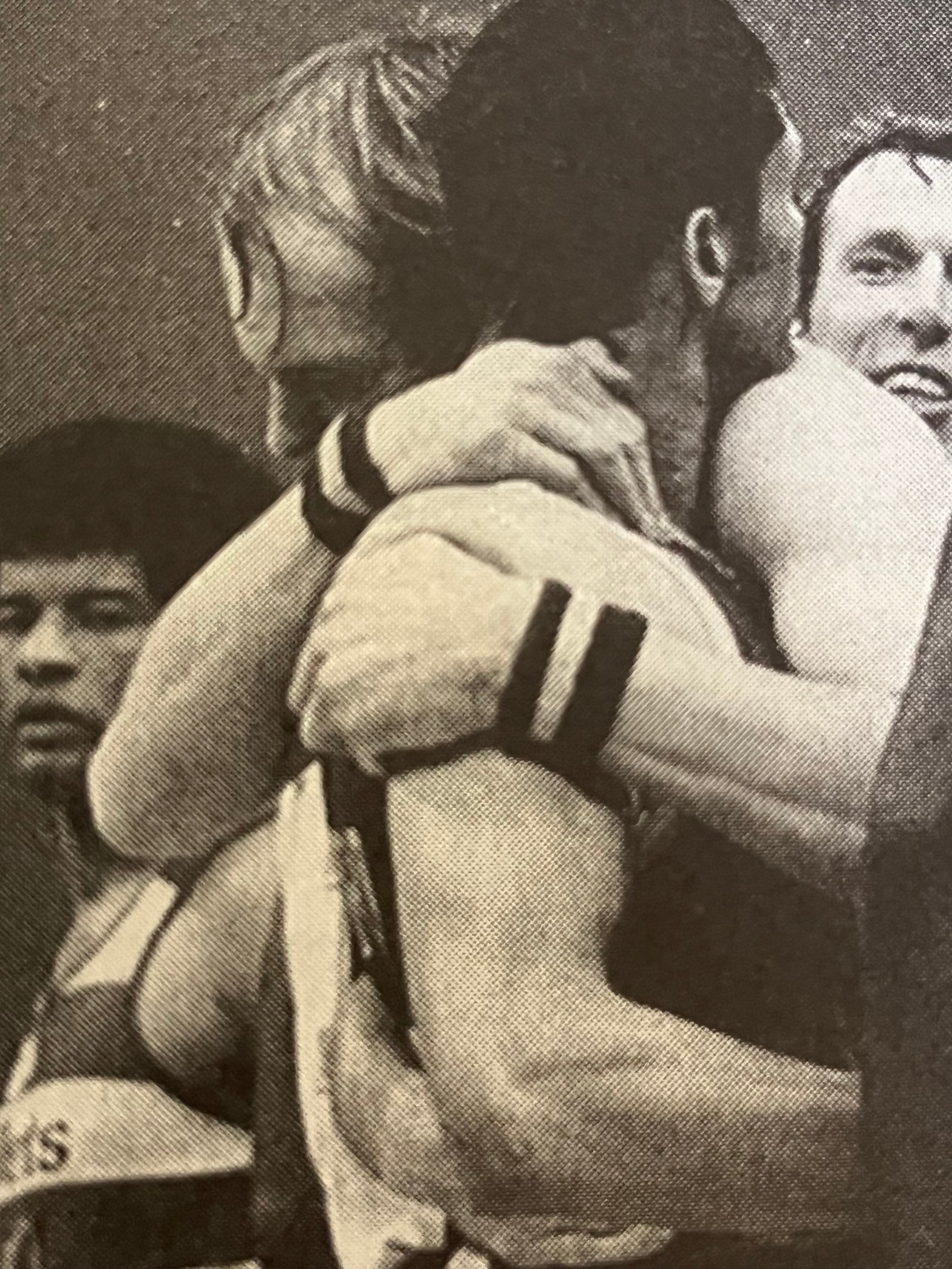
I never met a person with the integrity of Franklin Mieuli. When I die, I want it to say on my tombstone: ‘Frankin, I owe you one.’”
Golden State Warriors: We Are The Champions, 1975
The Warriors were not favored to win. Little, if any attention was given to the club’s determination and progression of improvement.
Cazzie Russell: Trading Places, 1972
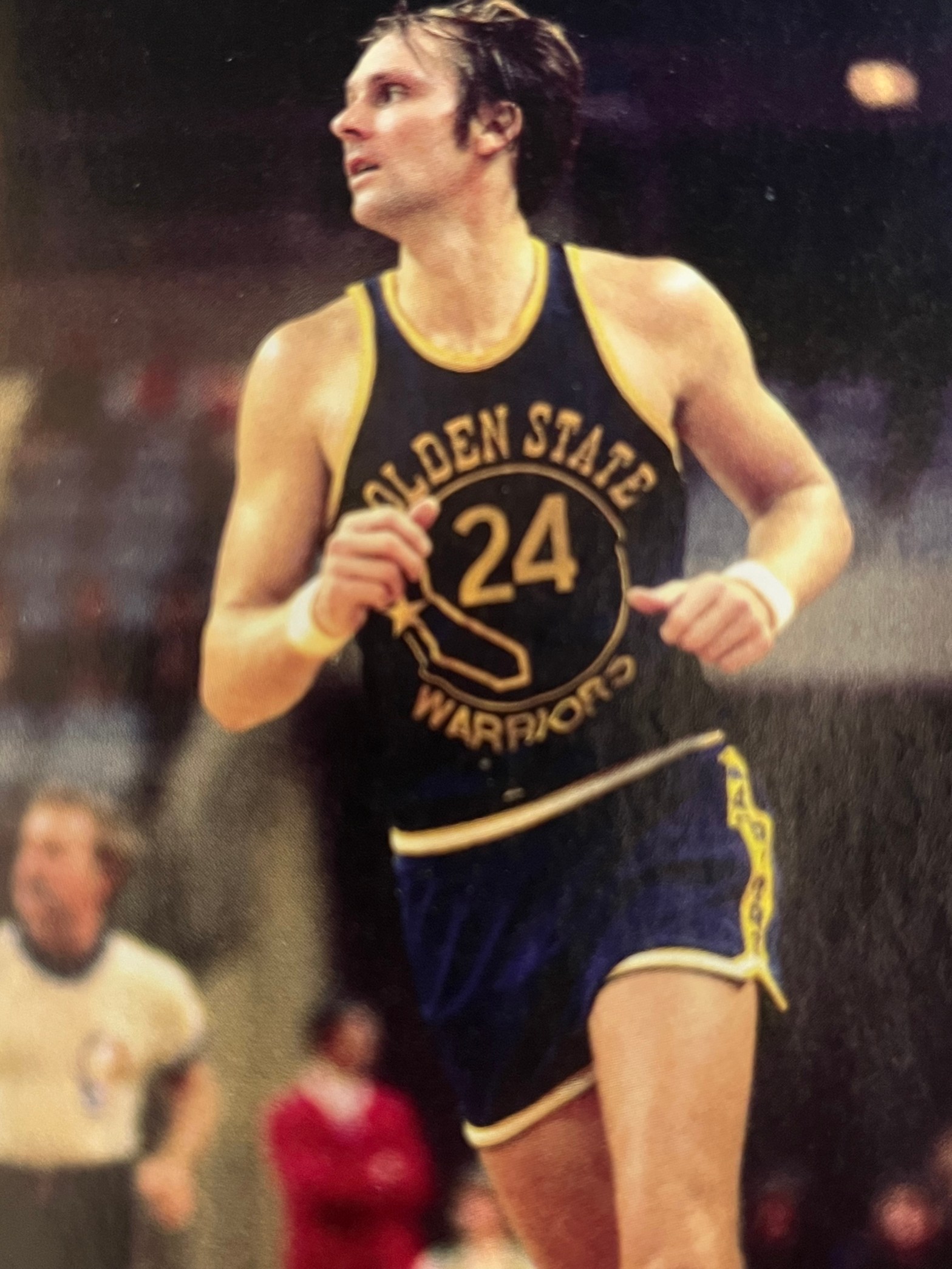
Inevitably, Russell is compared to the Warriors’ former Wonder Boy, Rick Barry, which is unfair to Cazzie. He is not the offensive player that Barry was with the Warriors, but he does have some of the same characteristics.
The $10 Million Gamble to Save Pro Basketball: Bill Walton and Larry Bird, 1980
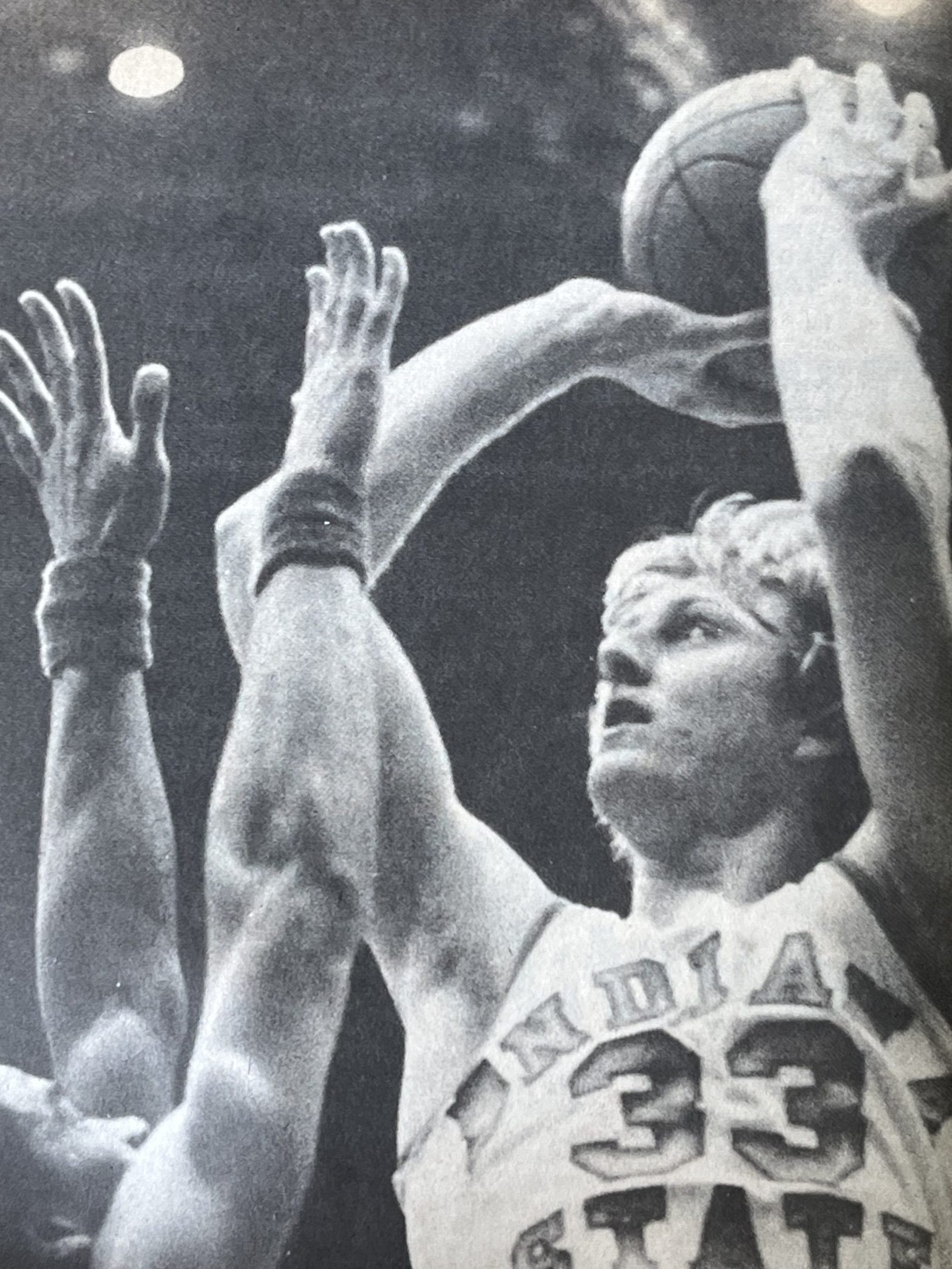
The Clippers and Celtics paid a fortune to get them. Now, they and the rest of the league can only hope Walton and Bird get back the fans and make pro basketball “The Sport of the 1980s.”
Brooklyn’s Finest: Bernard and Albert King, 1984

By all accounts, Albert is still the polite, gracious kid he always was. The pros haven’t changed him one iota. The same isn’t true for Bernard. He’s changed dramatically.
World B. Free: The Artist Formerly Known as Lloyd, 1983

There is a maturity about Free that had been missing before, partly because his Gus Williams-style balding pate, gives him a look beyond his years. But that maturity largely is due to his growth as an athlete, as a leader.
Tim Hardaway: Crosses Over to the NBA Elite, 1991

lready, learned observers are starting to ease him into the NBA point guard pantheon with Magic, Isiah, Kevin Johnson, and John Stockton.
Bill Sharman Sends Warriors on Warpath, 1967
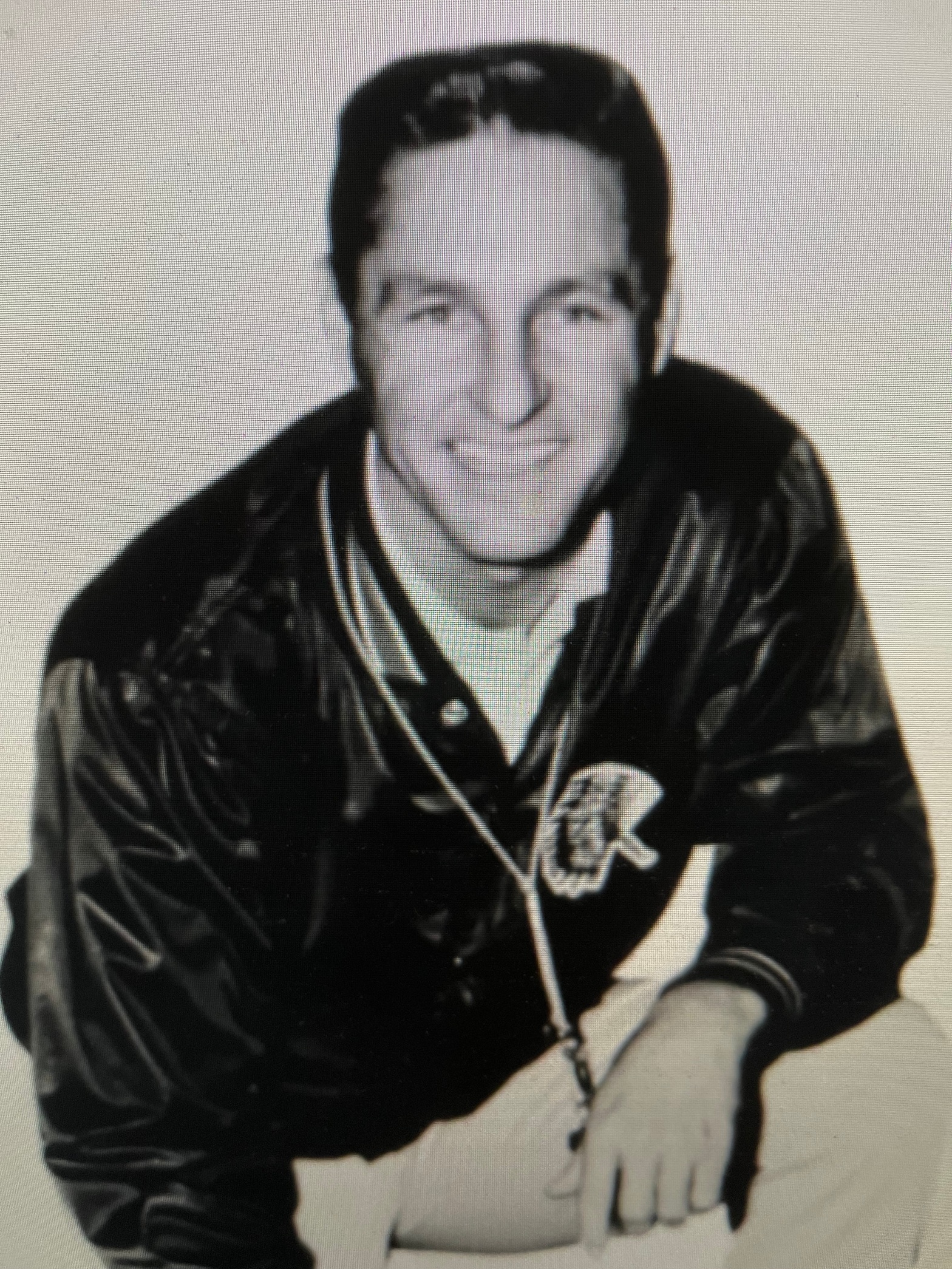
Sharman, a sharp observer as a well as one of the finest shooters in the history of basketball, knew all about Auerbach’s methods and had a number of ideas of his own.
As Right as Clifford Ray, 1975
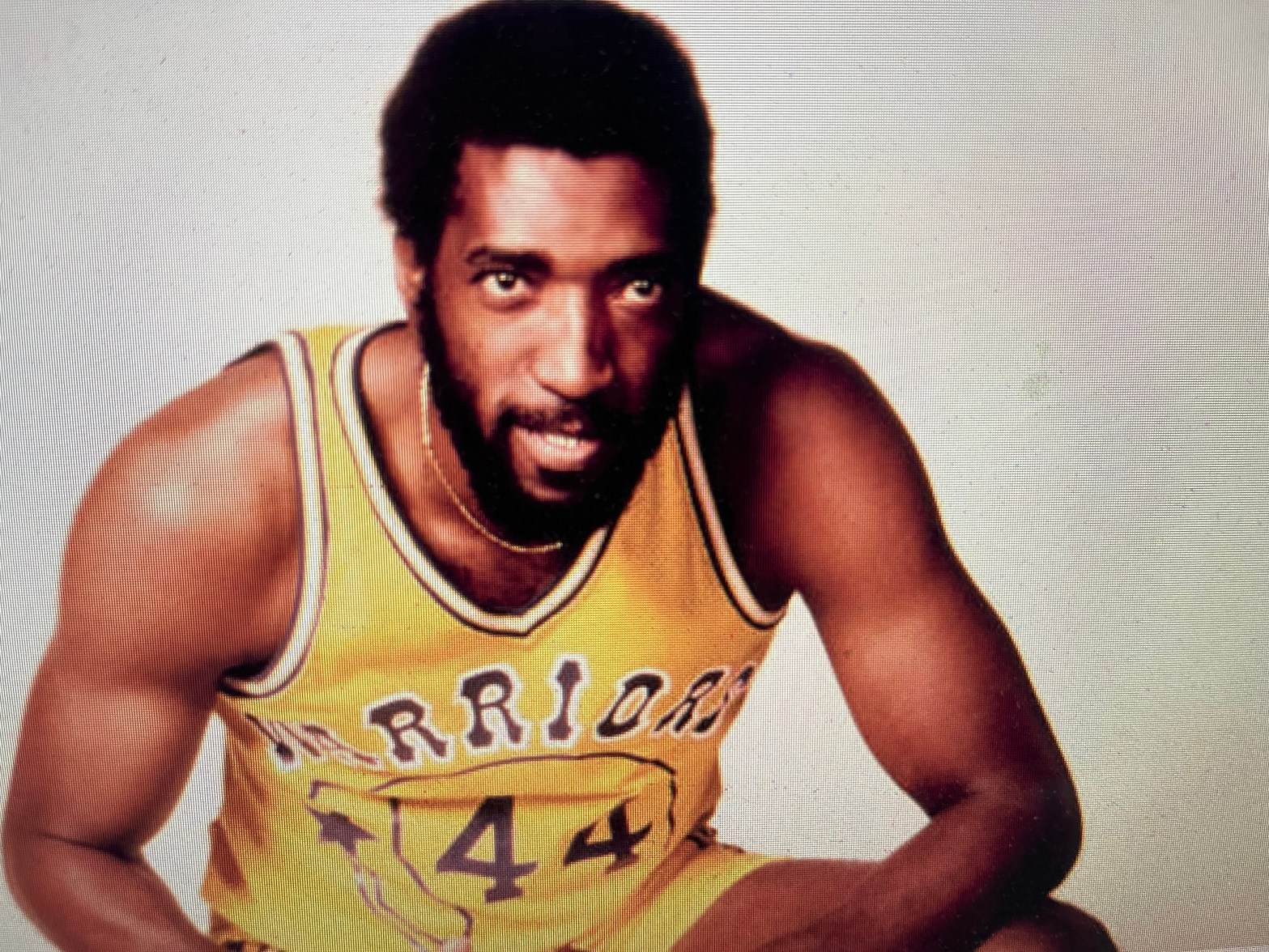
And through it all, Ray seeks one thing—respect—from his coach, from his teammates. And surely, from himself. “If you’re your own worst critic,” he feels, “you’ll always be all right.”
 From Way Downtown