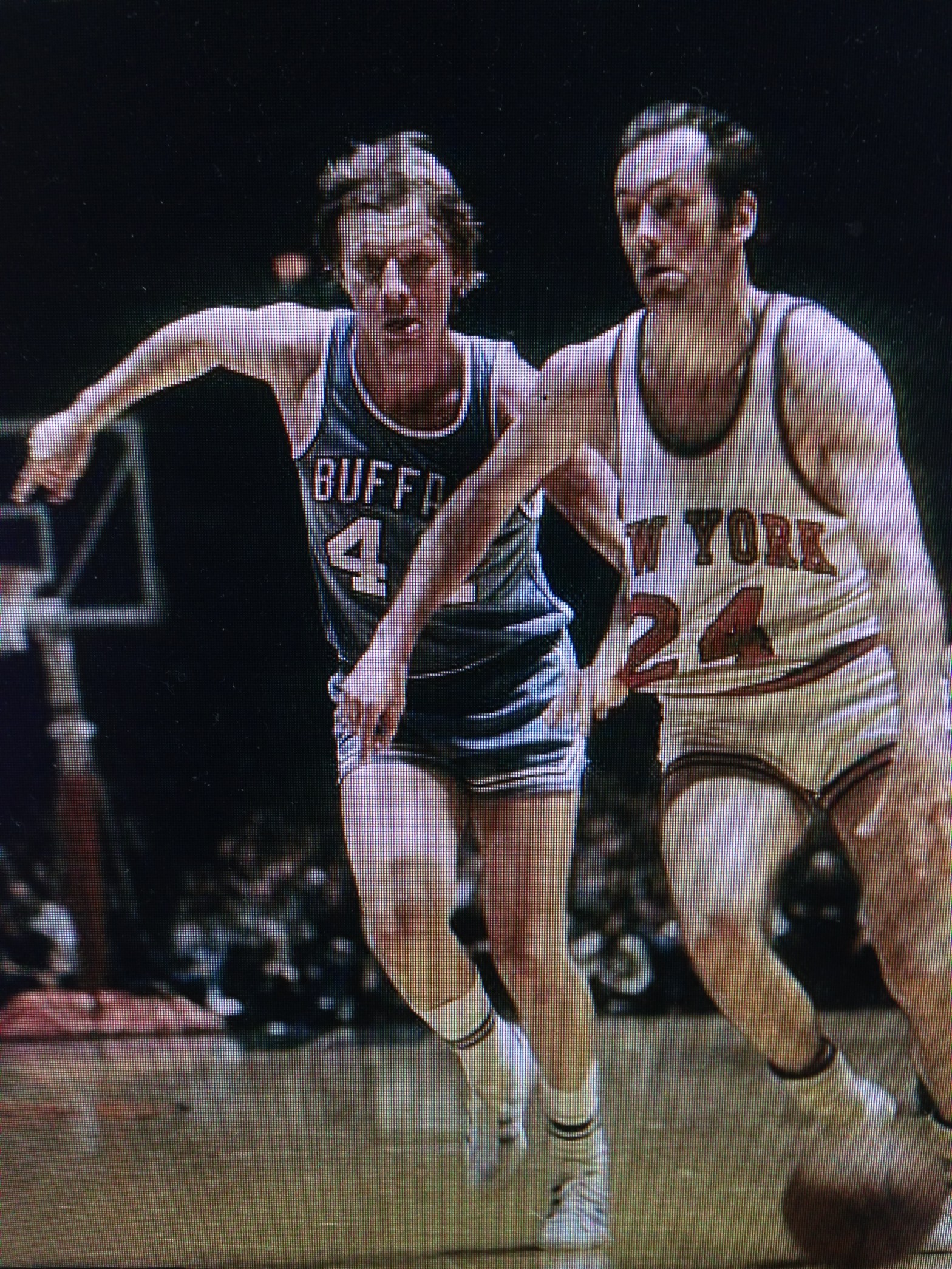
Basketball may be the No. 1 sport in New York, but the Knicks no longer will be kings of the NBA.
Tag Archives: Bill Bradley
The First and Final Year of Bill Bradley, 1973
It isn’t easy to strip away the superlatives, to assess Bill Bradley calmly, to look at both the veteran pro and the rookie pol.
Dave DeBusschere: The Man Who Filled Four Positions, 1971
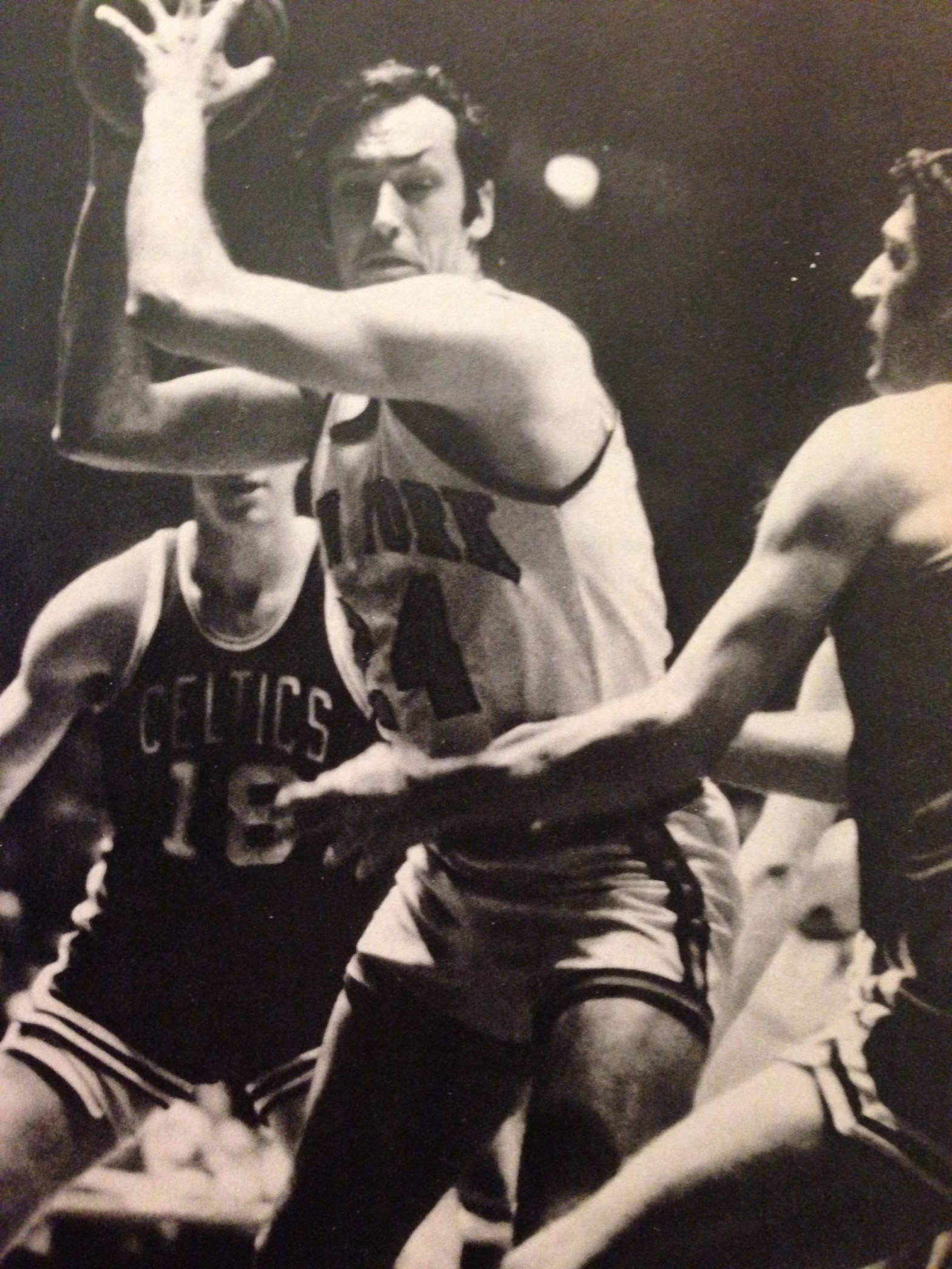
DeBusschere is, without a doubt, New York’s Most Valuable Player.
The Pressure Facing Bill Bradley, 1968
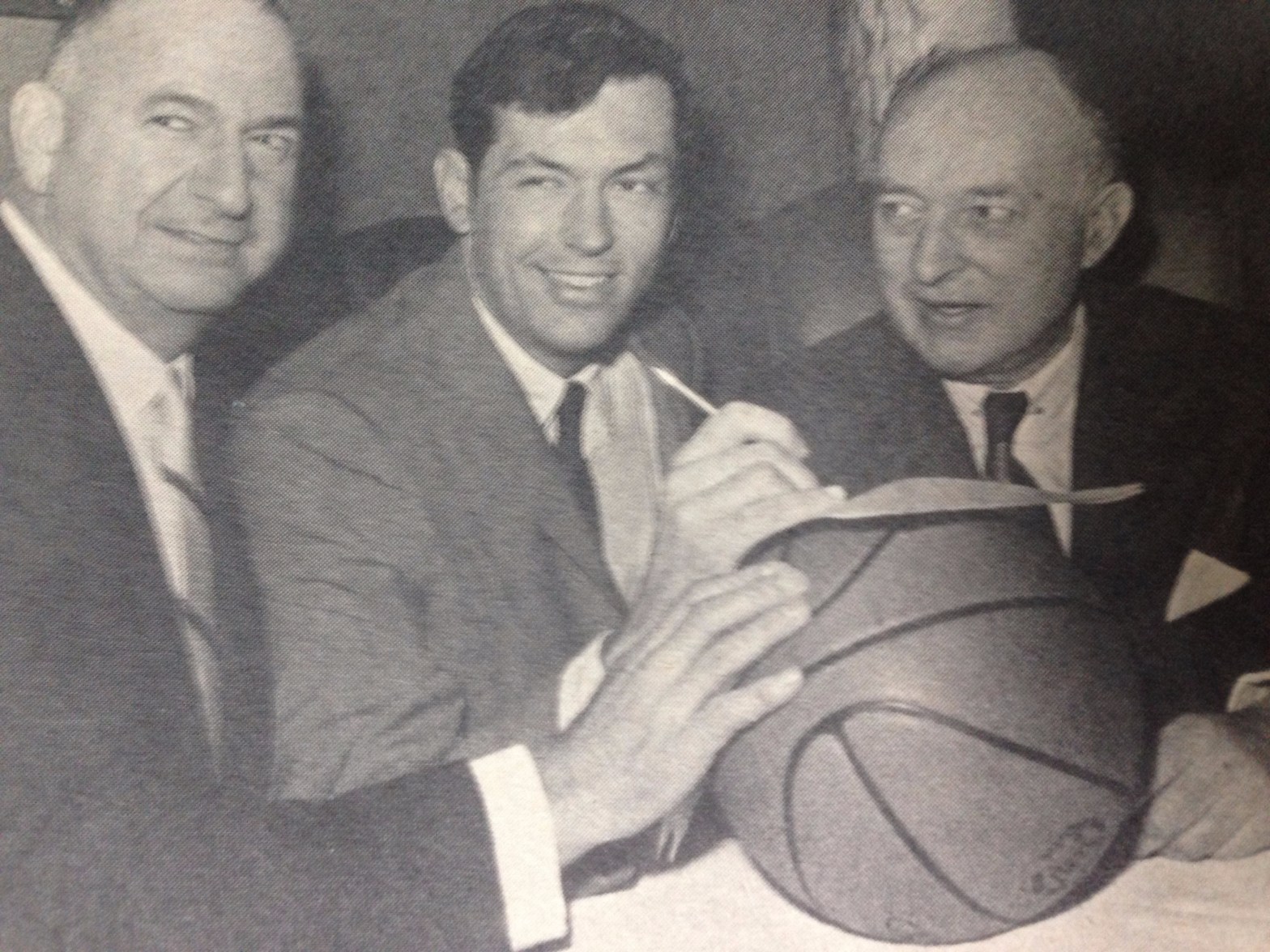
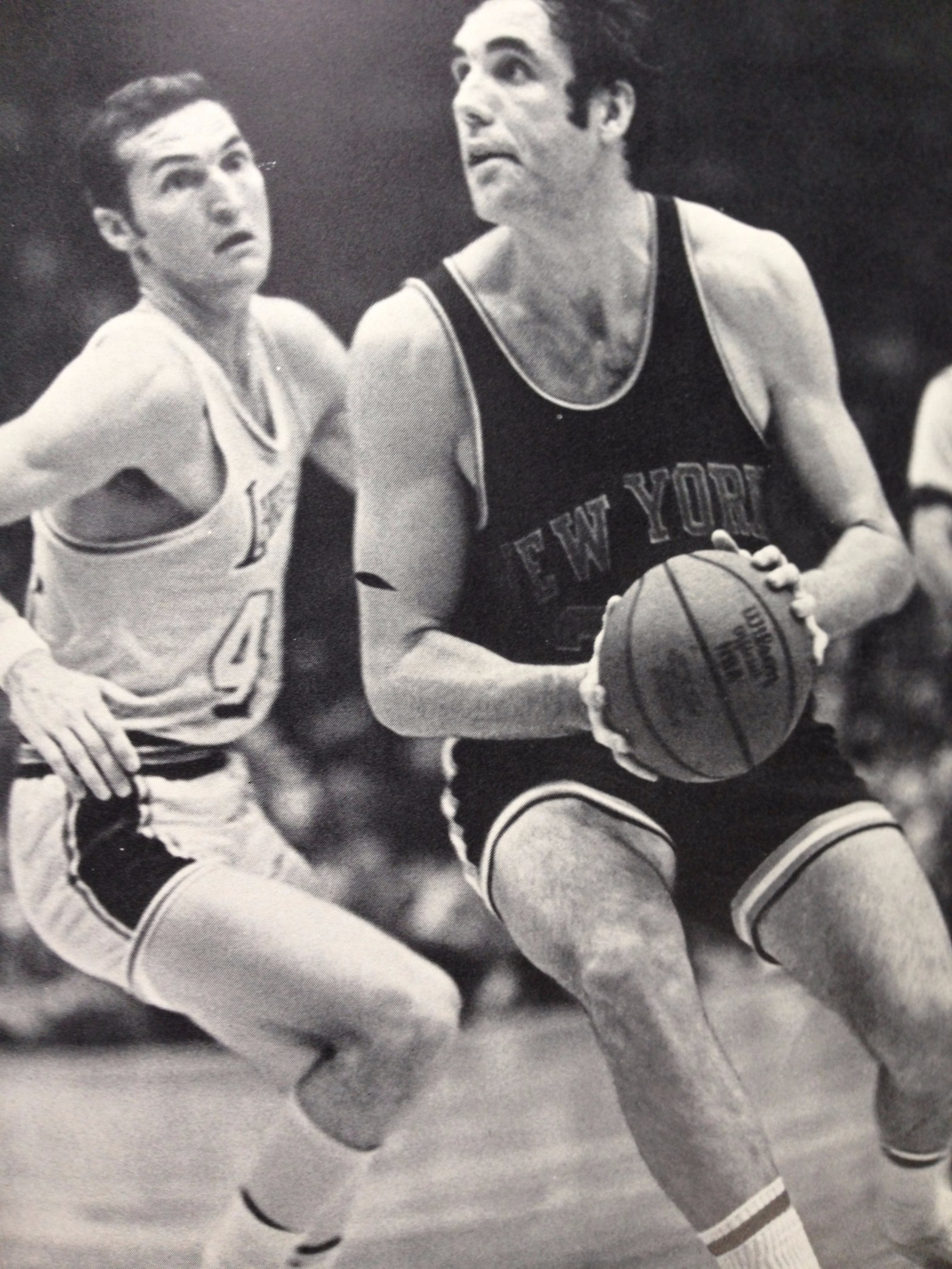
Bradley has been described in print as poised, polished, glib, suave, witty, studious, ambitious, a paradox, exciting, brilliant, even devilish.
The Secret Behind the Amazing Knicks, 1970
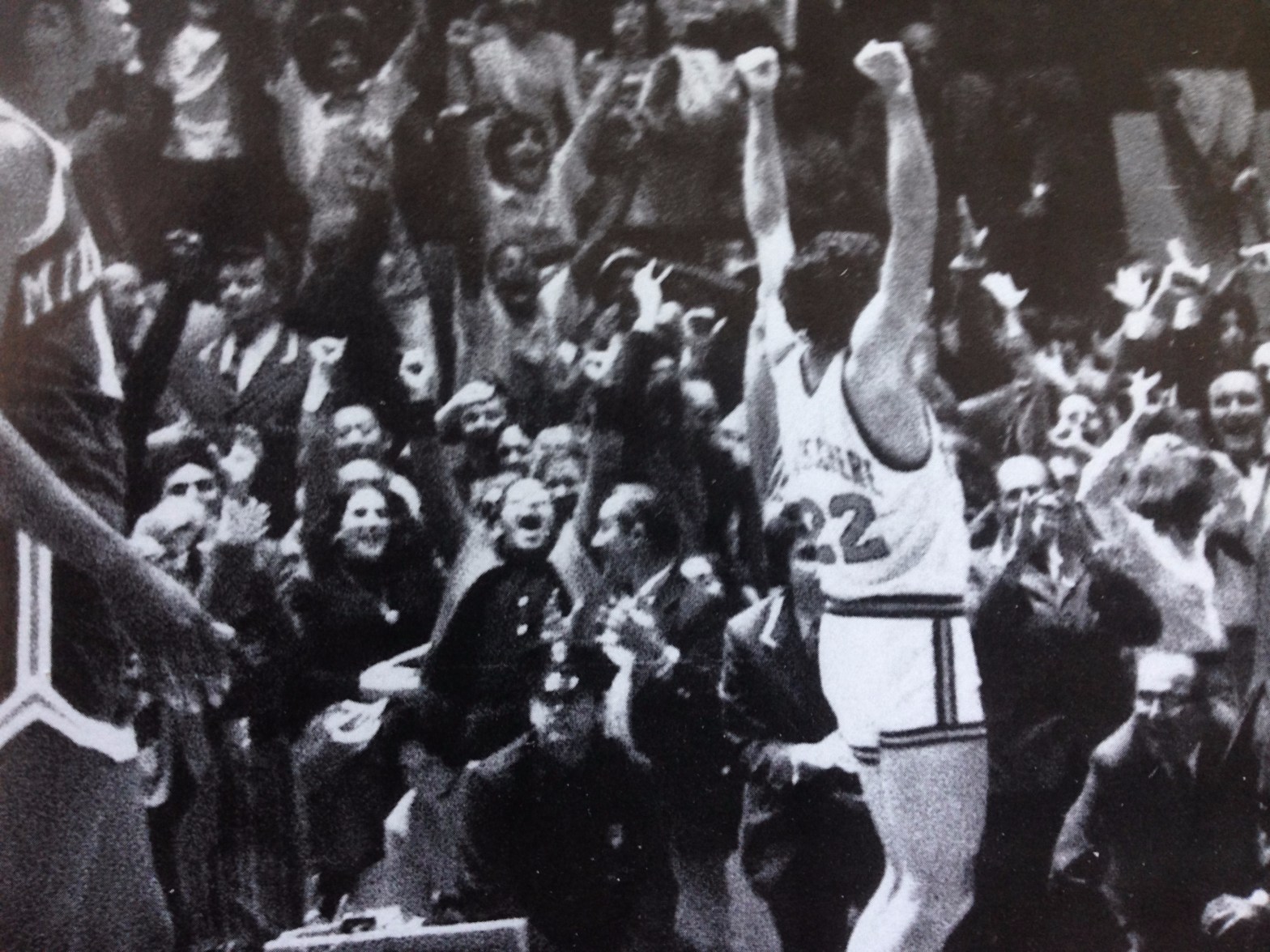
To many, who had become accustomed to the Knicks being have-nots unable to make the playoffs for seven straight seasons (1960-1966), their “instant success” seemed almost unreal.
Mike Riordan: Last of the Blue-Collar Pros, 1978

It was that zest that separated Riordan from most players and made him the darling of Capital Centre fans.
Red Holzman: A Humpty-Dumpty Situation, 1968
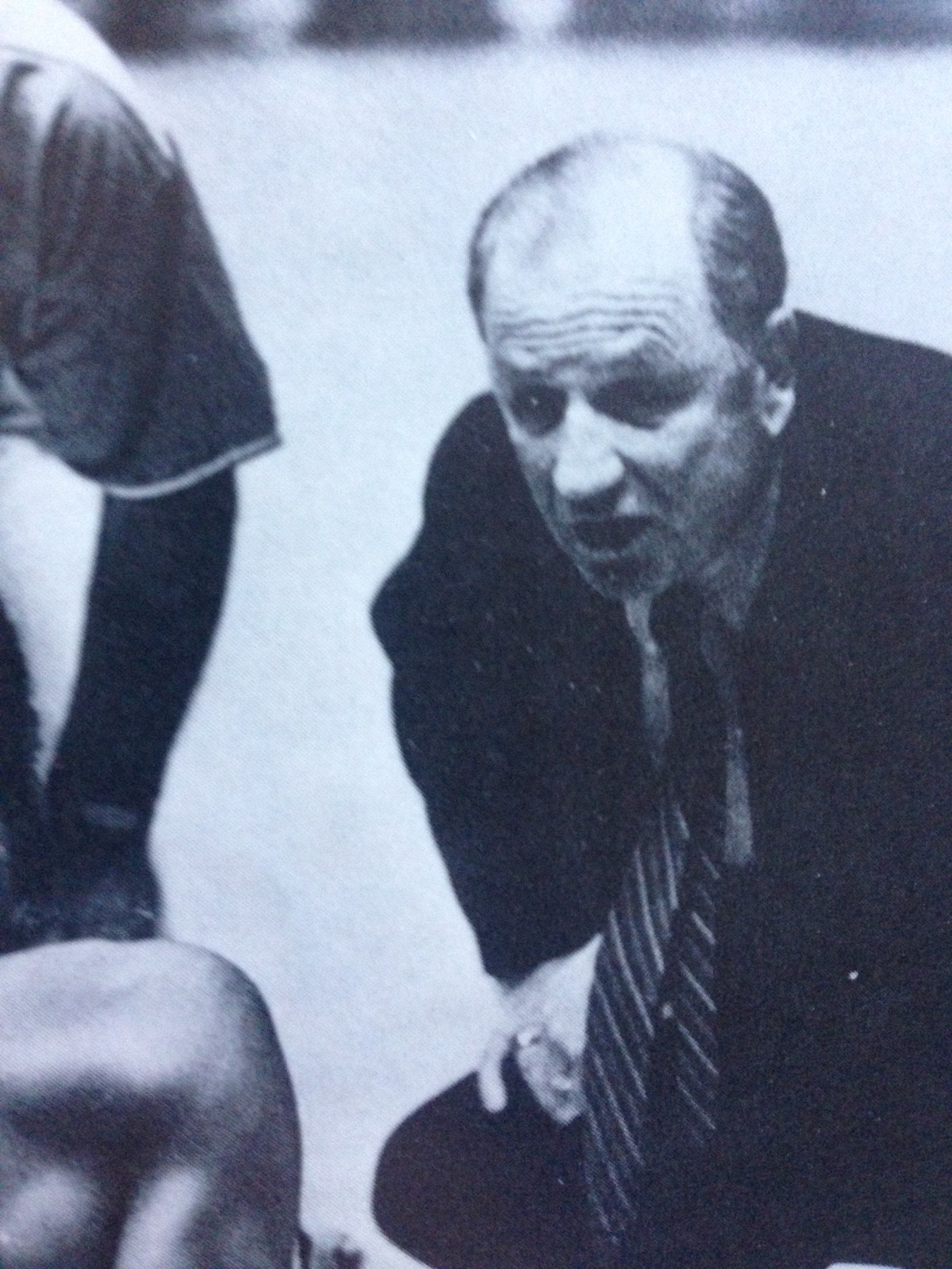
Holzman knows the game of basketball. And he probably knows it better now than back in 1957, when St. Louis fired him after a losing record.
What Jerry Lucas Will Do for the Knicks, 1972
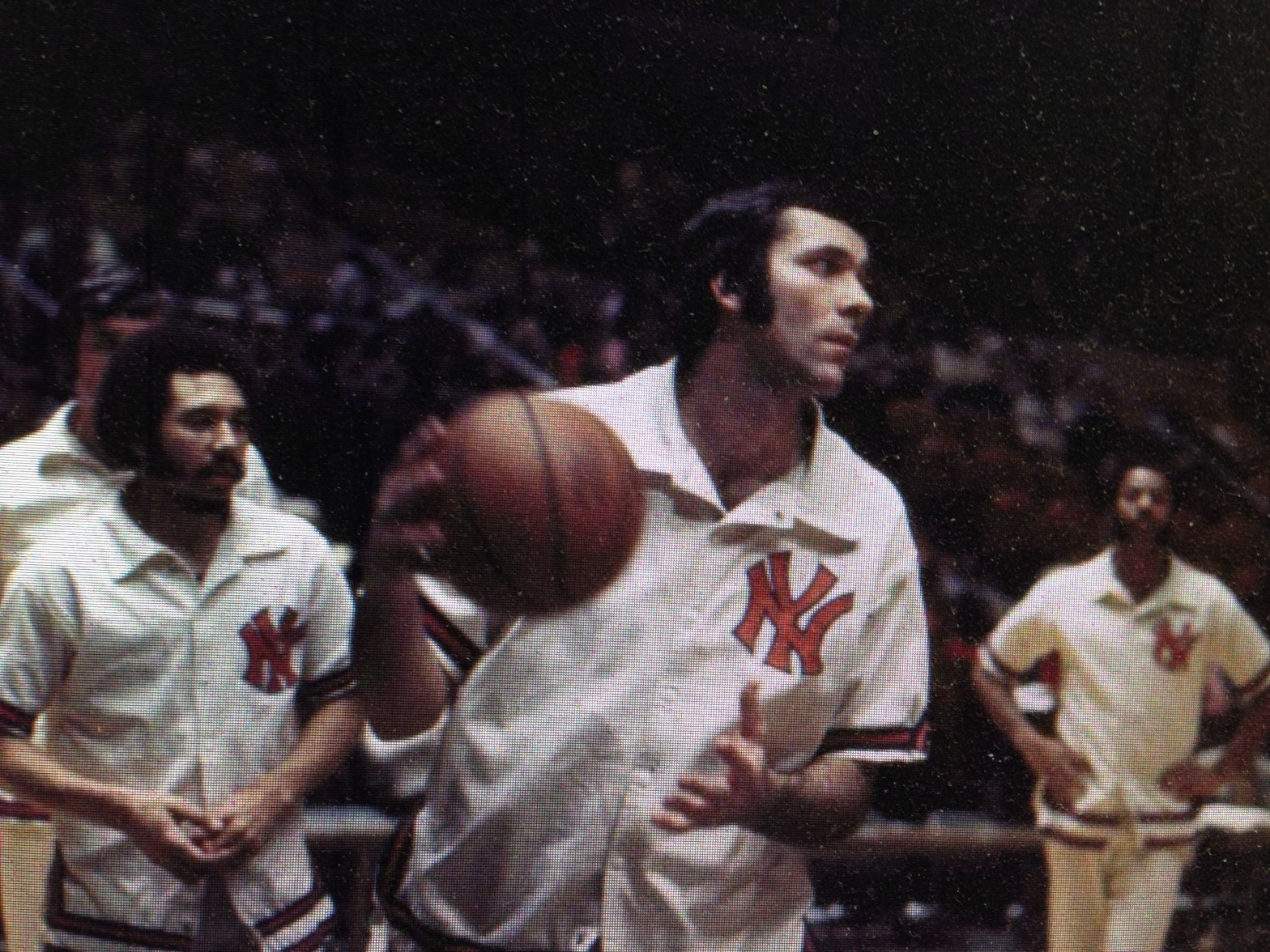
An All-NBA forward five times, he can also do a more-than-adequate job at center. And at either position, he can shoot from the outside about as well as any man his size ever has, and he can rebound with the best.
The Walt Frazier Style, 1971
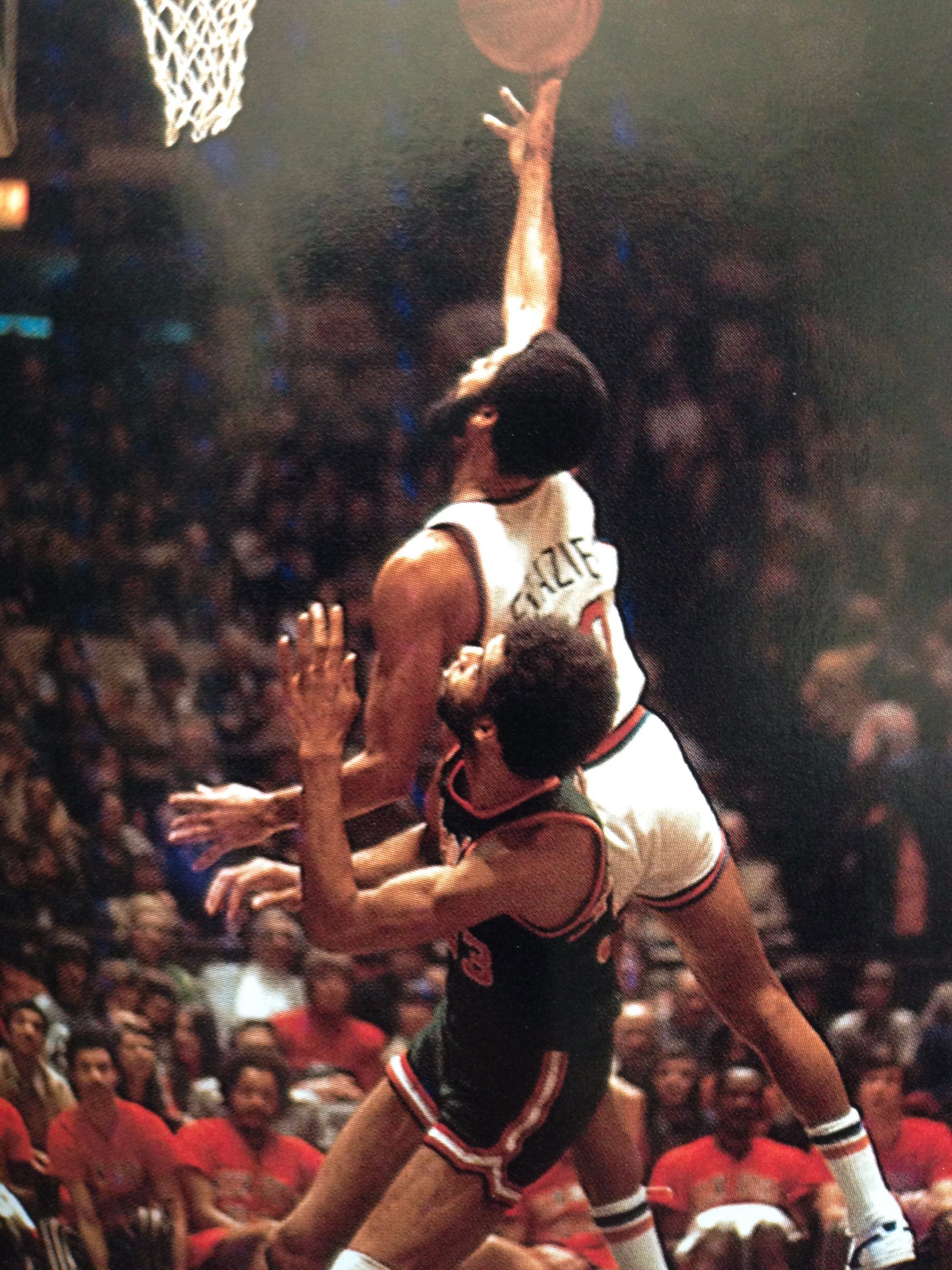
Madison Square Garden is probably the only basketball arena in the country where, when the home team falls behind in the fourth quarter, a chant begins in the lower tiers and swells until it sweeps the arena: “Dee-fense! (clap, clap), Dee-fense! (clap, clap) Dee-fense! (clap, clap).”
Willis Reed and the Icing on the Cake, 1970
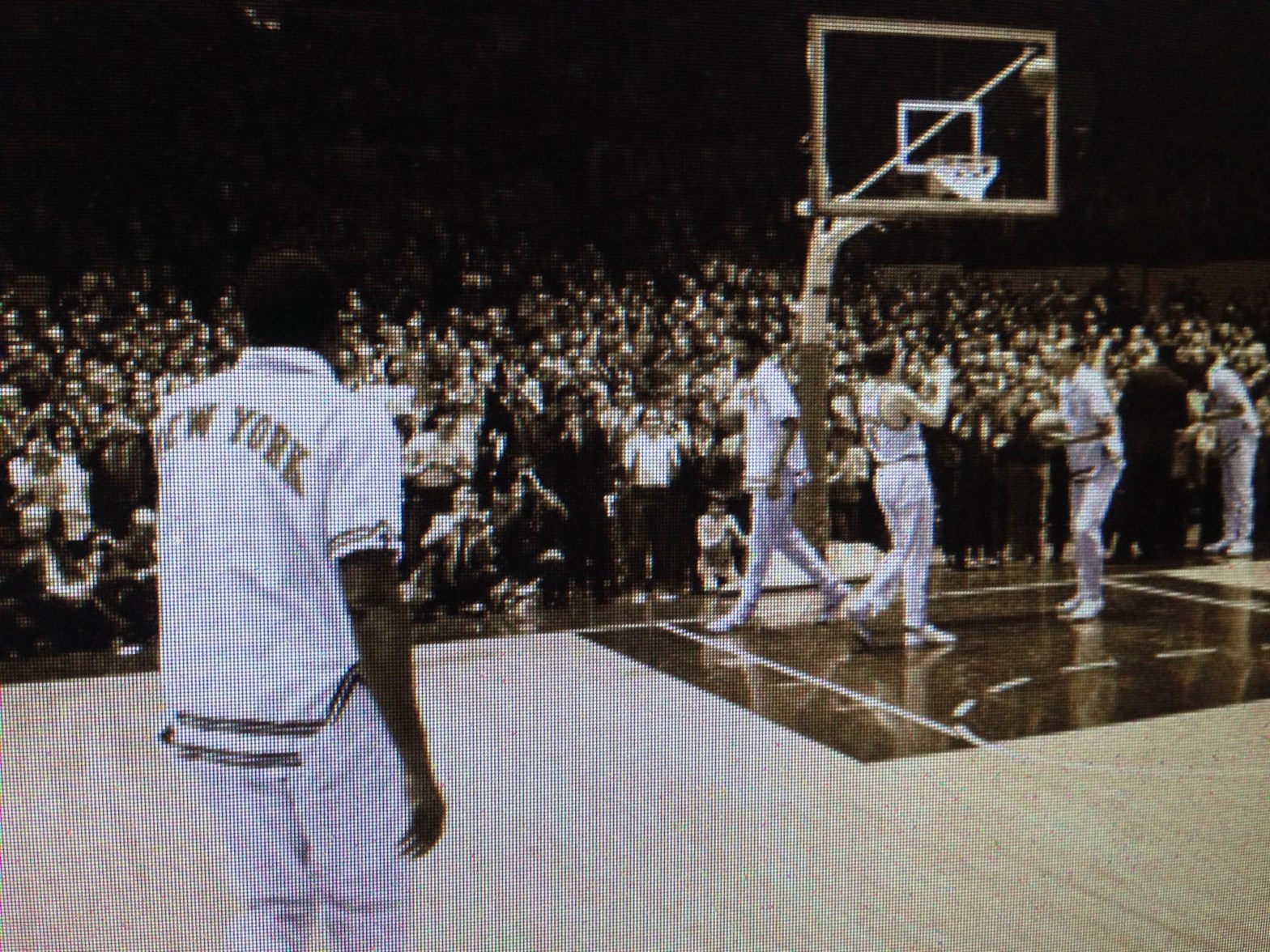
So through it all, one shining fact evolves. Basketball and Willis Reed are so entwined, the two are one.
 From Way Downtown