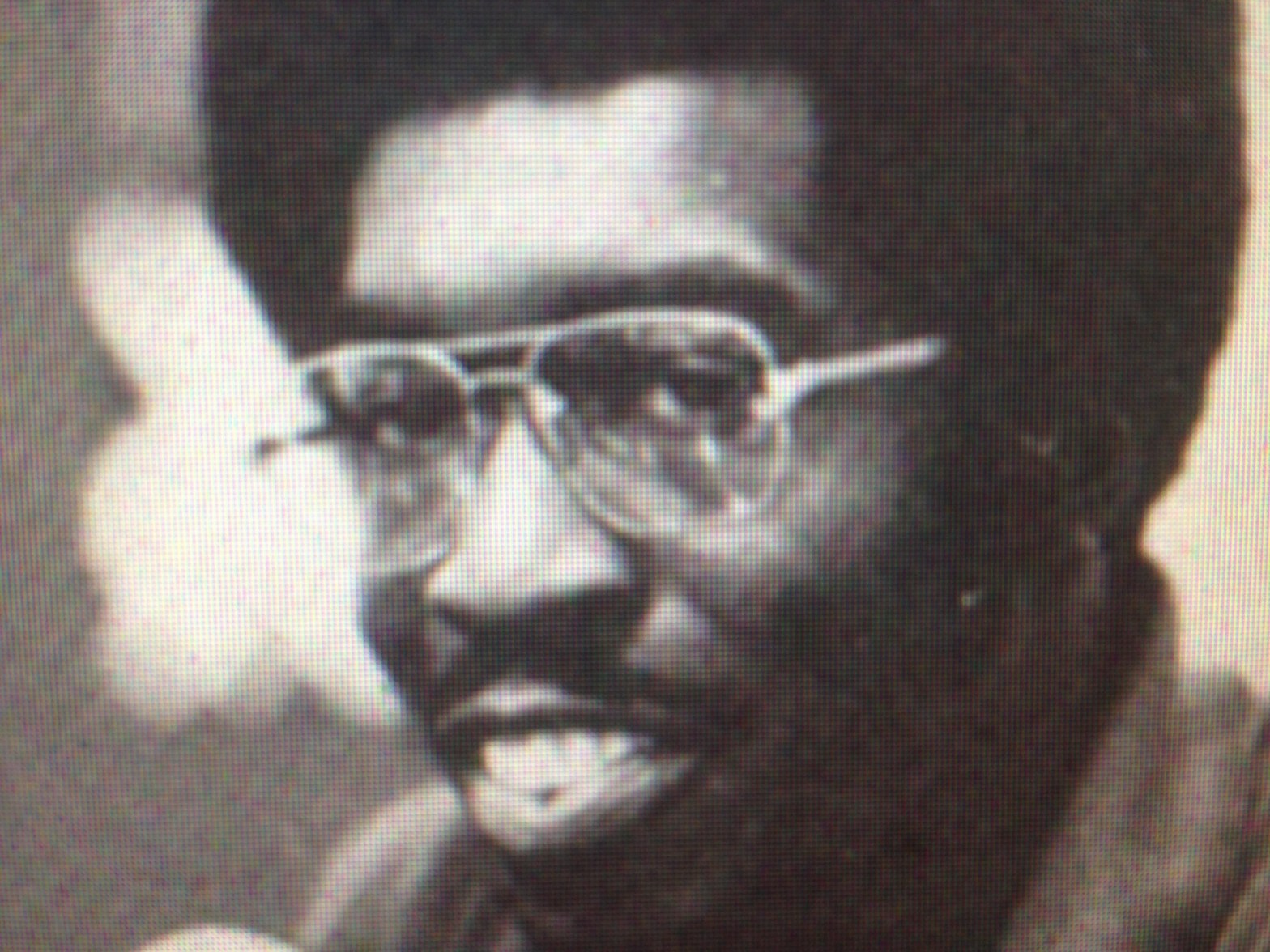
As far as me changing the style of play of basketball, I think my style is basically just the style of about every Black player in America today. As you know, most Black players are, more or less, playground players, and this is just about the basic style that I play.
Tag Archives: Earl Monroe
Charlie Criss: Guts and Elbows Basketball, 1977

Criss became known as “The Mosquito,” and it was not a phony alliterative or geographical title invented by a P.R. man. It was a high sign to Criss that even though there were guys on the playground nobody ever heard of, many of them could hold their own with the best in the NBA.
Stan McKenzie Makes Case for NBA Defense, 1970
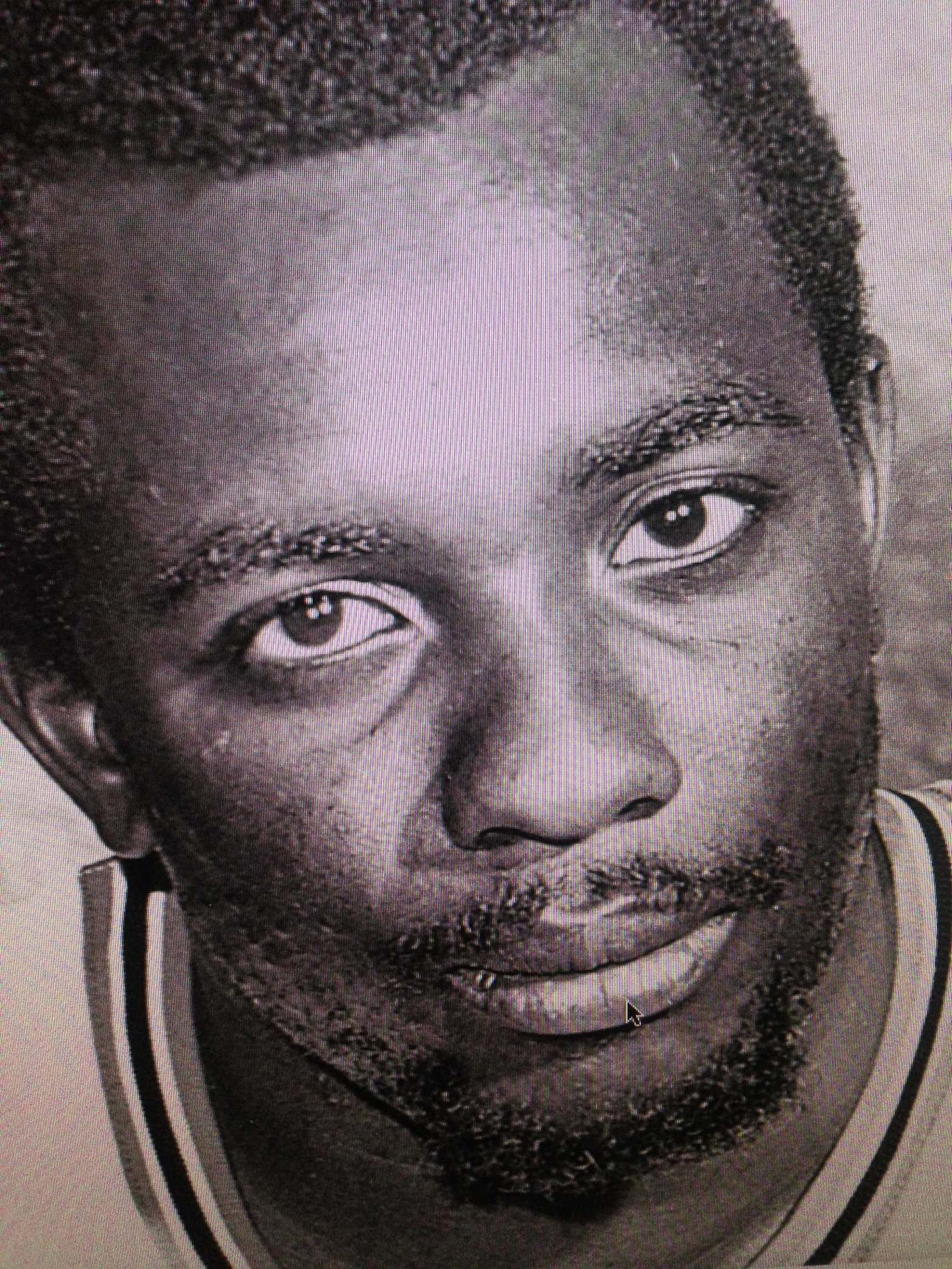
McKenzie: “It makes me mad to hear some fans complain that we don’t play defense in pro basketball. That’s a lot of bull. If we didn’t play defense, teams would be scoring 200 points a game.”
‘Earl, Earl, Earl The Pearl,’ 1975
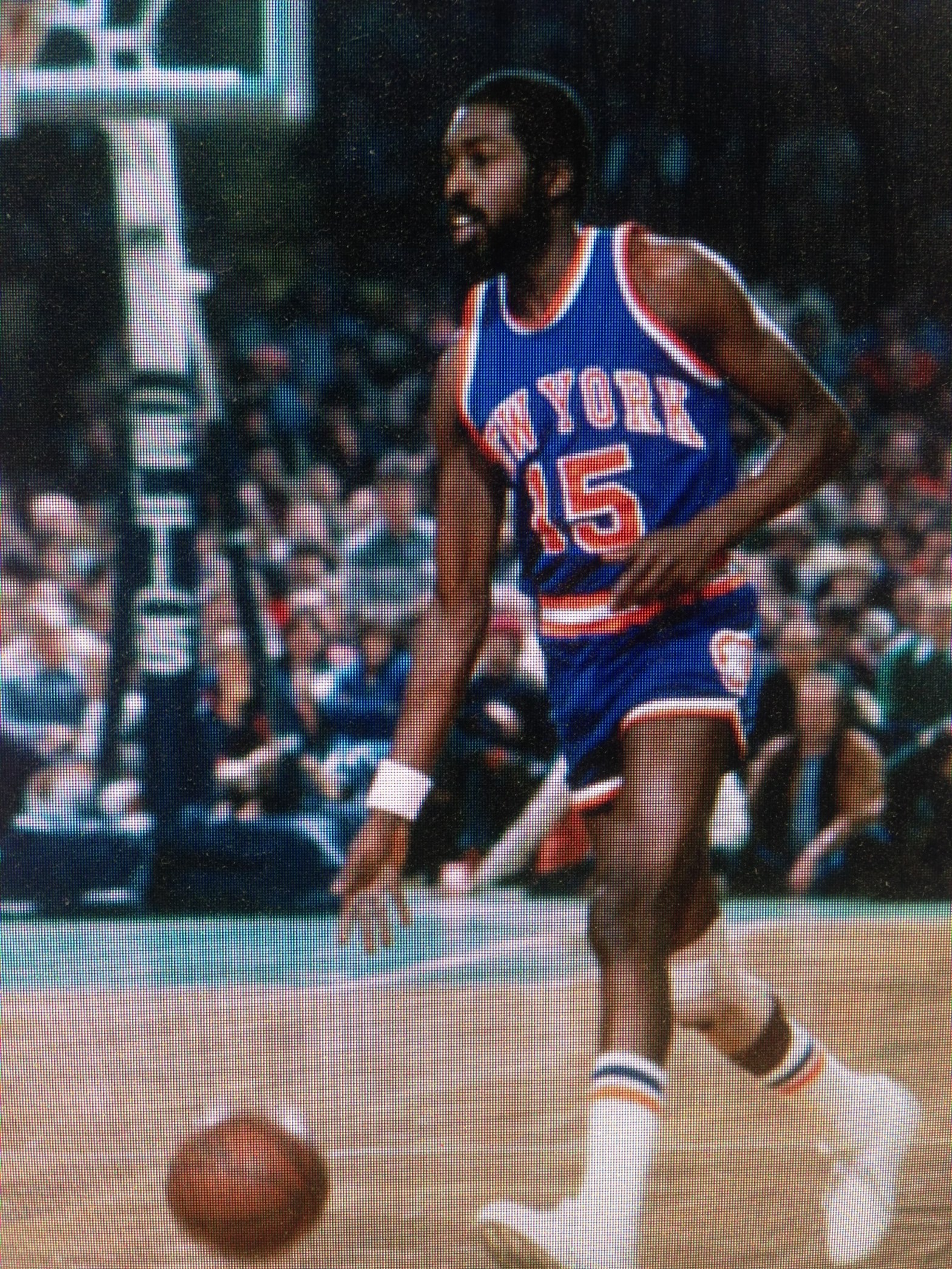
It’s difficult to describe the bedlam he generates in the arena. Little kids scream. Mothers and fathers forget their dignity and roar their delight over a sweating individual in short pants. The Pearl becomes their bauble.
The Walt Frazier Style, 1971
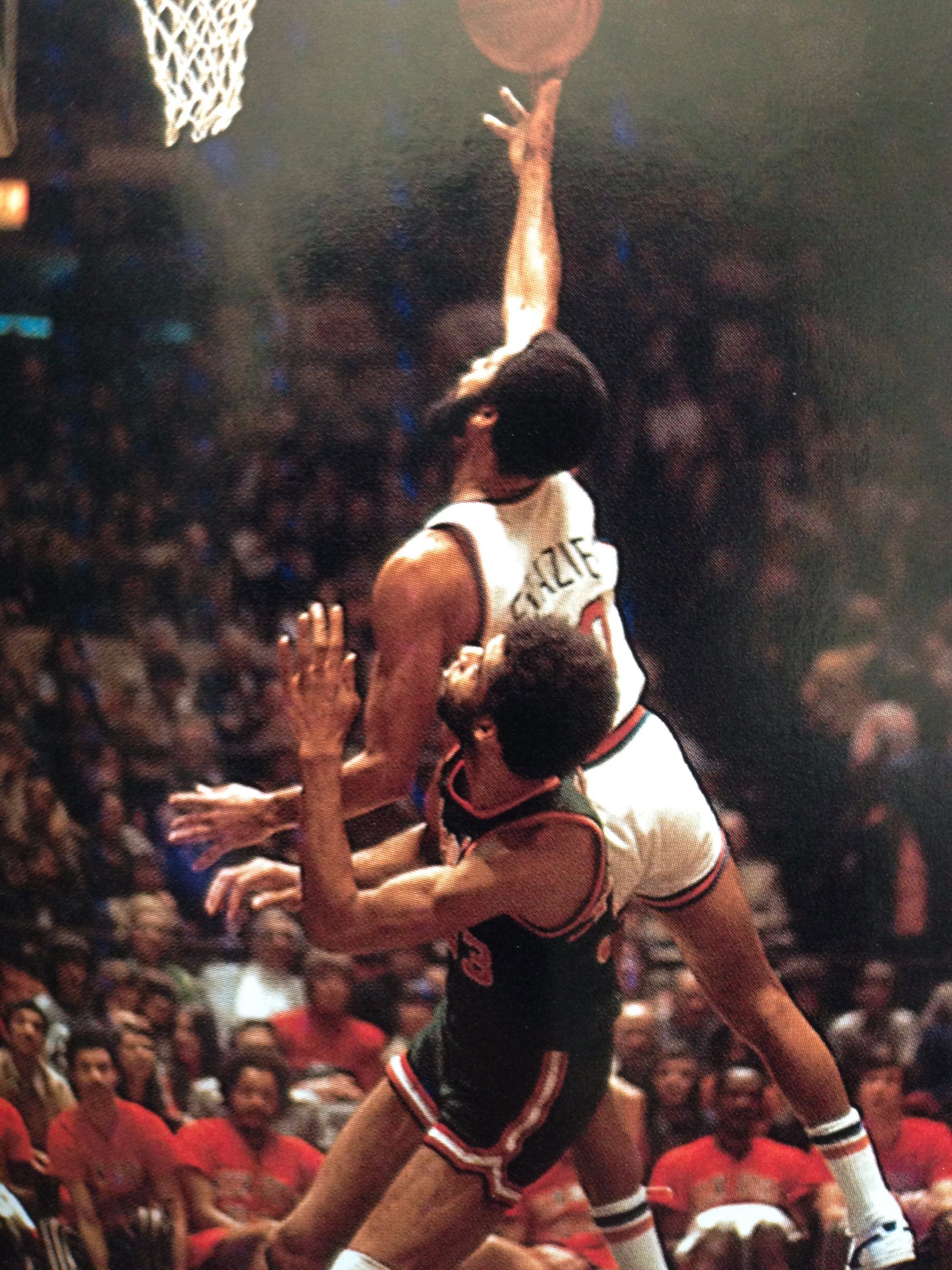
Madison Square Garden is probably the only basketball arena in the country where, when the home team falls behind in the fourth quarter, a chant begins in the lower tiers and swells until it sweeps the arena: “Dee-fense! (clap, clap), Dee-fense! (clap, clap) Dee-fense! (clap, clap).”
Pearl Time
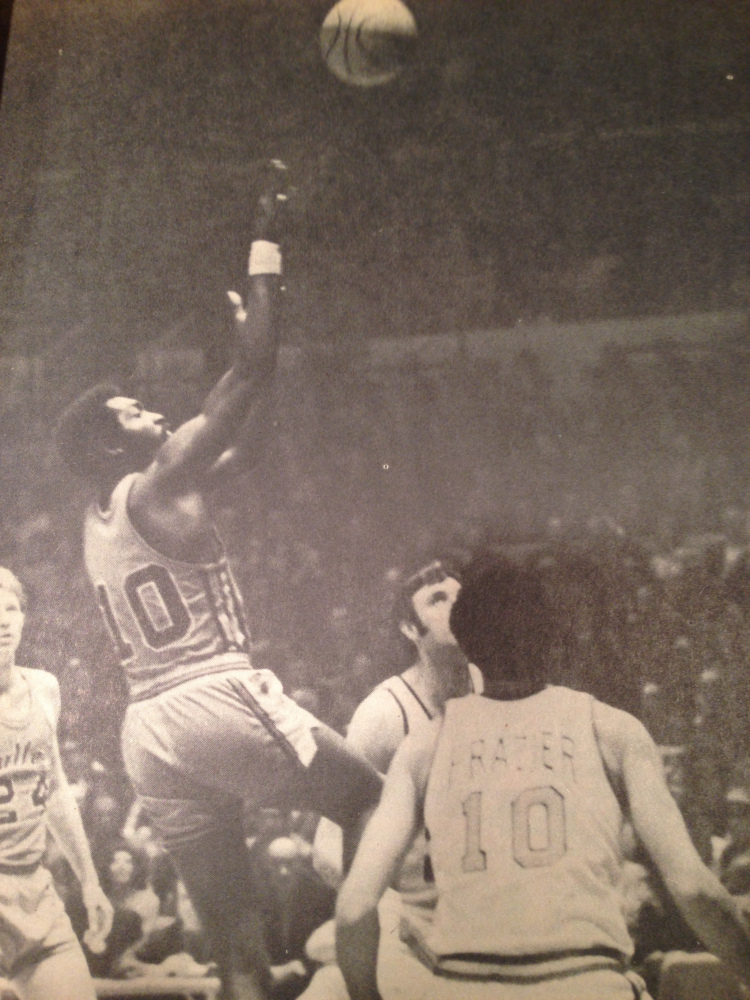
Time for a quick Earl Monroe story. This one comes from the magazine Pro Basketball Special (1971-72) and an article titled “Ordeal of the Playoffs,” by the late-great Phil Pepe. The article begins with a quote from Bill Russell that goes like this, “When the playoffs come and the pressure is the greatest, you’ve got to look at yourself in the mirror and ask yourself what kind of a man you are, what are you really made of?” Pepe takes Russel’s quote and writes, “Things happen in the playoffs, strange and eerie things. It is a time when the unusual is the norm, the extraordinary is commonplace. And only the stoutest of heart come through under the pressure of the playoffs.” Pepe goes on to retell this unusual “loss of cool” during the 1970 NBA Eastern Division semifinals pitting the soon-to-be champion New York Knicks against Monroe’s Baltimore Bullets.
Damn Elevator
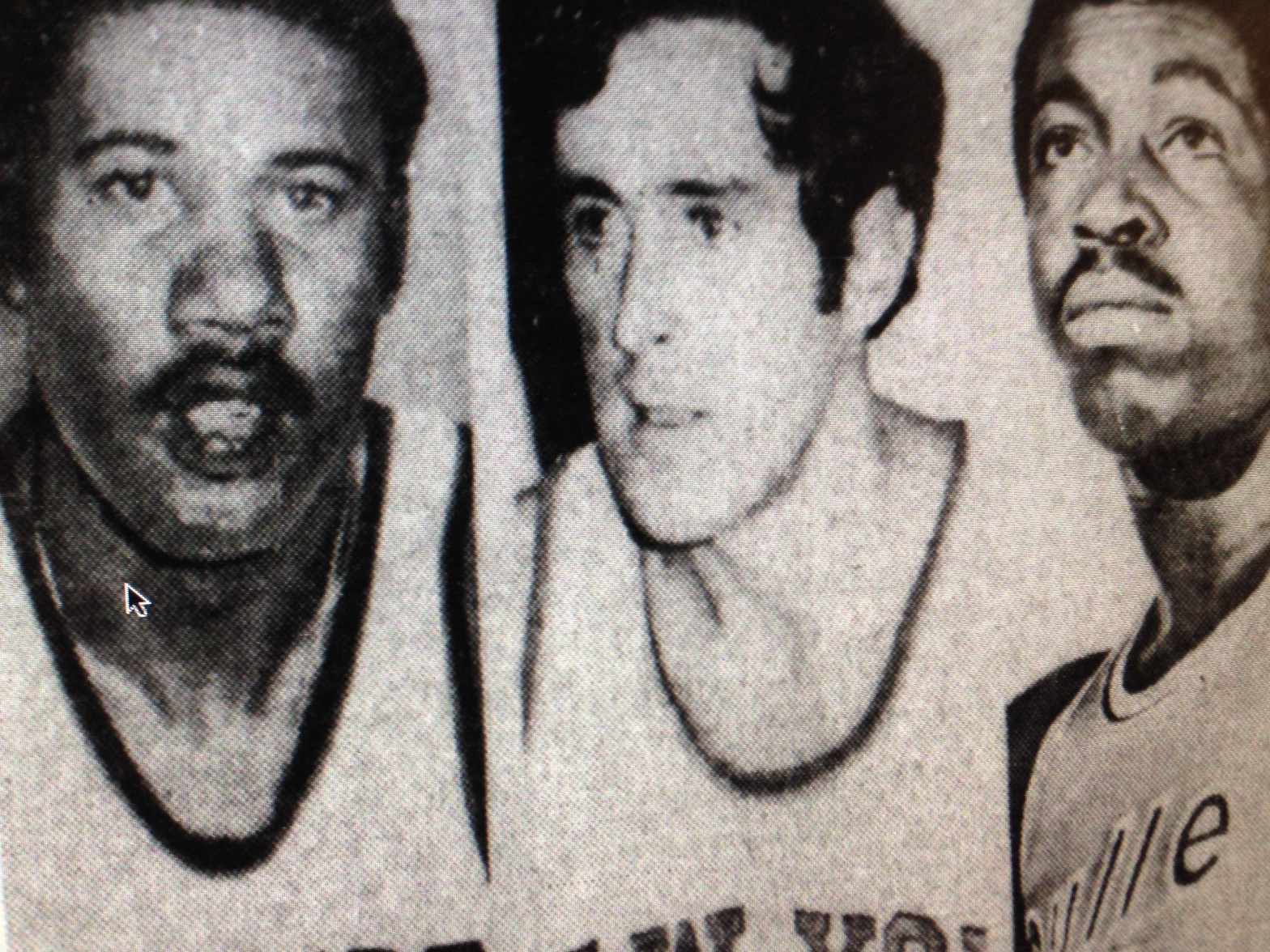
The hydraulic whirr stuttered, and then Jim Henneman, the Bullets’ publicity man, felt the elevator groan to a jarring. abrupt halt. Henneman jabbed the button for the lobby. Nothing. He punched again and took a deep, God-help-me breath. If only he had taken the stairs. The freight elevator was notorious for breaking down between floors of the Baltimore Civic Center.
‘Don’t Screw Up the Team’
Since first demanding that the Bullets trade Earl Monroe, Larry Fleisher had now whittled down the list of acceptable franchises to one. the New York Knicks. For Fleisher, it was simply the best fit. The Knicks were a veteran team that remained in the NBA championship hunt. New York fans would be sophisticated enough to appreciate Monroe’s magic act whenever he flashed his Earl the Pearl mystique.
Going AWOL
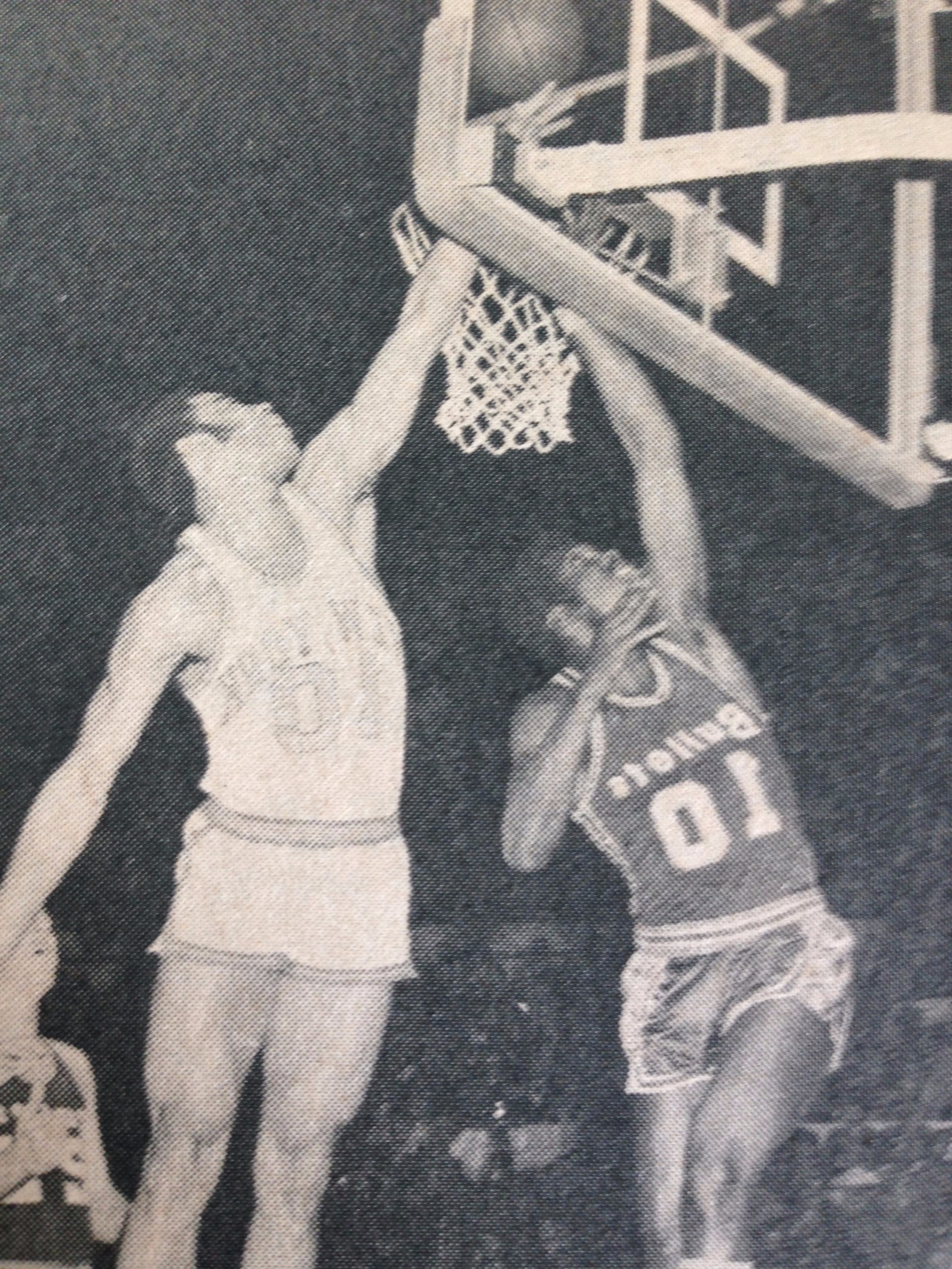
Archie Clark stood dribbling the basketball at the top of the key. Staring back at him in a stiff, crouched defensive stance was Gene Shue. Archie unleashed a quick series of head and shoulder fakes. Shue scuttled crab-like backwards. Archie gave a hard feint right and crossed over his dribble to the left. Shue scuttled forward, but it was too late.
Phil, the Pearl, and Archie
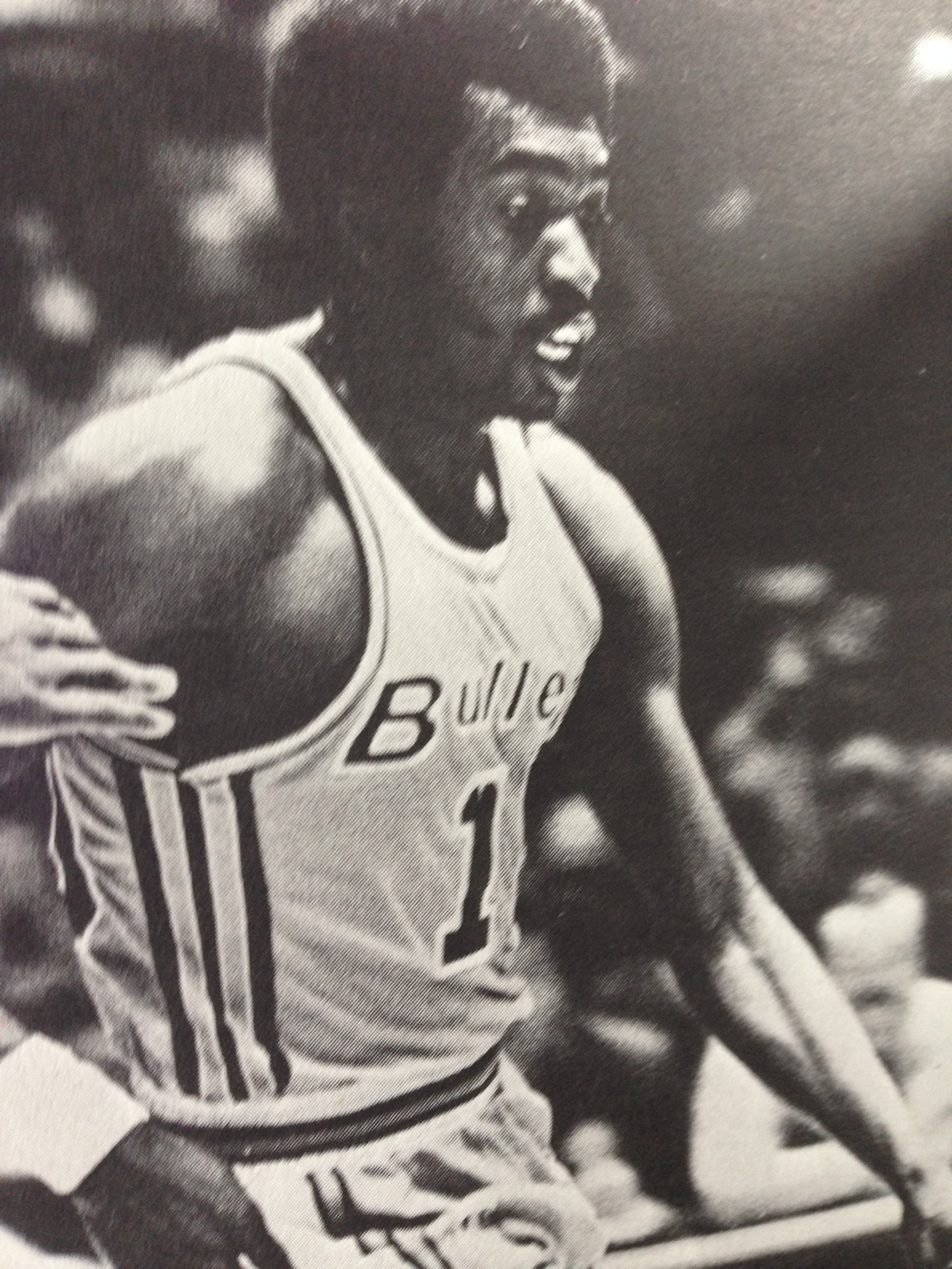
[In October 1971, Earl Monroe entered his fifth NBA season with the Baltimore Bullets. He wanted out of Baltimore in the worst way. Over the next few days, I’ll post cut material from my recently published book, Shake and Bake, that chronicles one of the testiest trades in NBA history. Here’s part 1.] Baltimore, OctoberContinue reading “Phil, the Pearl, and Archie”
 From Way Downtown