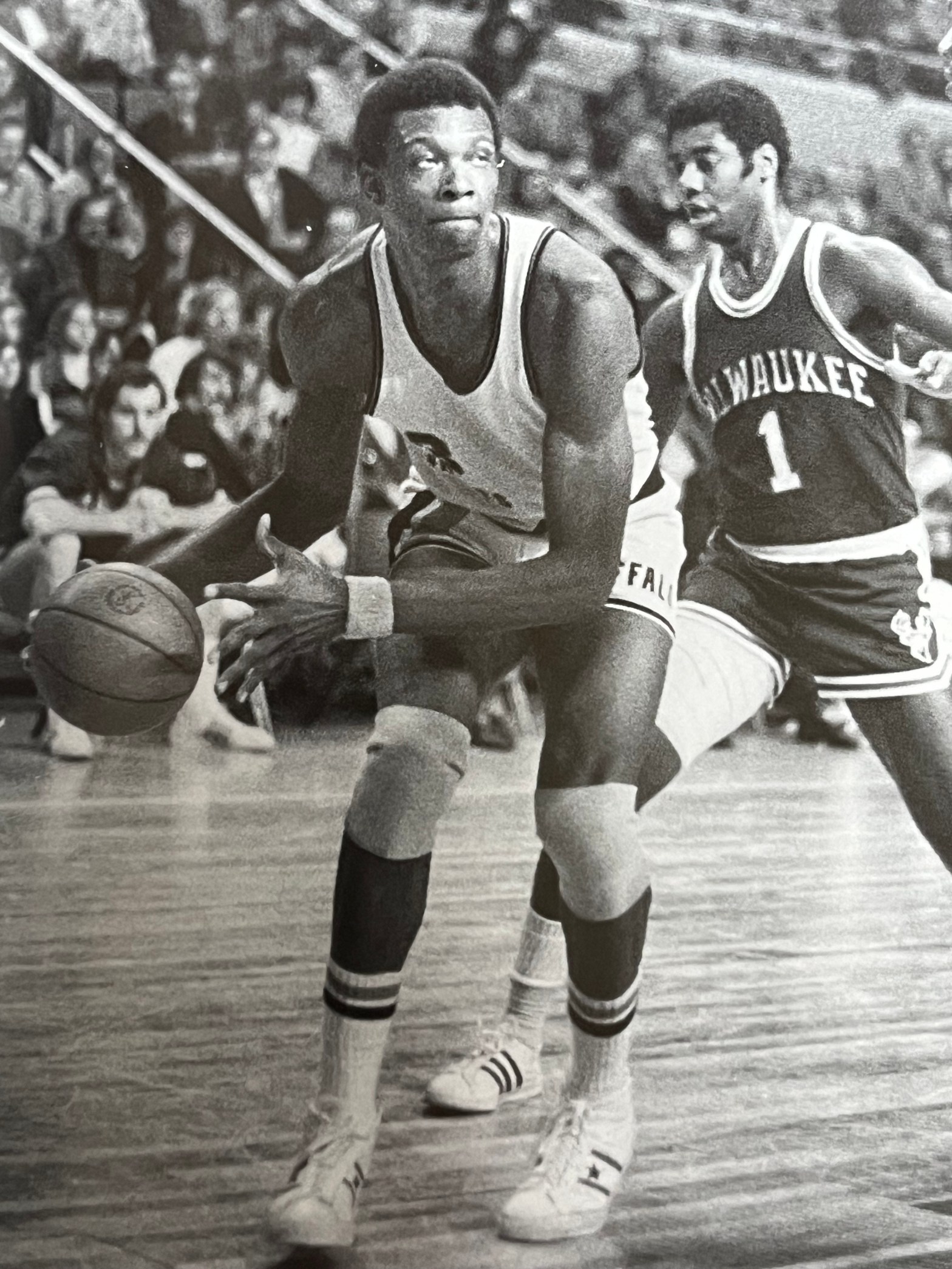
Everything seemed to be fine at first for Elmore Smith in Buffalo. Then it was Los Angeles. Then it was Milwaukee. Now it is Cleveland. Elmore Smith has been an enigma no matter what the team.
Tag Archives: Nate Thurmond
It’s a New Year for Elvin Hayes, 1971
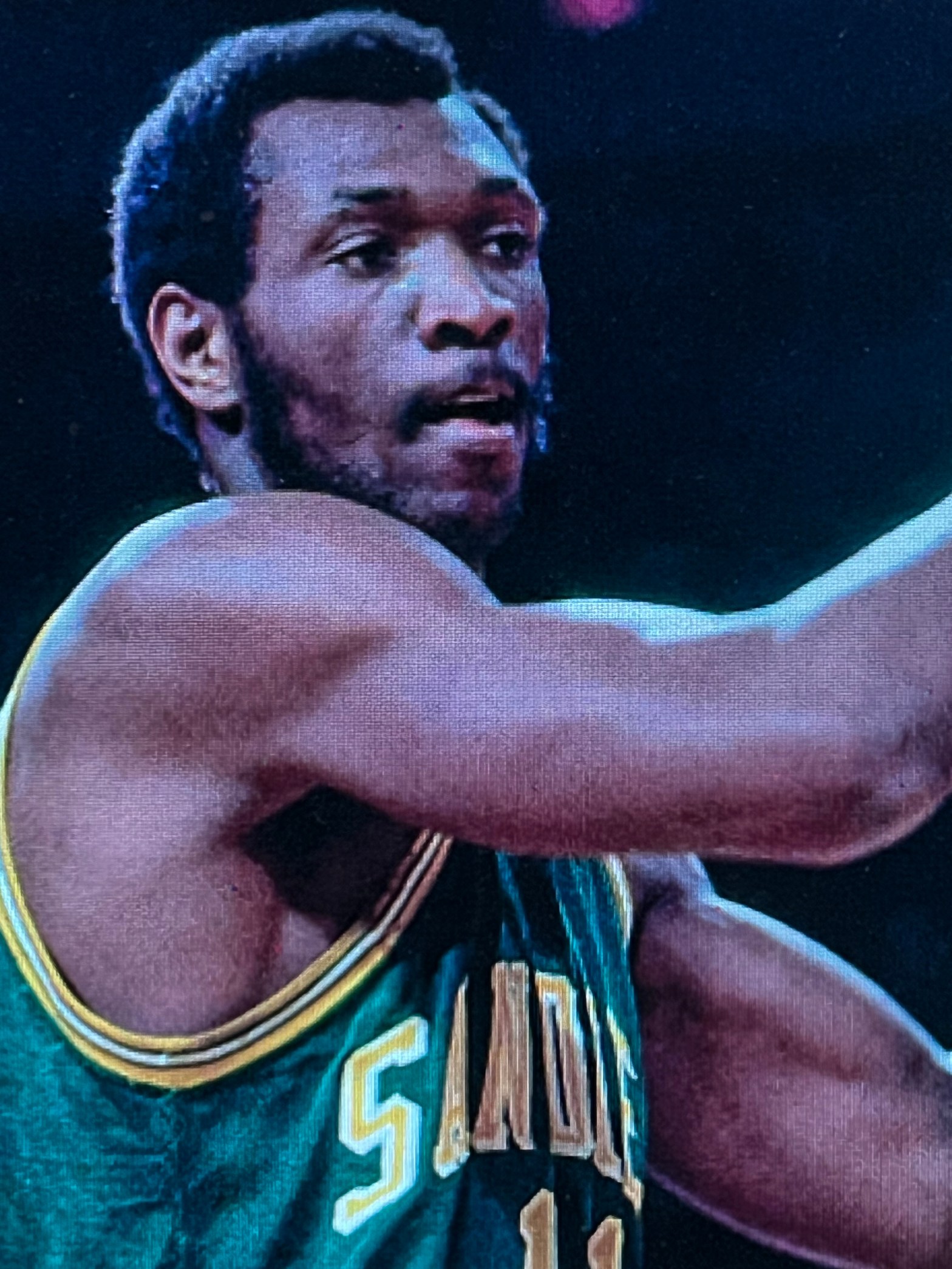
It’s a new year for a new Elvin, really. It’s all a selfless campaign, hard to imagine for the once-brooding rookie who caused so many problems for himself and his team two years ago.
Nate Thurmond: Welcome to the Machine, 1975
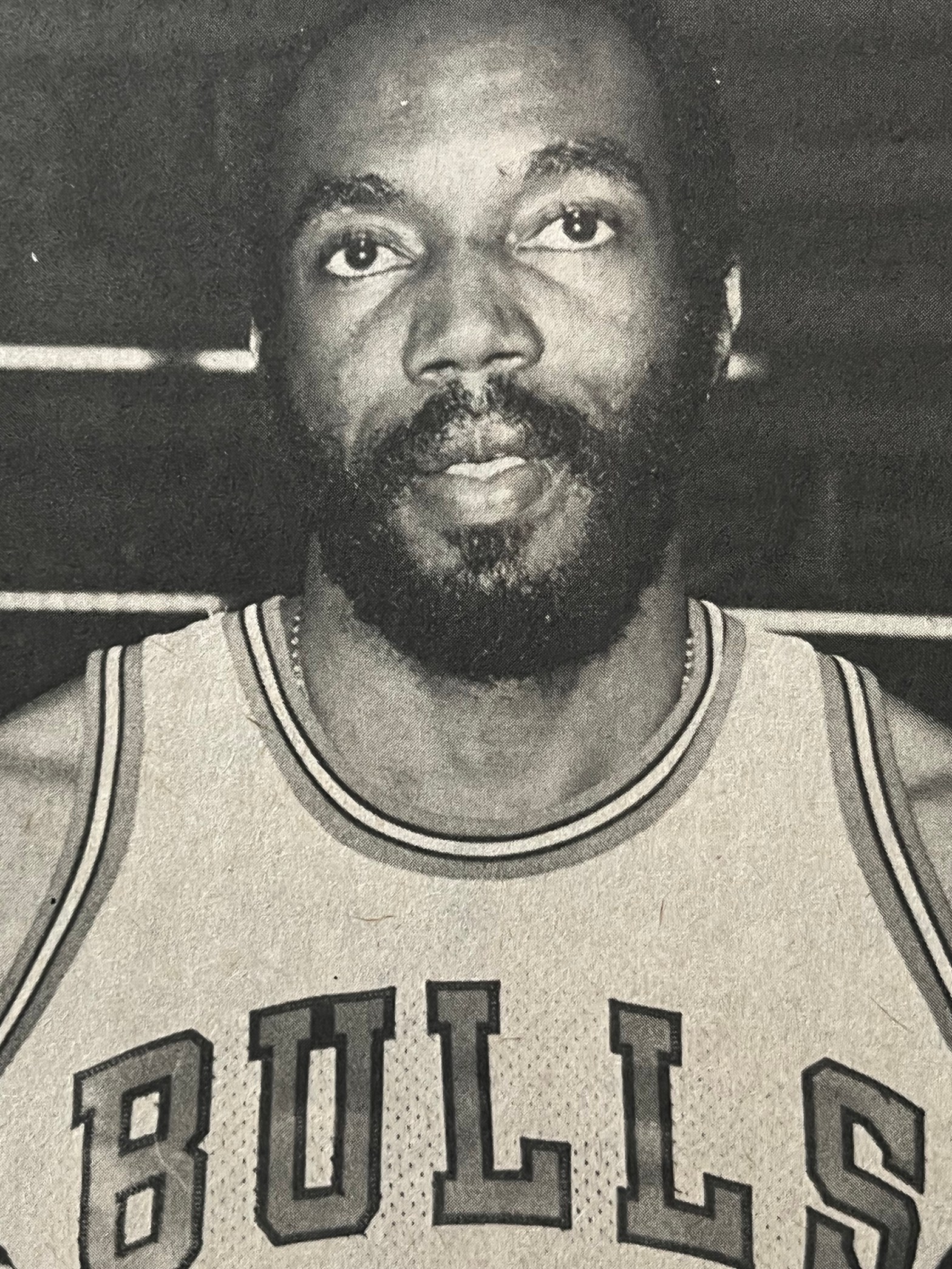
Dick Motta pretends not to count the years he will have Thurmond. He thinks instead of the years he didn’t have Thurmond. “I’ll tell you personally how I feel about it,” said Motta. “I’ve been in this league seven years, and I deserved the right to coach Nate Thurmond.”
Gus Johnson: ‘I Sometimes Amaze Me,’ 1966
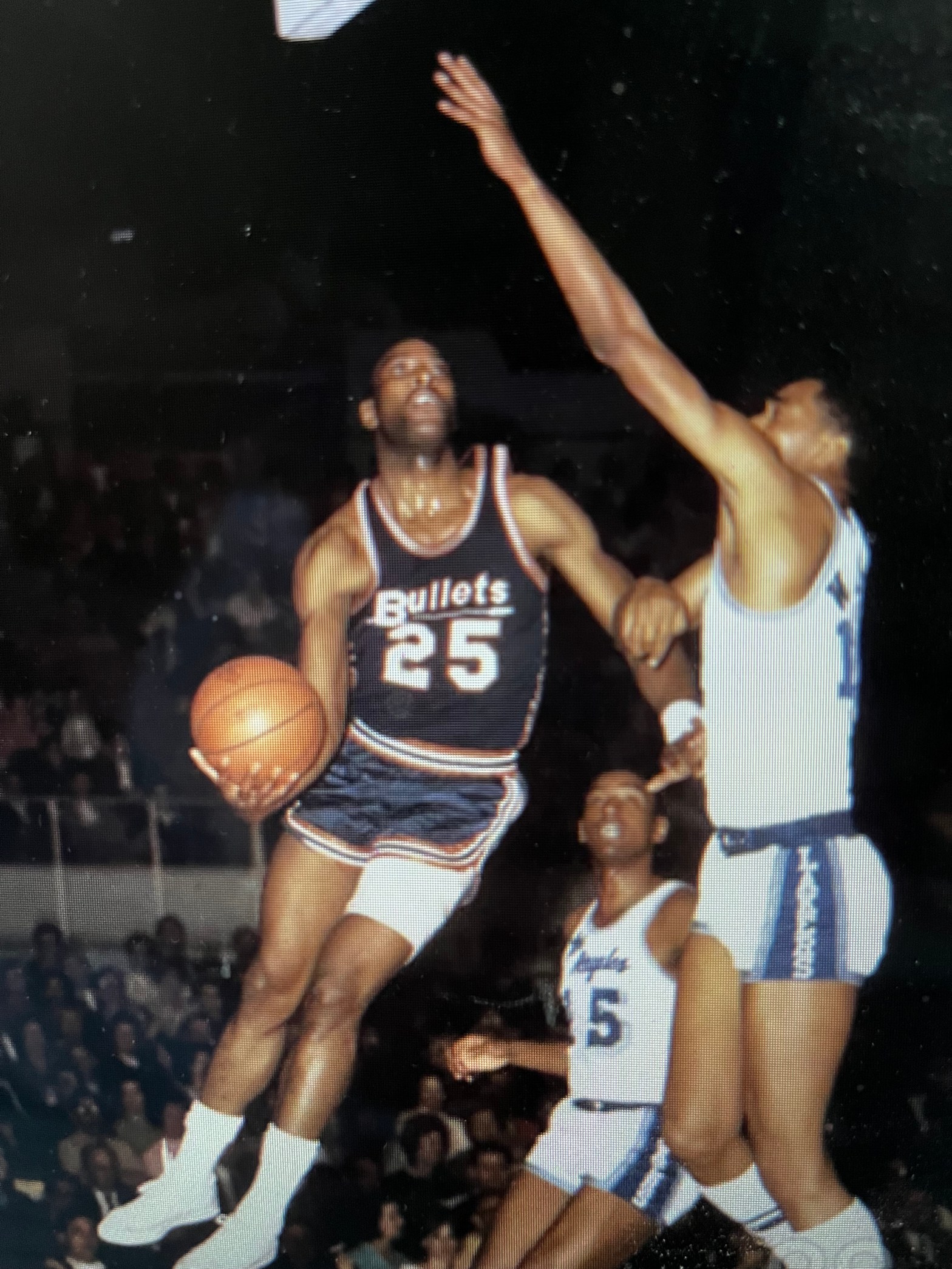
Triggered by the magic words, all pro, his voice grows stronger and his words come faster, and suddenly there seems no chance that in the interest of safety, he will abandon the style that made him Gus the Great. ”You don’t see Bill Russell or Wilt Chamberlain gliding through the air and shoving it in there like I do,” Gus says firmly.
Bill Sharman Sends Warriors on Warpath, 1967
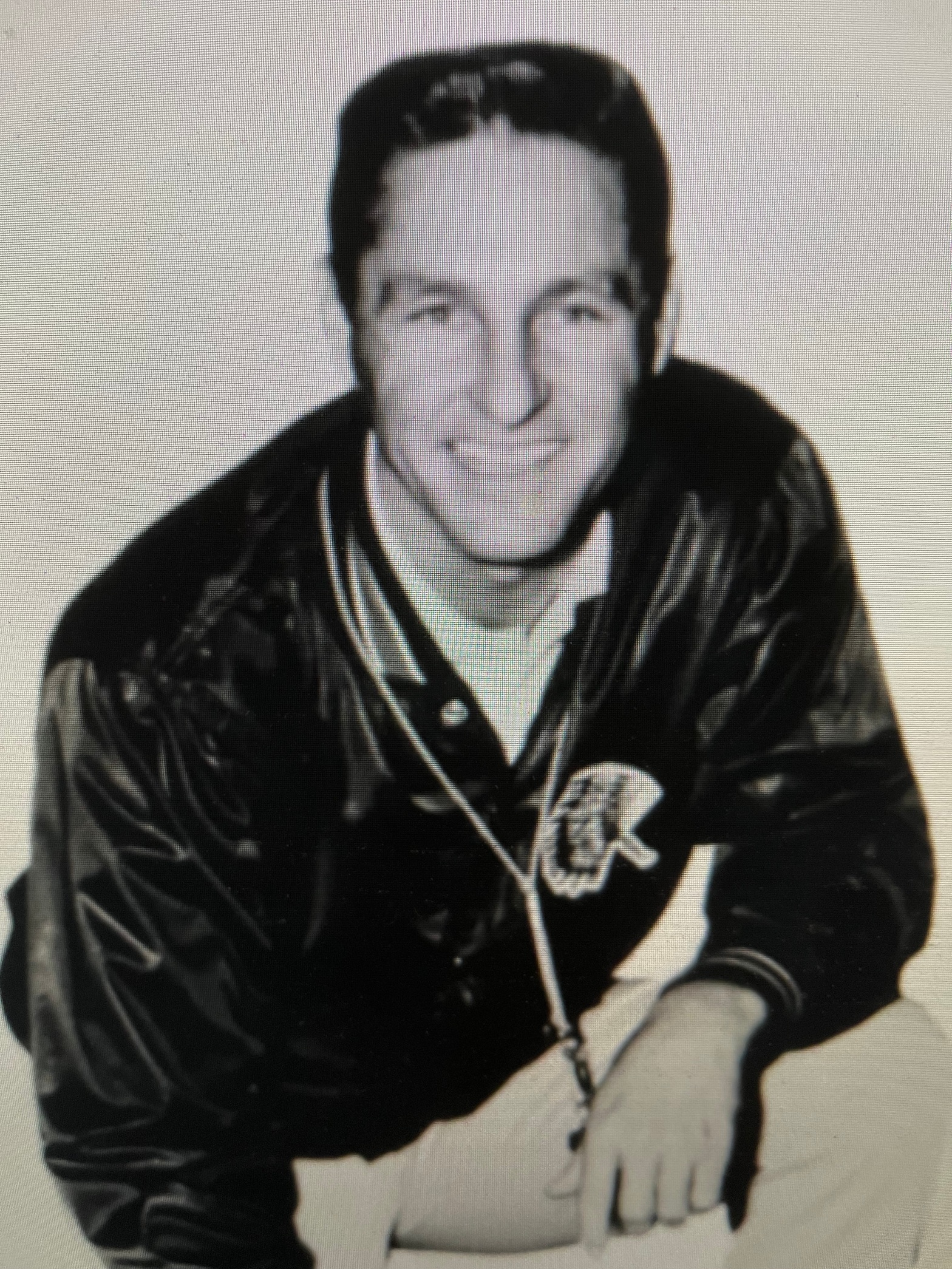
Sharman, a sharp observer as a well as one of the finest shooters in the history of basketball, knew all about Auerbach’s methods and had a number of ideas of his own.
As Right as Clifford Ray, 1975
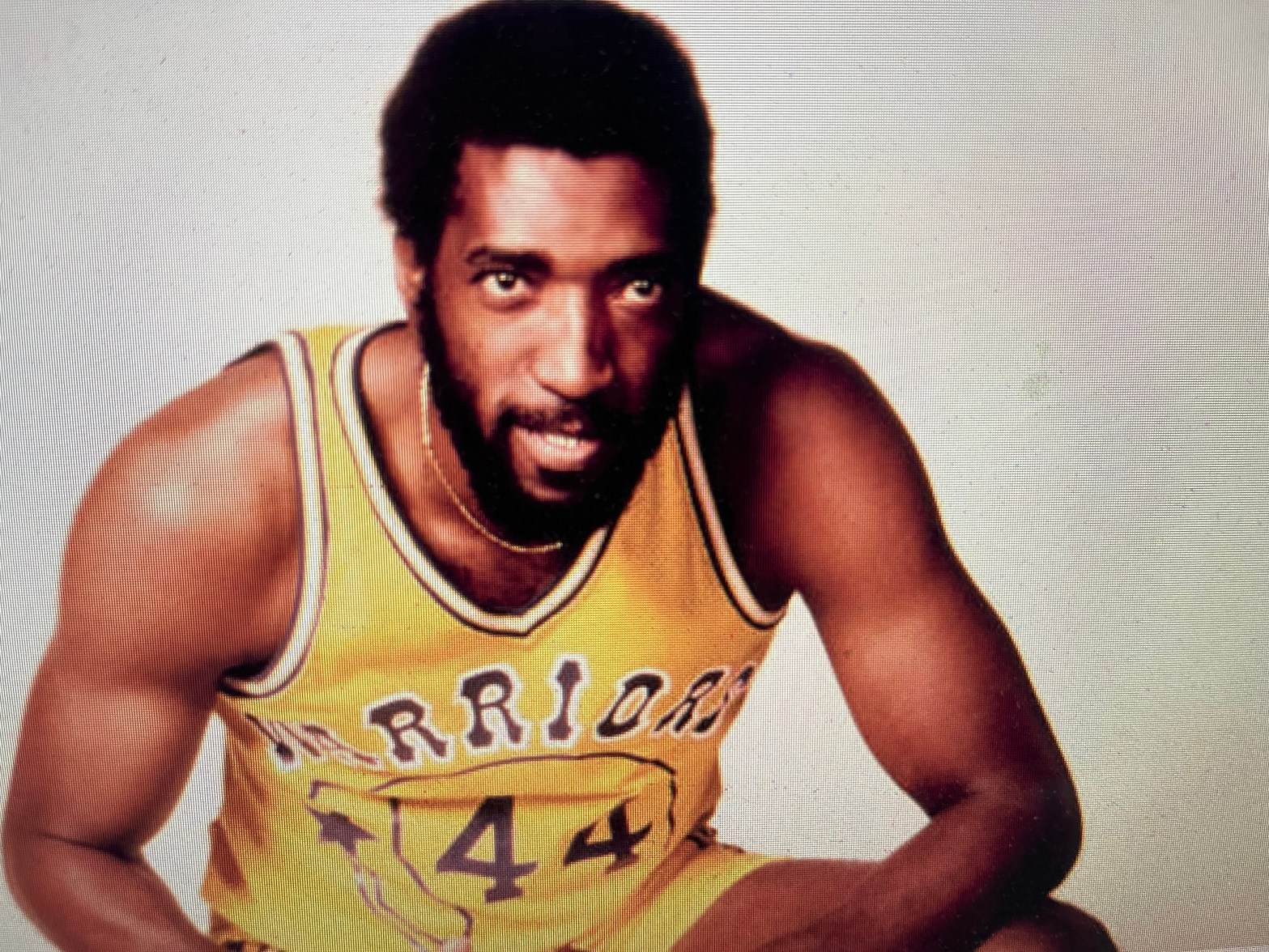
And through it all, Ray seeks one thing—respect—from his coach, from his teammates. And surely, from himself. “If you’re your own worst critic,” he feels, “you’ll always be all right.”
Rick Barry: Telling It Like It Is, 1967
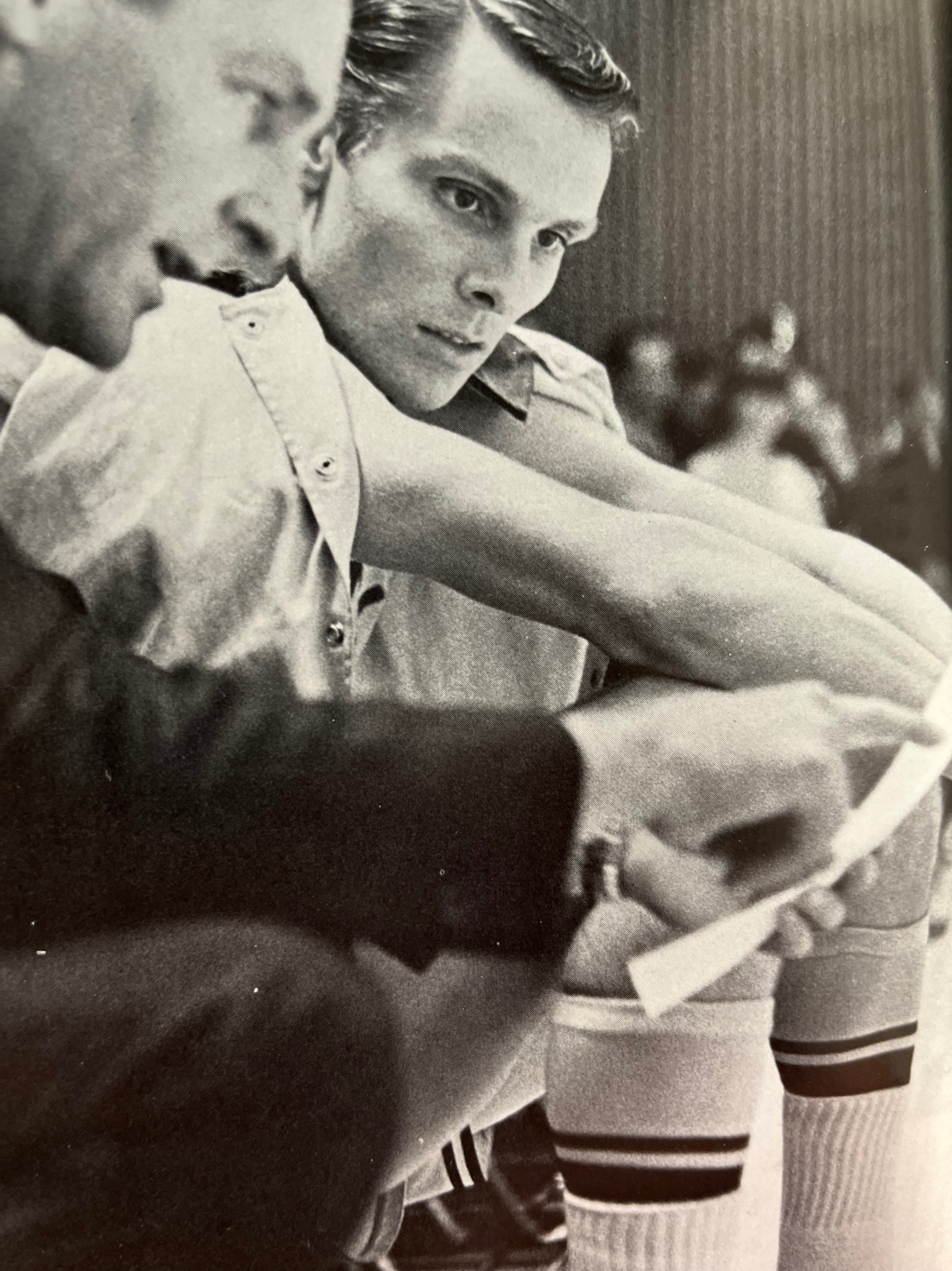
For me, basketball has always been fun. Under Bill Sharman, it was no fun.
Hakeem Olajuwon: The Game I’ll Never Forget, 1990

I had passed up several easy shots in an effort to get those last two assists, and it paid off. I had accomplished something that only Nate Thurmond with Chicago in 1974 and Alvin Robertson with San Antonio in 1986 had done.
Willis Reed: The Art & Agony of a Gentle Giant, 1973

Willis Reed was past 30 now, and in the compressed lifespan of athletics that is to be past middle-age. It is a time when the body begins to betray its promises of youth, a time when the infinite resilience and boundless energy start to become less dependable certainties.
Alvin Attles Works Miracles, 1974
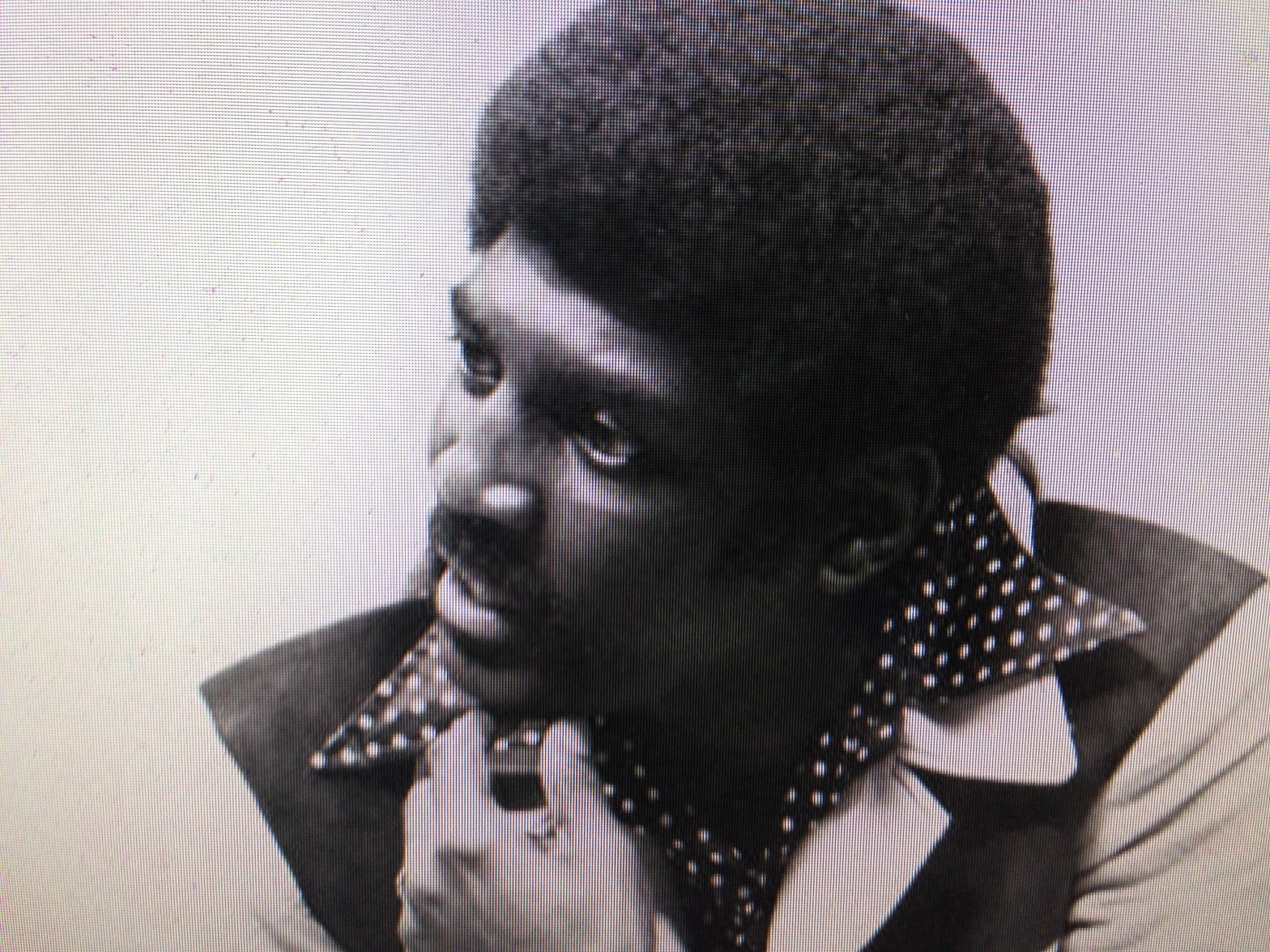
There are times when it seems that the only real adult in the organization is the head coach. Defeats come and defeats go, but Alvin Attles, age 38, stays cool.
 From Way Downtown