The coach looks back on that first season today and says, “By the end of it, we were not the worst team in basketball, even though we had the worst record.”
Tag Archives: 1970s NBA
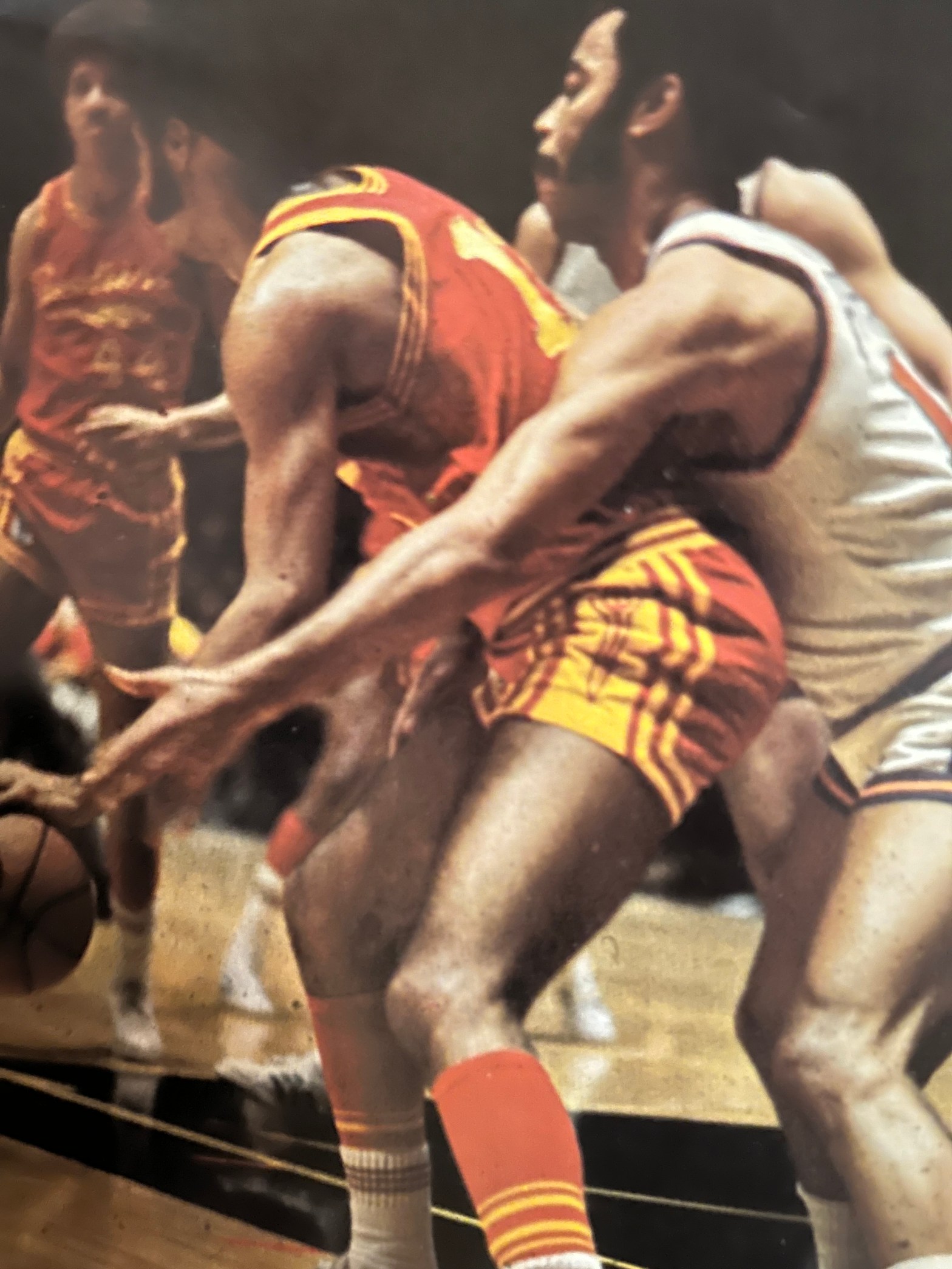
On Being Earl Monroe, 1976
Off the court, Monroe helps others every chance he gets
Julius Erving: The Doctor Sets Up His NBA Practice, 1977
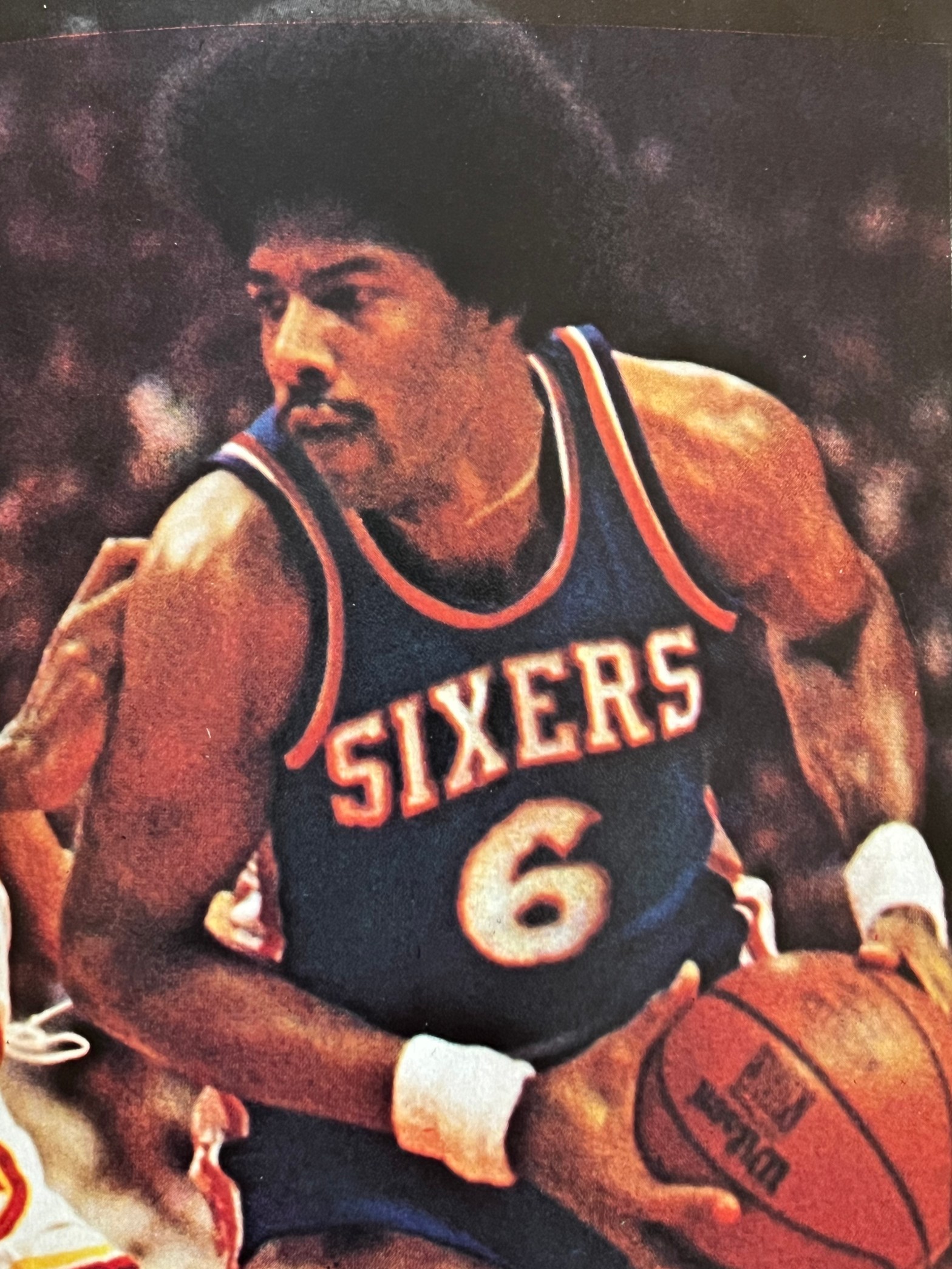
It was only one play, one fast moment of magic in The Doctor’s lifetime of wizardry, but that one play, that super dunk, that shattering demonstration of superiority, seemed to capture the essence of Doctor J.
The Laker Roadshow . . . Starring Wilt Chamberlain, 1972
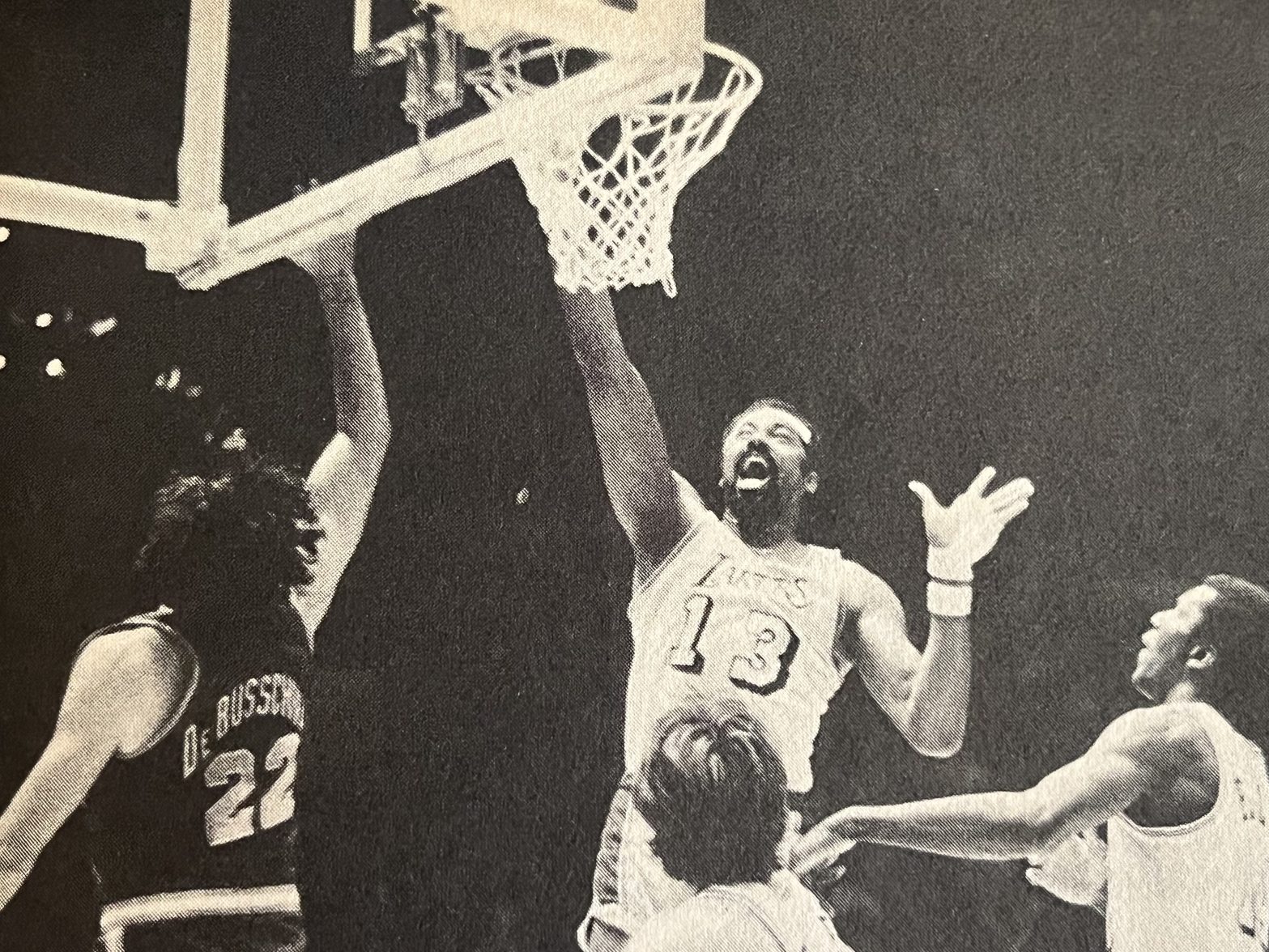
They affectionately call him “Big Fella.” Wilt Chamberlain is a proud man in the twilight of his career at 36, going on 40. But sometimes his moods are almost childlike.
Phil Jackson: ‘Mr. Anonymous’ Wins an Award, 1974

Back at Jimmy’s Restaurant, Jackson posed for photographs wearing a necktie publicly for the first time in almost a year.
Curtis Rowe: It’s a New Game Every Night, 1975
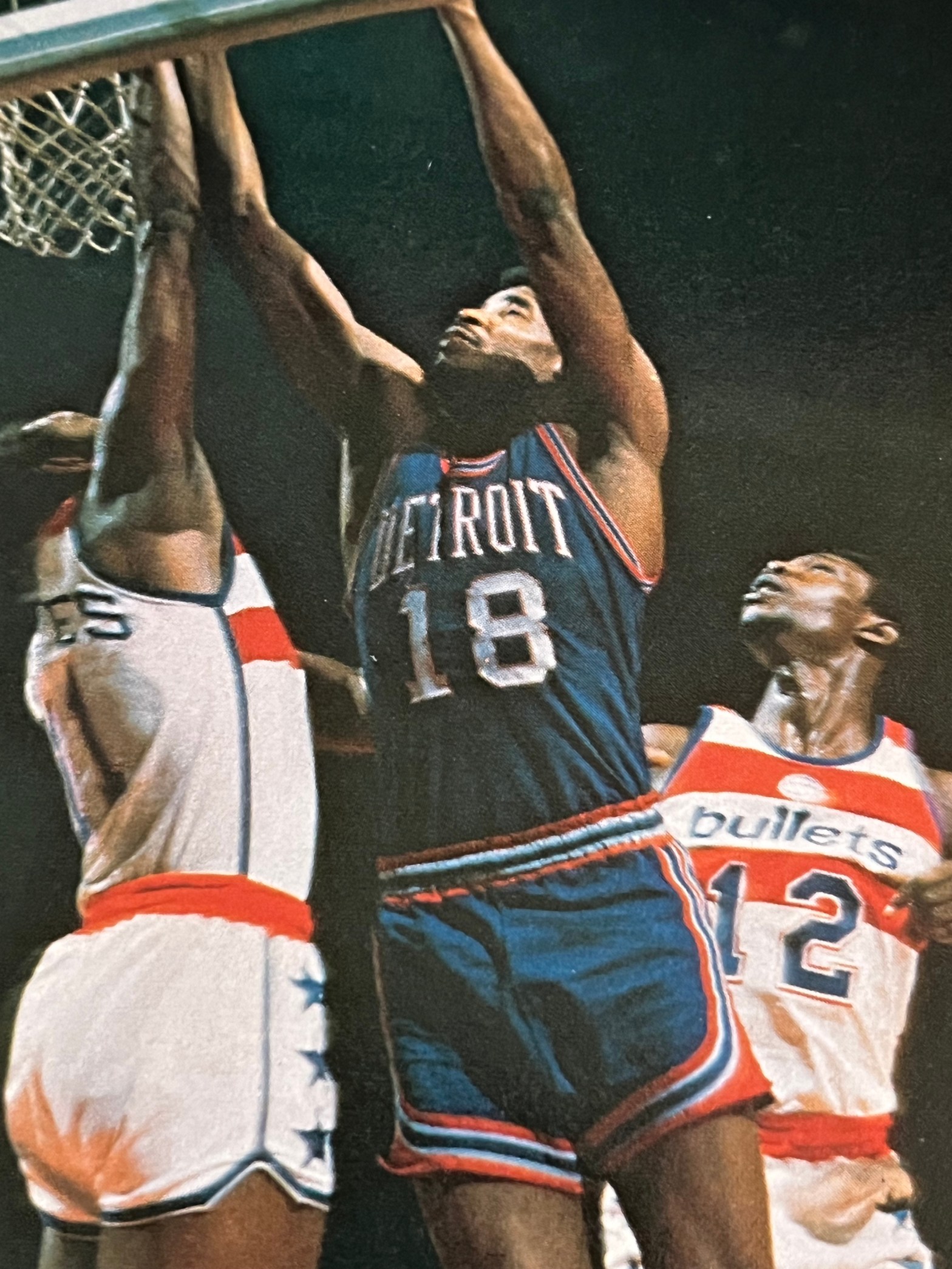
That “something more” that Rowe possesses is his adaptability, his willingness to play both ends of the floor, and his sense of perspective, both on and off the court.
Does Pro Basketball Have a Drug Problem? 1975
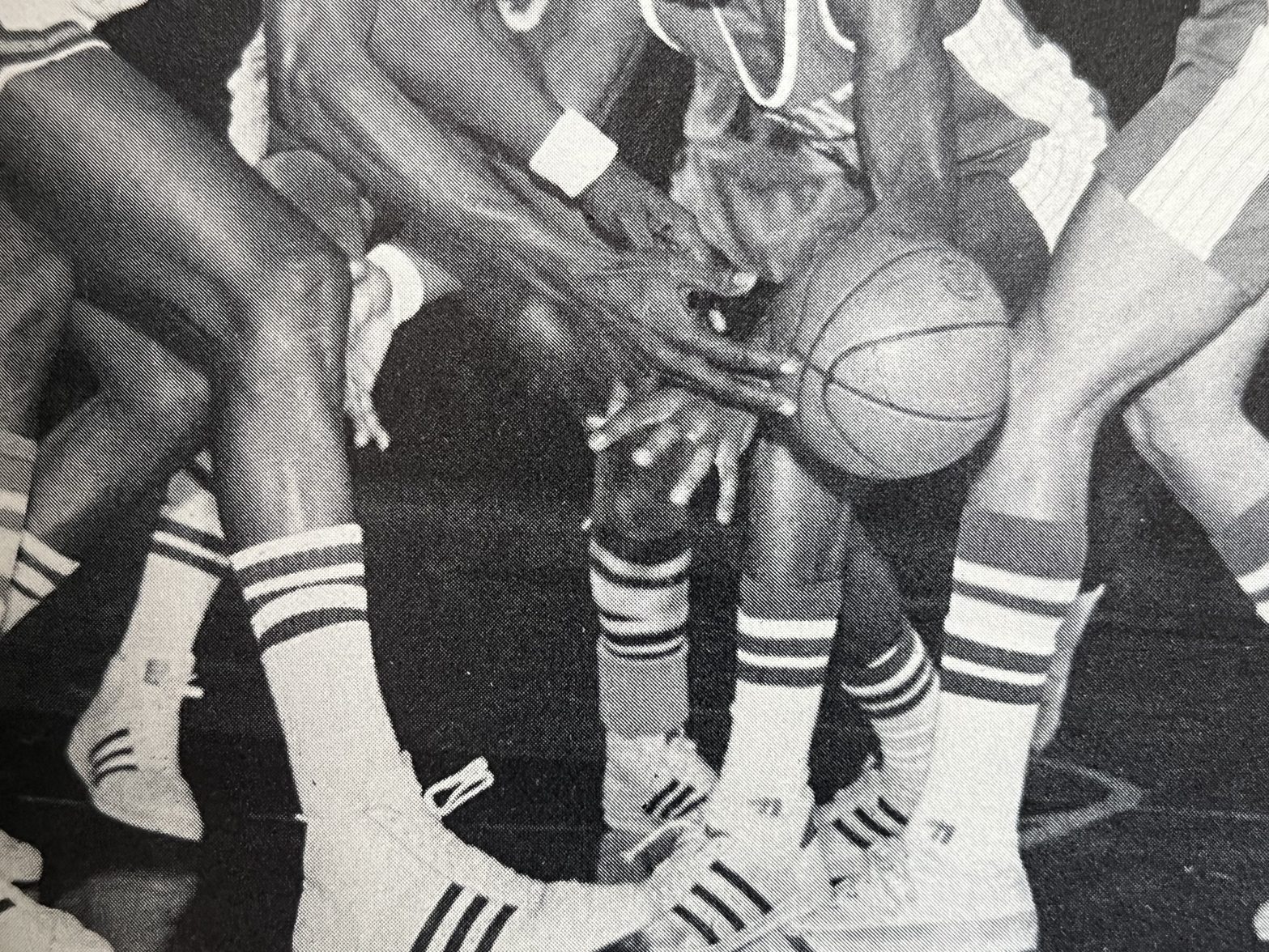
A former trainer in the ABA said, “I’d never be able to walk into a court of law and state that members of (my) team were taking drugs. But I do feel that drugs are more prominent than when I first started in the league in 1968.”
Jack Twyman: TV Hoopla, 1970
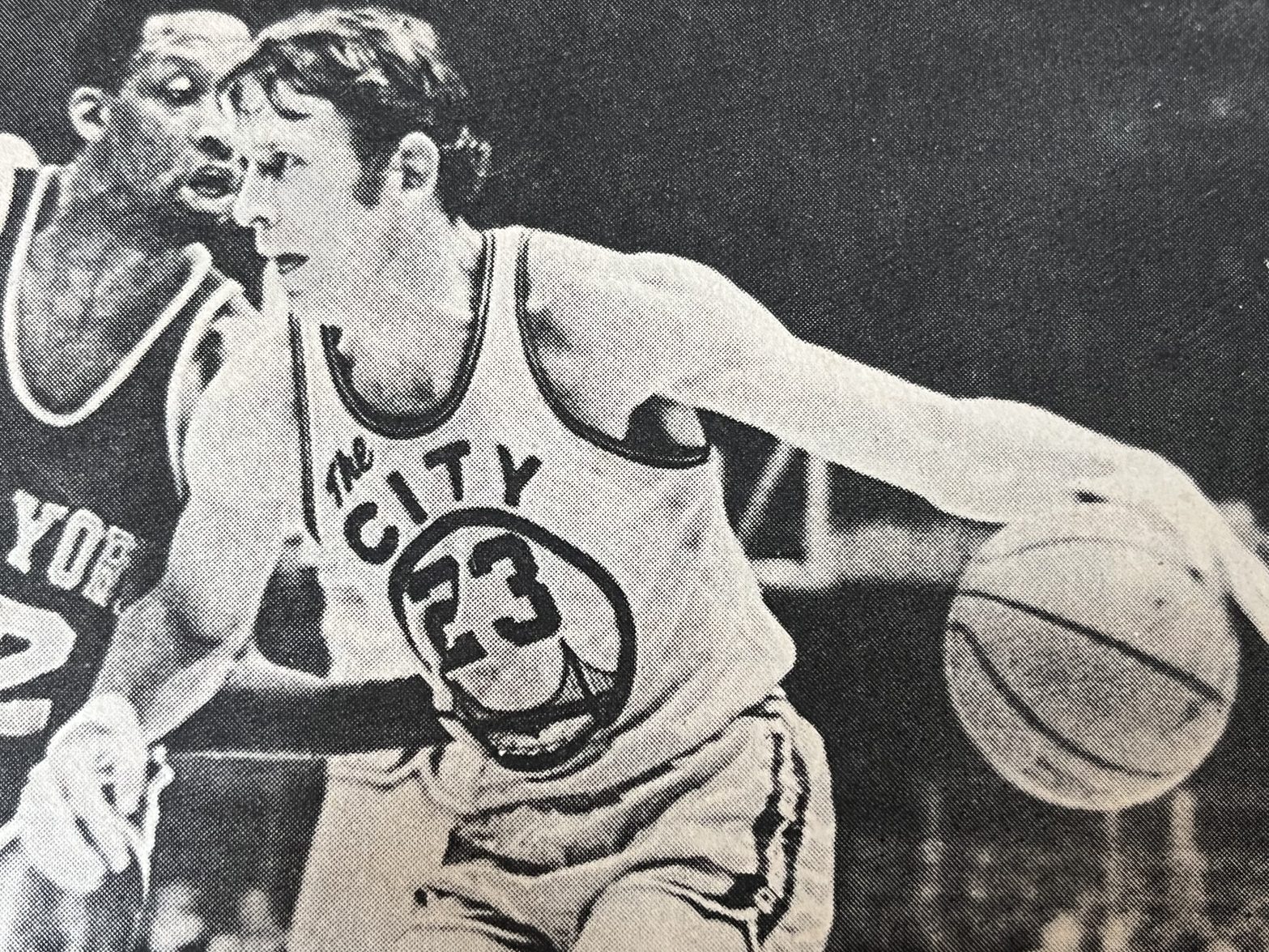
ABC and the NBA are currently working on a multiyear contract, primetime telecasts are more in evidence than ever before, the number of games televised each year increases, and the ratings are up. The NBA has come a long way.
Red Auerbach: The Aborted Interview, 1978
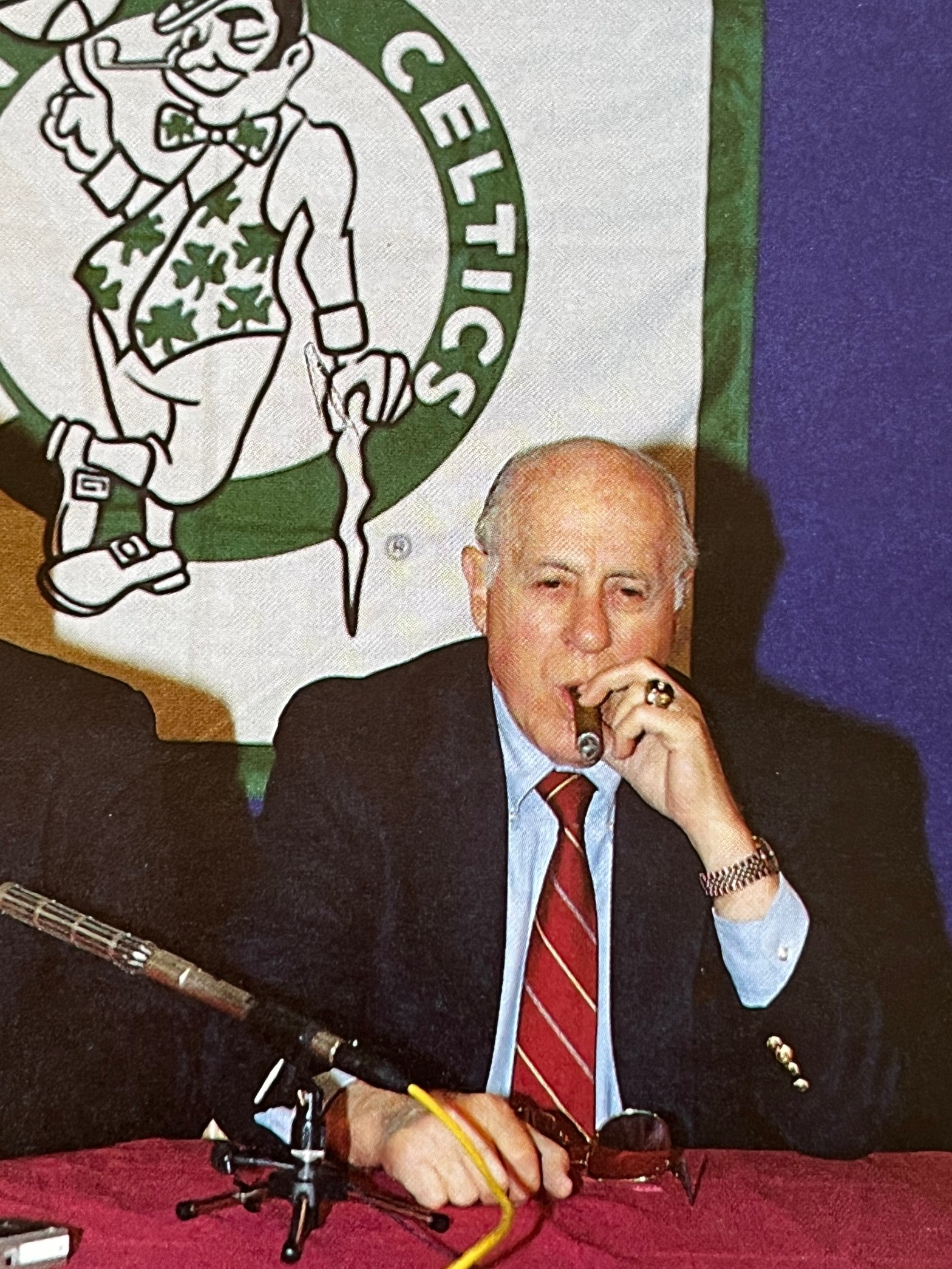
oday, people are playing ball with one eye looking up at dollar signs. They figure they cannot make it by playing defense and by being a sacrificing team player.
Three-Point Shot: Pro Basketball’s Big Bomb? 1971

Imagine the excitement in Madison Square Garden if one of the Knicks sank a three-point play in the closing minutes of a stretch-run game. It would be pandemonium.
 From Way Downtown